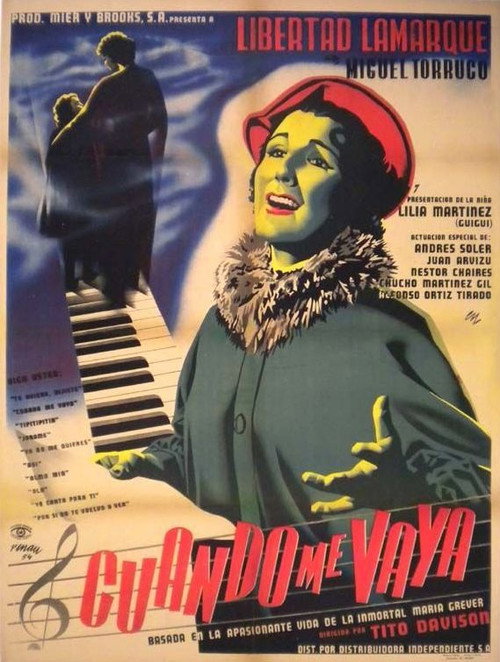
Cuando me vaya
1954
No user ratings available yet
Diversity score: 2.8 out of 10
No Poster Available
1957
Director
Tito Davison
Runtime
95 minutes
Average Rating
No ratings yetSynopsis
A great love story based on the idea and development of the famous monument that decorating Mexico City.
Overall Score
Limited
Category Breakdown
LGBTQ+ Representation
The film adheres to conventional 1950s romantic paradigms. There is no evidence of non-cisnormative identities or narratives that challenge heteronormativity.
Gender Representation
While the female lead is central, she often functions as a passive muse for a male sculptor. This structure risks defining her presence through male creative output.
Racial & Ethnic Diversity
As a Mexican production, the film offers a localized perspective that moves away from Hollywood-centric norms. It serves as a representation of Mexican cultural heritage.
Religious & Cultural Diversity
The narrative reinforces mid-century romantic ideals and traditional values. It lacks any significant critique of social structures or traditional institutions.
Disability Representation
The film contains no mention of characters navigating physical, sensory, or neurodivergent experiences.
Strengths
Areas for Improvement
AI Analysis
La Diana Cazadora is a romantic drama rooted in the cinematic conventions of the Golden Age of Mexican cinema. It centers on the inspiration behind a famous Mexico City monument, utilizing a biographical structure that emphasizes art and devotion. The film provides visibility for Mexican performers and centers a female figure, yet it remains tethered to traditional tropes. The female lead often occupies the role of a muse, which can limit her agency within the narrative hierarchy. Ultimately, the work functions as a period-specific celebration of romanticism. It reflects the social values of its era rather than attempting to subvert them or explore complex intersectional identities.
1954
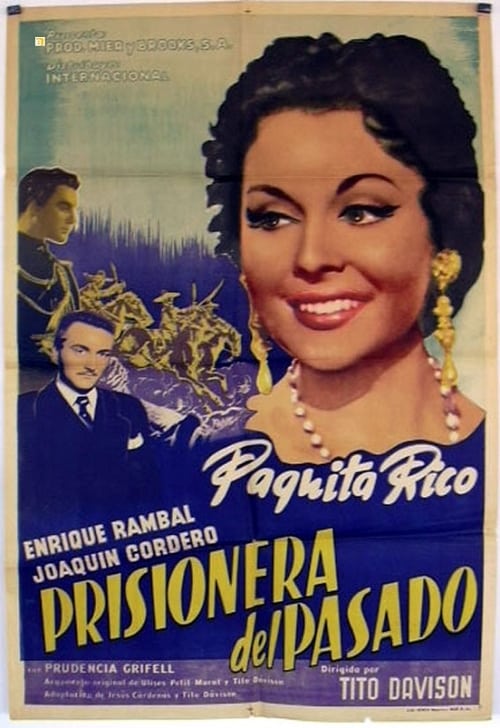
1954

1960
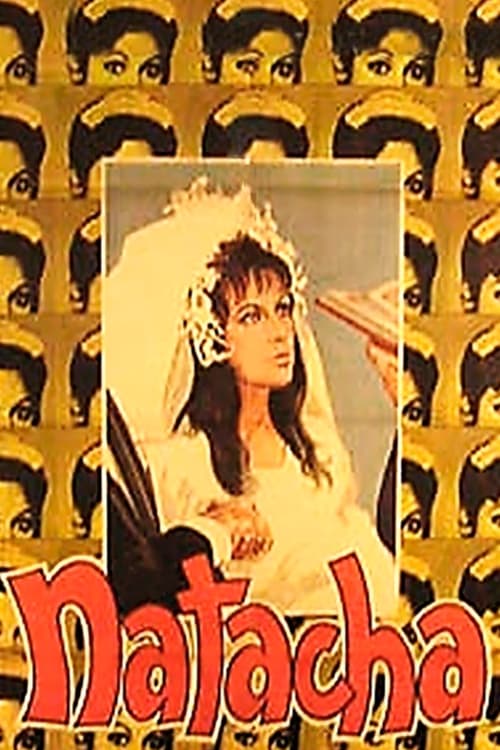
1971
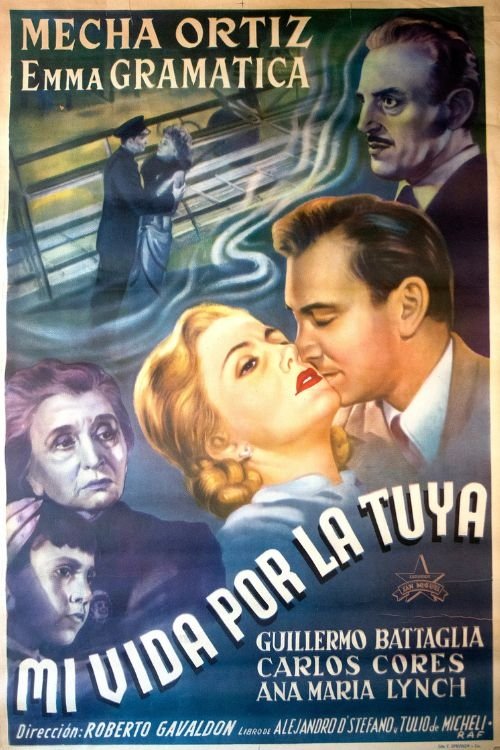
1951
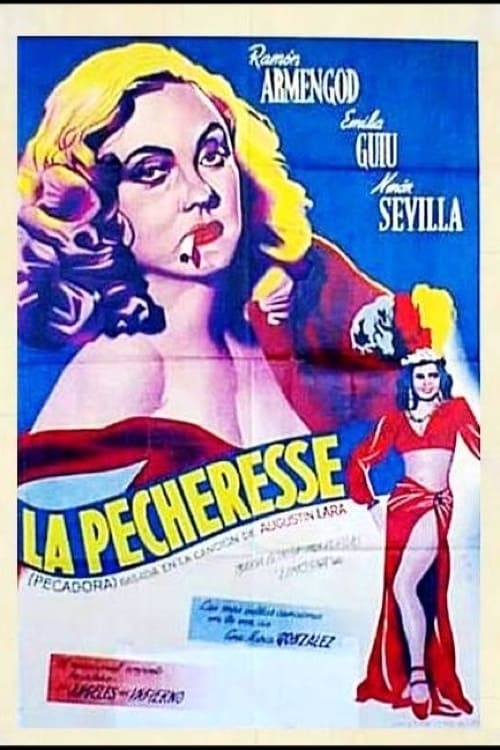
1947
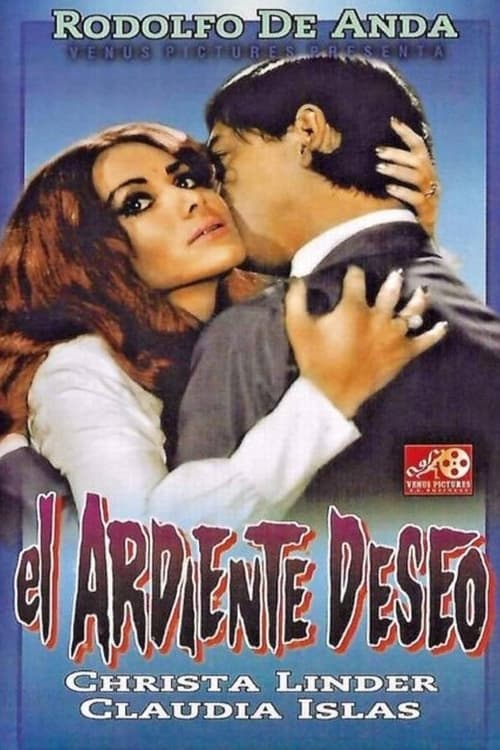
1971
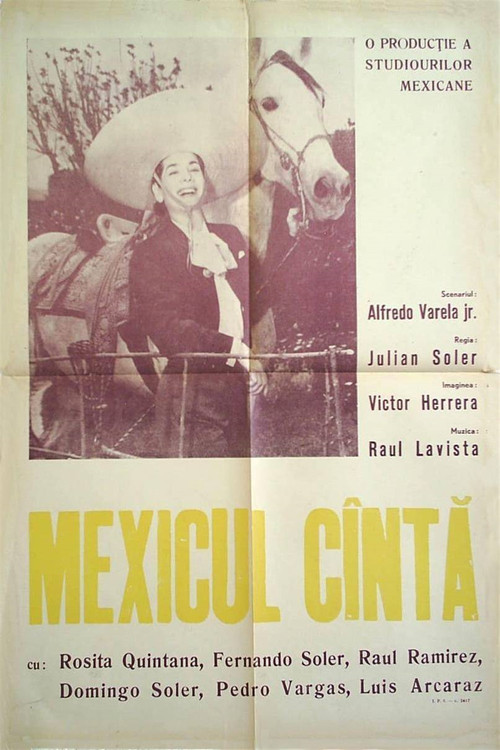
1958
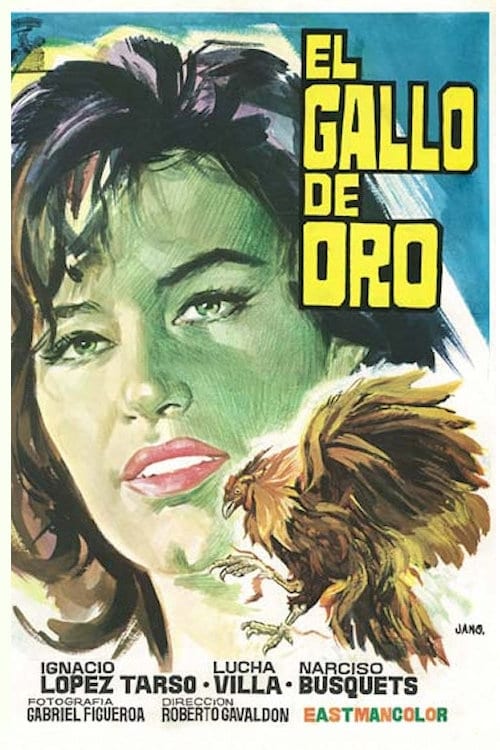
1964
1965
1968
1959
No reviews yet. Be the first to share your thoughts on this movie!
Use the rating form above to leave a star rating and optional review.