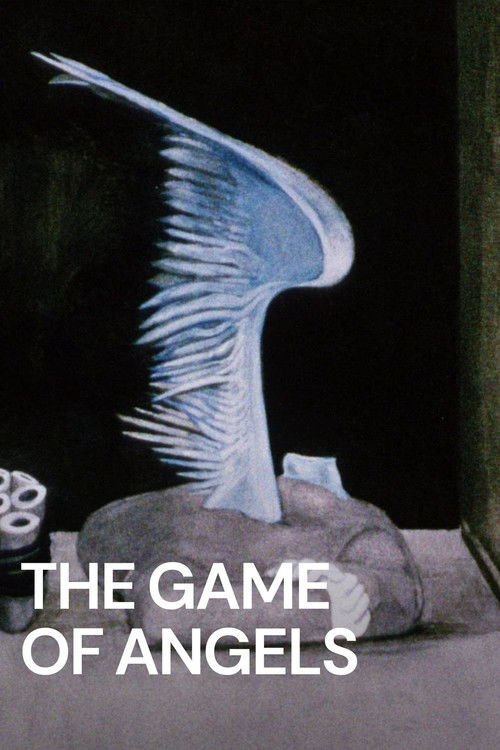
The Games of Angels
1967
No user ratings available yet
Representation score: 7.0 out of 10
Representation Score
Excellent
1976
Director
Péter Szoboszlay
Runtime
7 minutes
Average Rating
No ratings yetNew Showbiz Analysis
Péter Szoboszlay’s animation succeeds by prioritizing the chaotic landscape of the mind over traditional, orderly world-building. It uses surrealist imagery to explore deep-seated anxieties, moving beyond simple character studies into the realm of psychological realism. The film's strength lies in its sophisticated, postmodern approach to themes like nuclear fallout and systemic critique. It challenges the social and political certainties of its era through a stream-of-consciousness narrative. However, the work's heavy reliance on abstraction and allegory means it lacks explicit demographic markers. This makes it difficult to assess representation regarding specific identities, such as race or sexual orientation.
Category Breakdown
The film's abstract and allegorical nature makes it hard to confirm or deny specific non-straight identities. The score serves as a neutral baseline for this non-specific content.
By focusing on internal psychological states like paranoia rather than domestic dynamics, the film avoids traditional gendered roles. However, the lack of specific character's ability to drive the story limits deeper analysis.
The use of symbolic imagery in an internalized space avoids common racialized storytelling clichés. While it moves away from typical racial representations, specific instances of diverse casting remain unverified.
The film offers high thematic density through its critique of geopolitical structures and nuclear fallout. It prioritizes subjective experience over traditional Western institutions.
The work provides a nuanced portrayal of neurodivergence by centering the narrative on a fractured psychological state. It treats mental instability as a primary lens rather than a mere plot device.
Present on Screen
Limited or Absent
Official Synopsis
Set in the allegorical space of an abandoned room, a frustrated mind feels the distorting effects of aggression and paranoia—including visions of butterflies, the Mona Lisa, and nuclear fallout.
1967
1988
1963
2001
1969
1983
1958

1957
No reviews yet. Be the first to share your thoughts on this movie!
Use the rating form above to leave a star rating and optional review.