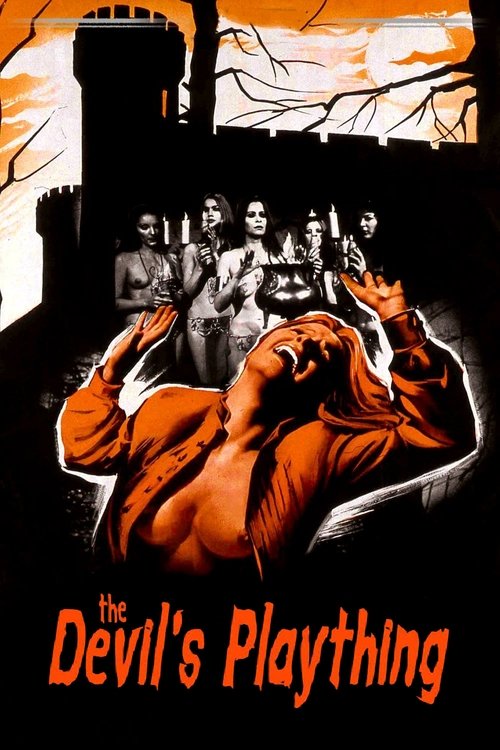
The Devil's Plaything
1973
No user ratings available yet
Representation score: 5.1 out of 10
Representation Score
Fair
1960
Director
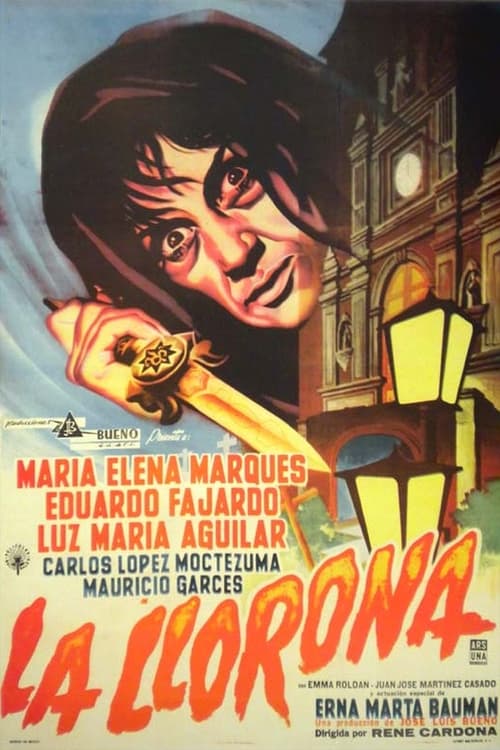
René Cardona
Runtime
75 minutes
Average Rating
No ratings yetNew Showbiz Analysis
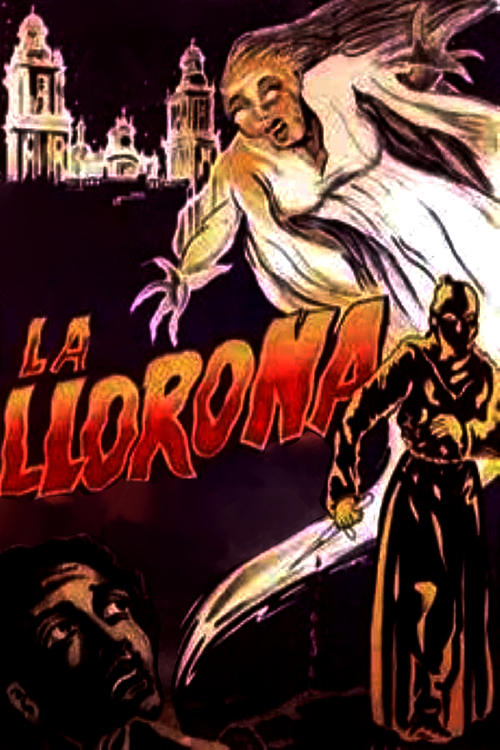
The film is a culturally significant piece of Mexican genre cinema that excels in ethnic specificity. By centering local folklore and a Mexican cast, it provides a strong alternative to Hollywood-centric storytelling. However, the narrative remains bound by the social and religious hierarchies of its time. The female lead, while powerful, operates within traditional archetypes of motherhood and romantic tragedy, which limits her ability to challenge gender norms. Ultimately, while the film offers high racial and ethnic authenticity, it lacks diversity in terms of LGBTQ+ representation, disability, and secular cultural perspectives.
Category Breakdown
The film follows the traditional structures typical of 1960s Mexican cinema. There is no depiction of same-sex relationships or non-binary gender identities.
The protagonist drives the supernatural conflict through vengeance, yet her characterization relies on the 'grieving mother' cliché. She has little control over her fate outside of traditional roles.
The film provides a culturally authentic experience by centering Mexican legends and using a predominantly local cast. This avoids the whitewashing often seen in Western imports.
The narrative relies heavily on traditional Catholic imagery and superstitions. It uses religious dread as an atmospheric tool without engaging in deeper critiques.
There is no significant portrayal of neurodivergence or physical disabilities. The supernatural elements focus on spectral themes rather than addressing lived experiences.
Present on Screen
Limited or Absent
Official Synopsis
A woman takes revenge in the family of her lover.
1973
1943
1962

1963
1965
1933
1965

1945
No reviews yet. Be the first to share your thoughts on this movie!
Use the rating form above to leave a star rating and optional review.