Ecstasy
1933
No user ratings available yet
Diversity score: 3.9 out of 10
1918
Director
Yevgeni Slavinsky, Vladimir Mayakovsky
Runtime
44 minutes
Average Rating
No ratings yetSynopsis
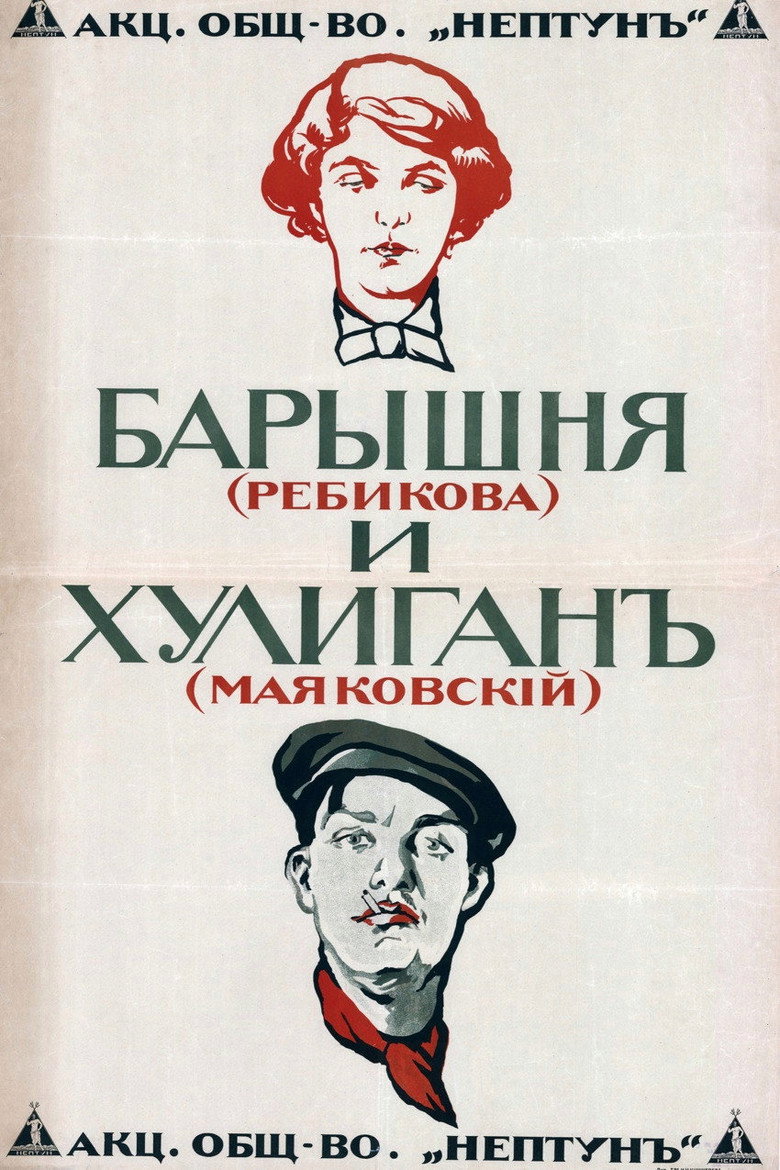
A young woman arrives in her school where she must teach for the first time. Her task consists in teaching a class of adults to read and write. All her students are male, ranging from boys to old men, and they are rather rowdy and difficult. All the more as a young hooligan dares write her on a test paper that he loves her. Feeling harassed by the young man, she is defended by other students. But she more or less feels the young bad boy's love is true and when this one is lying on his dying bed, after being stabbed by the other students, she solaces him by kissing him tenderly.
Overall Score
Fair
Category Breakdown
LGBTQ+ Representation
The film lacks evidence of LGBTQ+ characters or non-cisnormative identities. The central romantic tension is framed through a traditional heterosexual lens between the teacher and the hooligan.
Gender Representation
A woman holds intellectual authority as a teacher in a male-dominated classroom. While the romance uses traditional tropes, the protagonist maintains agency and moral autonomy throughout the story.
Racial & Ethnic Diversity
The narrative focuses on domestic class and social dynamics within 1918 Russia. There is no evidence of multi-ethnic casting or diverse racial identities in the provided material.
Religious & Cultural Diversity
The film subverts social norms by romanticizing a 'hooligan' rather than punishing him. This suggests a critique of rigid institutional morality during a period of intense systemic upheaval.
Disability Representation
There is no mention of characters with physical or neurodivergent disabilities. The male lead's stabbing serves as a plot device for emotional resolution rather than a study of disability.
Strengths
Areas for Improvement
AI Analysis
The film succeeds in subverting traditional social hierarchies by placing a female educator in a position of authority over a rowdy group of men. The involvement of Vladimir Mayakovsky further suggests a creative intent to challenge established social structures through an avant-garde lens. However, the work remains limited by its historical context, offering no representation of racial, ethnic, or LGBTQ+ identities. The narrative focus is strictly on the interpersonal and class-based tensions of the era. Ultimately, the film is a transitional piece. It trades broad demographic diversity for a meaningful critique of institutional morality and gendered power dynamics.
1933
1951
1927
1924
1956

1991
1976

2008

1916
1917

2005
1938
No reviews yet. Be the first to share your thoughts on this movie!
Use the rating form above to leave a star rating and optional review.