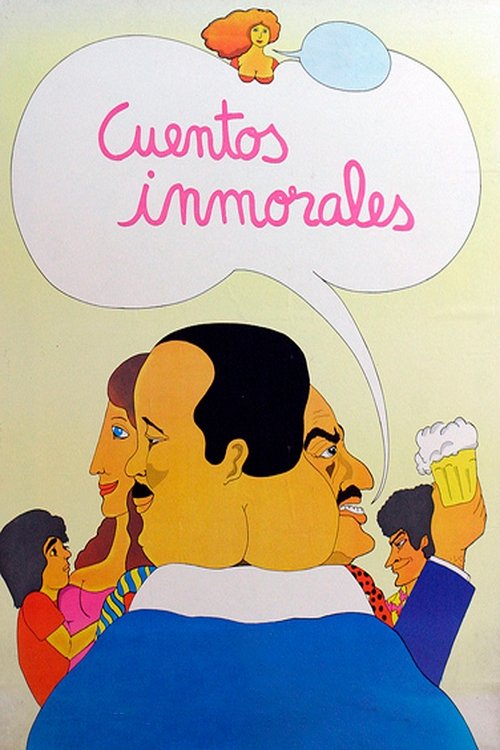
Cuentos inmorales
1978
No user ratings available yet
Representation score: 5.3 out of 10
Representation Score
Limited
1975
RDirector
Mario Vargas Llosa, José María Gutiérrez Santos
Runtime
100 minutes
Average Rating
No ratings yetNew Showbiz Analysis
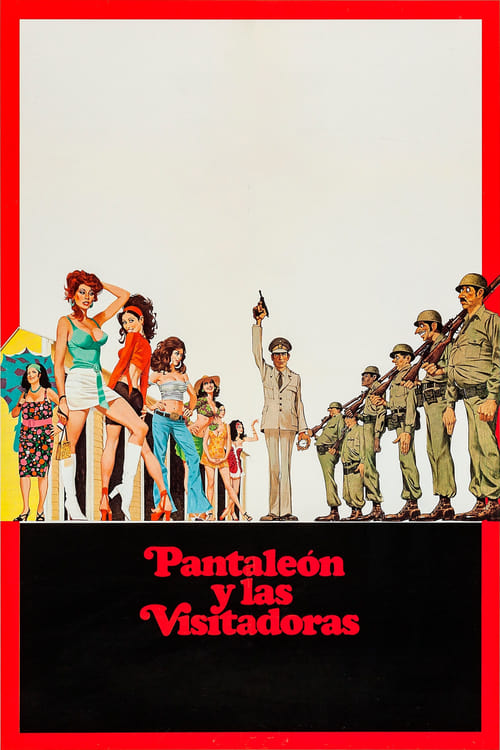
Pantaleón y las visitadoras examines institutional bureaucracy and the management of human ability to act. It succeeds in providing a culturally specific South American perspective, using local talent to ground the story in its regional setting. However, the film struggles with progressive representation. Women are portrayed as functional components of a military machine rather than independent characters, creating a transactional atmosphere that limits their roles. Ultimately, the film's strength lies in its critique of authority, exposing systemic dysfunction and moral compromises inherent in maintaining rigid hierarchies.
Category Breakdown
The film focuses on traditional heterosexual relationships and lacks any representation of non-binary gender identities. It operates within a framework that assumes everyone is straight and cisgender.
The film features a hierarchical structure where women are used to boost troop morale rather than having independent roles. Men hold the primary positions of power and decision-making.
The film showcases regional authenticity by featuring a predominantly Peruvian cast and setting. It avoids a Eurocentric perspective by centering a South American viewpoint.
The film critiques state-sanctioned institutions by highlighting the absurdity of military bureaucracy. It portrays these institutions as systems that prioritize efficiency over conventional morality.
There is no significant portrayal of physical or neurodivergent disabilities within the film.
Present on Screen
Limited or Absent
Official Synopsis
Pantaleón and the visitors is a peruvian film made in 1975 and based on the book of the same name by Mario Vargas Llosa. Directed by the novelist himself along with José María Gutiérrez Santos, it was released in Puerto Rico. Among its protagonists, José Sacristán, the Mexican Katy Jurado and Rosa Carmina and the Peruvian Camucha Negrete.
1978
1950
1975
1988
2001
1948
1975
1972
No reviews yet. Be the first to share your thoughts on this movie!
Use the rating form above to leave a star rating and optional review.