
El notificador
2012
No user ratings available yet
Representation score: 5.5 out of 10

Representation Score
Fair
1990
Director
Miguel M. Delgado
Runtime
90 minutes
Average Rating
No ratings yetNew Showbiz Analysis
The film functions as a localized comedy that uses situational irony to question the infallibility of the clergy. It finds its strength in challenging traditional religious authority through a lens of human error and secularism. However, the narrative appears heavily centered on male perspectives and traditional social frameworks. The lack of visible multi-layered ability to act or diverse identity-driven storytelling keeps the film within a conventional comedic structure. Ultimately, while it offers a moderate critique of institutional power, it remains anchored in traditional storytelling without significant representation of underrepresented groups.
Category Breakdown
The film does not include any LGBTQ+ characters or narratives. The story revolves around a religious figure and a small town, which usually follow conventional social structures.
The plot centers on a male priest and his spiritual visions. There is no indication of female characters having high ability to act or subverting traditional gender hierarchies.
As a Spanish-language production, the film centers non-Anglo-Saxon identities. The small-town setting suggests a localized, non-Western perspective, though specific multi-layered depth is unconfirmed.
The narrative challenges religious authority by suggesting a priest's vision might be caused by intoxication. This introduces moral relativism and humanizes sacred figures through fallibility.
There is no information available regarding the depiction of physical or neurodivergent characters in this film.
Present on Screen
Limited or Absent
Official Synopsis
The casual, fun-loving naughtiness of a small town is interrupted when the local priest has an 'end of the world' visitation from Saint Anthony. Or maybe he was just drunk and imagined the whole thing.
2012
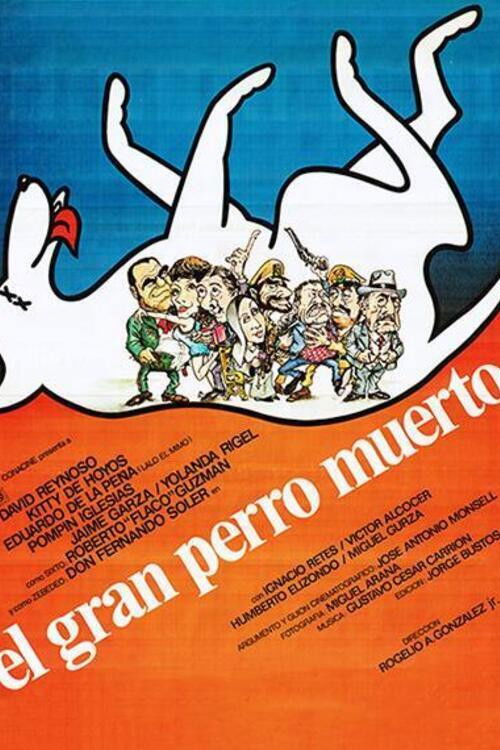
1981
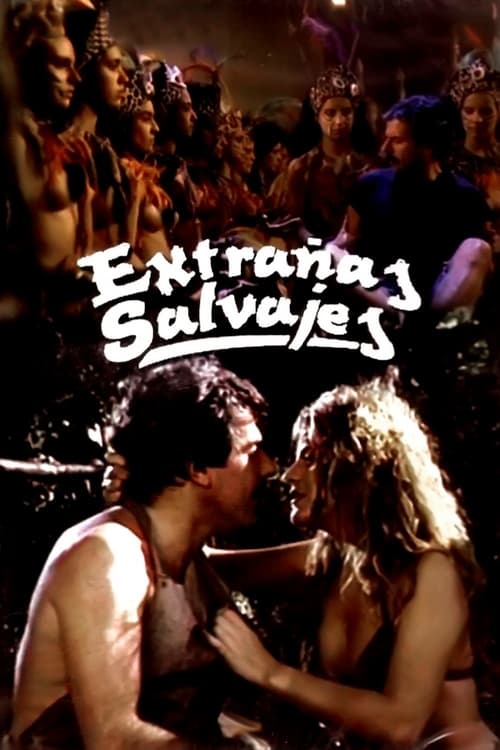
1988
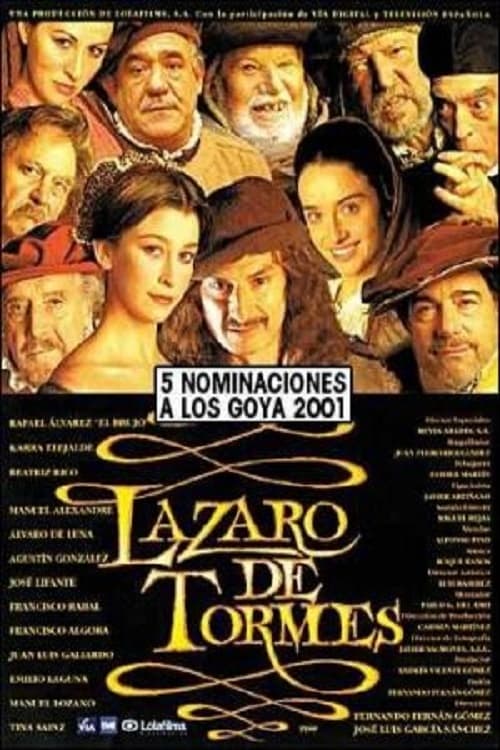
2001
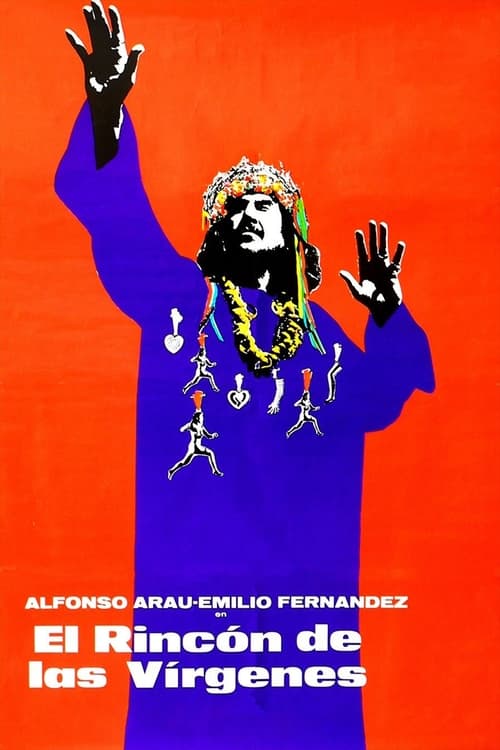
1972
1981
1948

2017
No reviews yet. Be the first to share your thoughts on this movie!
Use the rating form above to leave a star rating and optional review.