
Dear Zachary: A Letter to a Son About His Father
2008
No user ratings available yet
Representation score: 4.7 out of 10
Representation Score
Limited
2021
TV-MADirector
Fredrick Munk
Runtime
83 minutes
Average Rating
No ratings yetNew Showbiz Analysis
The documentary delves into the conflict between institutional justice and personal vengeance after the death of Crystal Theobald. It emphasizes the use of social media as a tool for grassroots activism. While the film centers on a female victim, its scope is limited to the family's struggle. The narrative's strength lies in its critique of systemic issues, but it does not explore a wide range of diverse identities. Ultimately, the film studies the emotional impact and modern methods of seeking justice outside traditional law enforcement.
Category Breakdown
The film does not include any characters or themes related to LGBTQ+ identities.
The story focuses on the emotional journey of Crystal Theobald and her family after her death. It shifts the usual male-dominated perspective of crime procedurals.
The narrative examines a family's efforts to seek justice outside traditional legal channels, reflecting the struggles of underrepresented communities.
The documentary highlights how a family uses social media to pursue justice, challenging the dominance of state-sanctioned institutions.
There is no mention of neurodivergence or physical disabilities in the provided context.
Present on Screen
Limited or Absent
Official Synopsis
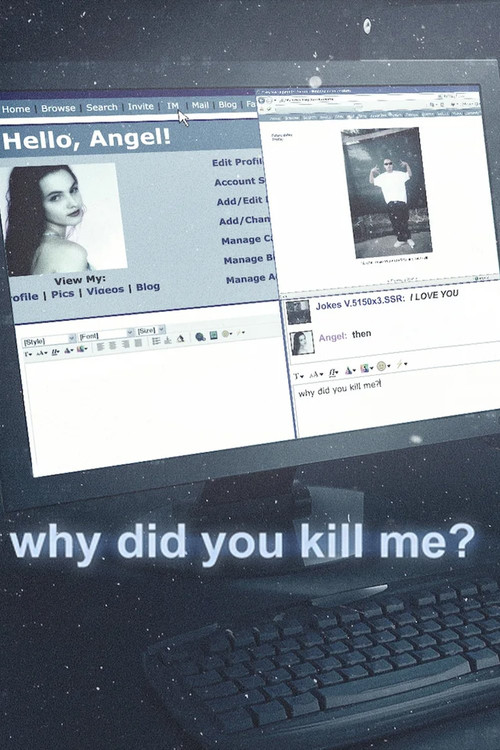
The line between justice and revenge blurs when a devastated family uses social media to track down the people who killed 24-year-old Crystal Theobald.
2008
2000
2017

2020
1996
2012
2020
1988
No reviews yet. Be the first to share your thoughts on this movie!
Use the rating form above to leave a star rating and optional review.