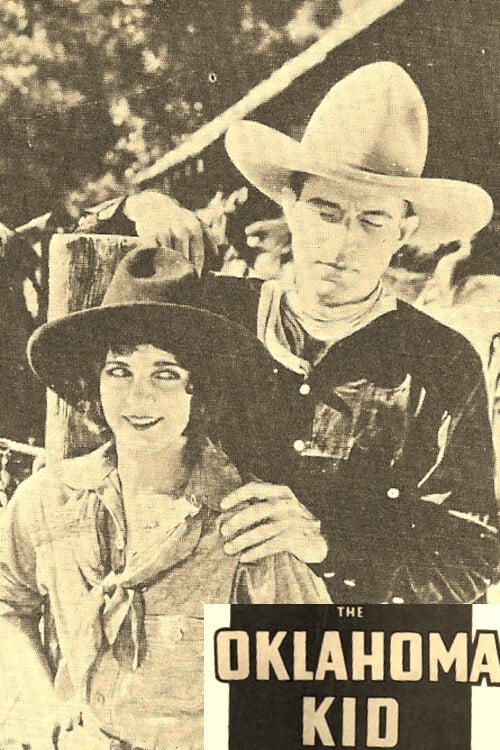
The Oklahoma Kid
1929
No user ratings available yet
Diversity score: 2.6 out of 10

1954
NRDirector
Michael Curtiz
Runtime
87 minutes
Average Rating
No ratings yetSynopsis
A town despot makes a guileless patsy the sheriff, lives to regret it.
Overall Score
Limited
Category Breakdown
LGBTQ+ Representation
The film operates within a strictly heteronormative framework. There is no discernible presence of queer subtext or non-cisnormative identities.
Gender Representation
Narrative agency is concentrated almost exclusively in the male protagonist. Female characters occupy secondary, supportive, or domestic roles consistent with mid-century hierarchies.
Racial & Ethnic Diversity
The cast is predominantly white and Anglo-Saxon. The film reinforces the era's standard depiction of the American frontier as a white-dominated space.
Religious & Cultural Diversity
The story adheres to conventional Western tropes regarding frontier law. It functions within established institutions rather than offering a systemic critique of power.
Disability Representation
There is no representation of neurodivergence or physical disabilities. Characters are defined by the physical capability standard to action-oriented Westerns.
Strengths
Areas for Improvement
AI Analysis
The Boy from Oklahoma is a quintessential mid-century Western that prioritizes traditional social hierarchies. It functions as a reinforcement of the era's dominant norms rather than a disruption of them. The film centers on white, masculine agency and individual heroism. It lacks intersectional perspectives, offering a narrative structure that adheres strictly to the established storytelling frameworks of the 1950s studio system. Ultimately, the production reflects the demographic homogeneity and gendered roles common to the genre during this period.
1929

1939
1946
1950
1951

1960
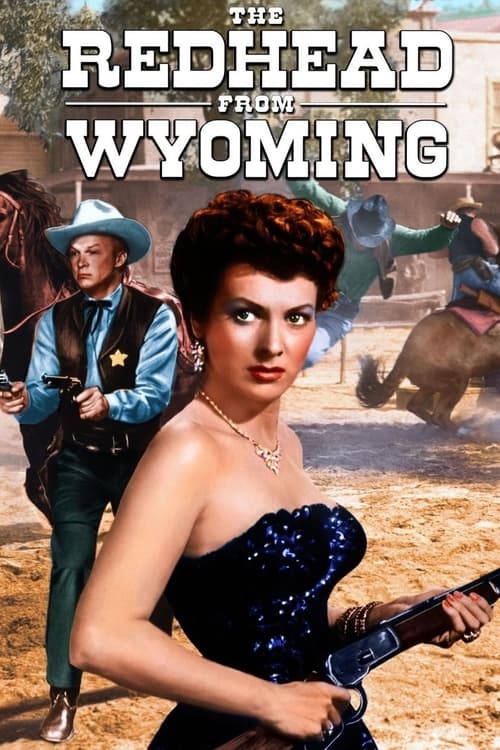
1953
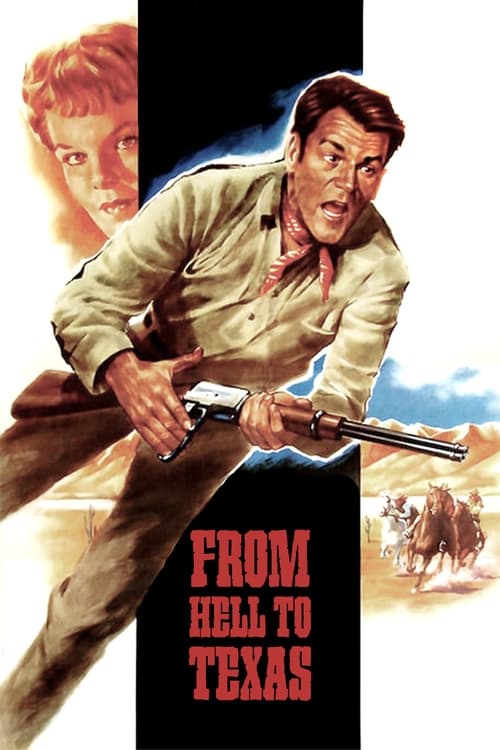
1958
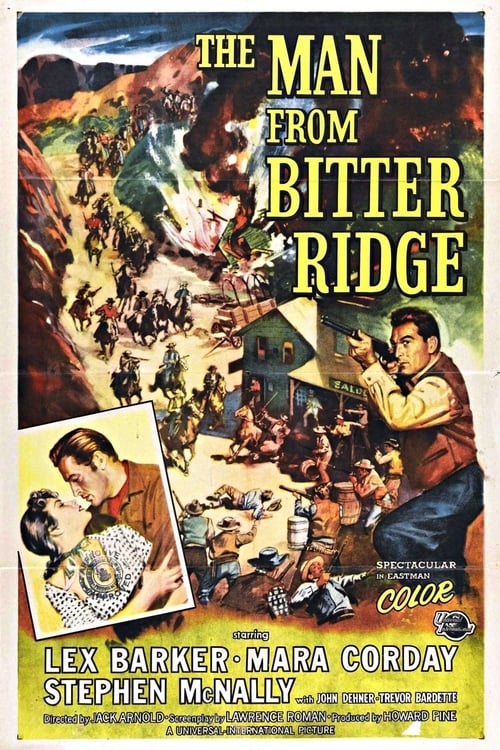
1955
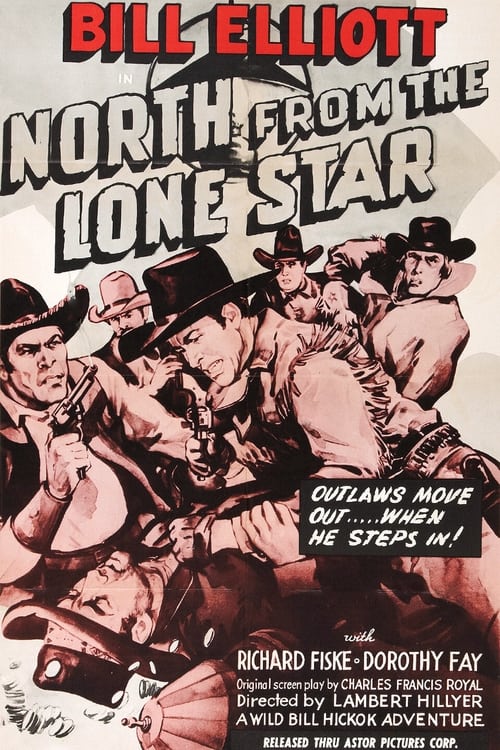
1941
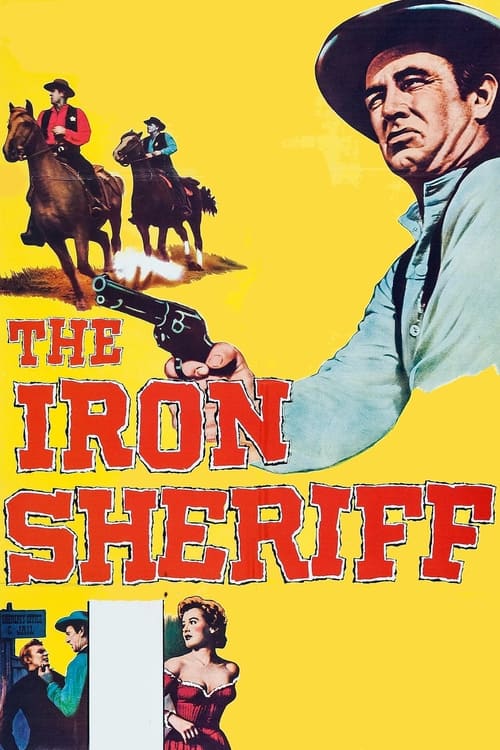
1957
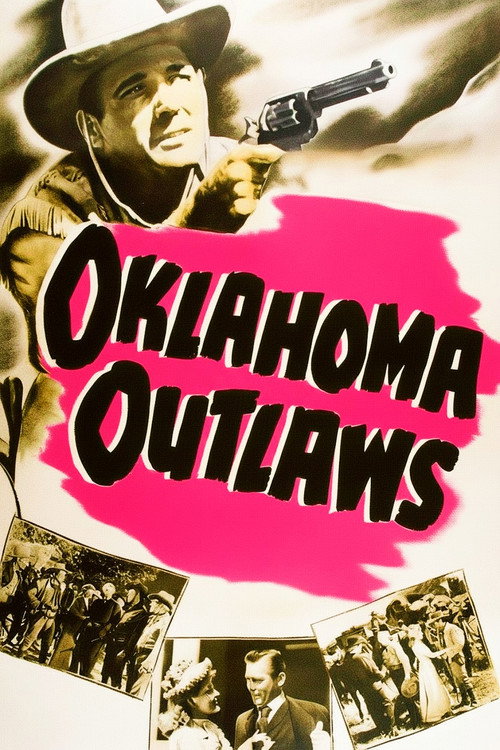
1943
No reviews yet. Be the first to share your thoughts on this movie!
Use the rating form above to leave a star rating and optional review.