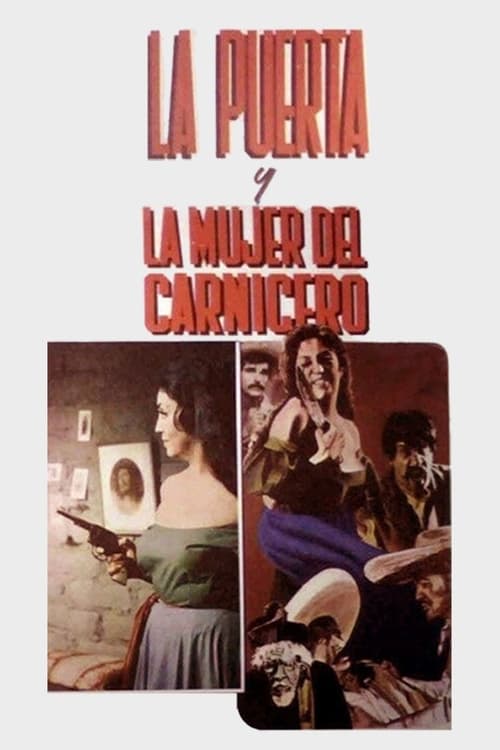
The Door and the Butcher's Wife
1969
No user ratings available yet
Diversity score: 5.2 out of 10
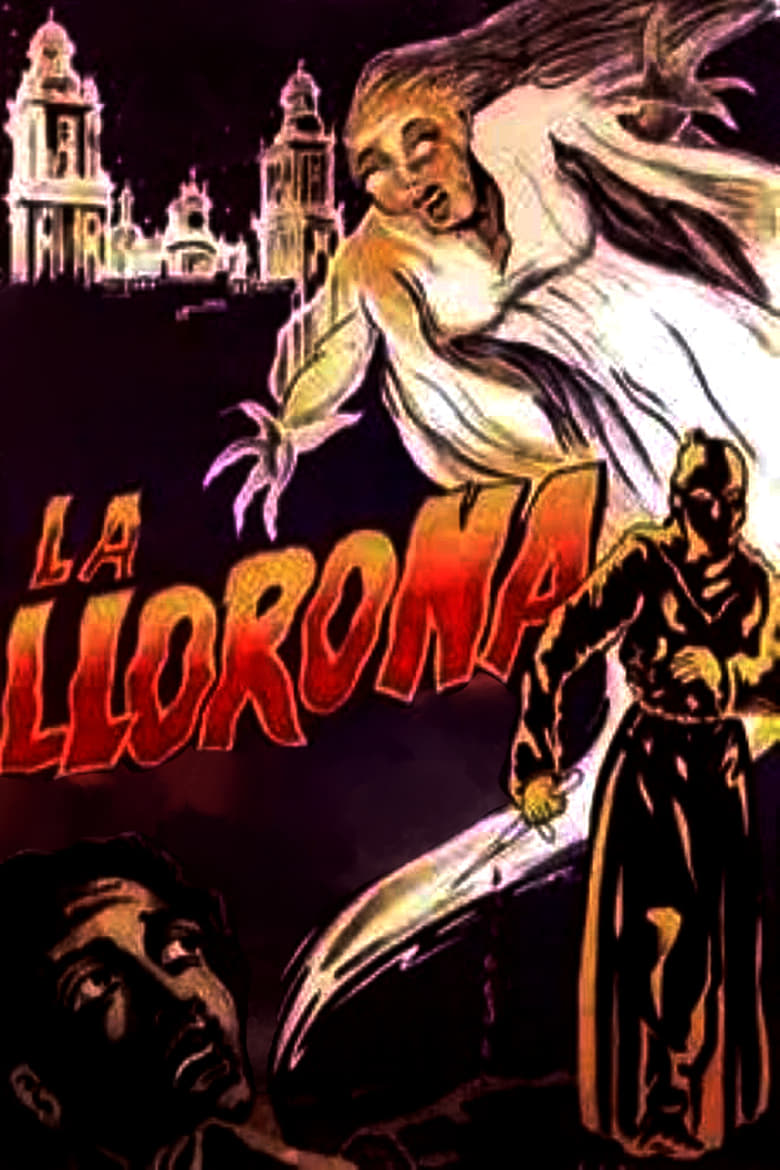
1933
Director
Ramón Peón
Runtime
73 minutes
Average Rating
No ratings yetSynopsis
In modern Mexico, a malevolent spirit targets a family, linking tragic past events of abandoned, infanticidal mothers to a possessed intruder's attempt to sacrifice their son.
Overall Score
Fair
Category Breakdown
LGBTQ+ Representation
The film lacks any evidence of non-cisnormative identities or same-sex narratives. It focuses strictly on a traditional maternal archetype.
Gender Representation
While the narrative centers on a female figure, she is defined by punitive gender roles. The story reinforces tragic tropes of maternal failure rather than subverting hierarchies.
Racial & Ethnic Diversity
The production asserts a non-Anglo-Saxon identity by centering Mexican folklore. It serves as a significant artifact for preserving indigenous-rooted mythology on screen.
Religious & Cultural Diversity
The film prioritizes local mythos over Western-centric structures. However, it operates within the traditional framework of folk legend without explicit secularist themes.
Disability Representation
There is no documented evidence regarding the portrayal of physical or neurodivergent disabilities in this production.
Strengths
Areas for Improvement
AI Analysis
The film is a vital cultural artifact that elevates Mexican folklore to the cinematic screen. By centering the Llorona legend, it asserts a distinct national identity and preserves indigenous-rooted mythology. However, the work is constrained by the era's traditional archetypes. The female lead is defined by tragic, punitive roles associated with motherhood, which limits the depth of gender representation. Ultimately, the film's strength lies in its ethnic centering, while its score is tempered by a lack of modern intersectional complexities and diverse identity portrayals.
1969

2006

1989
1981

1993

1945
1946
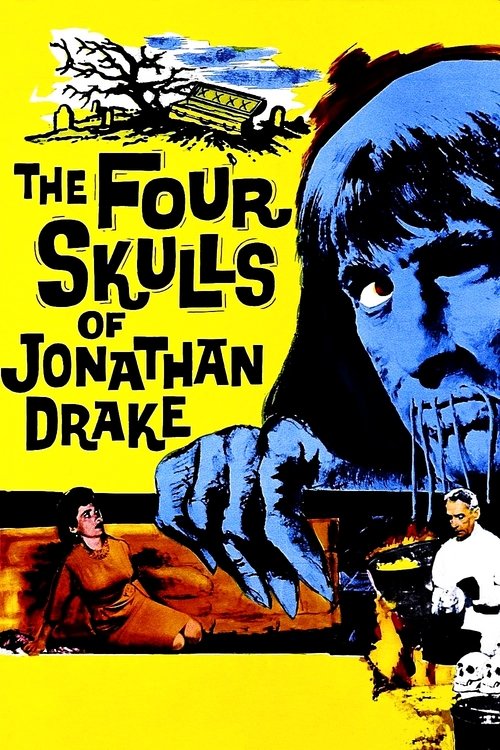
1959
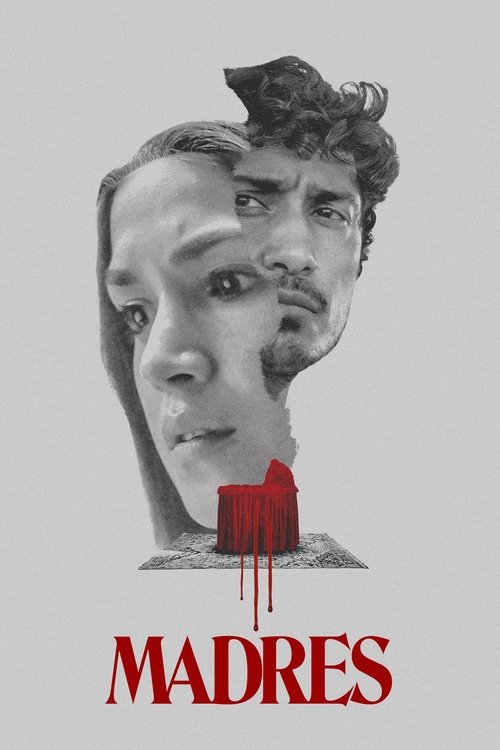
2021
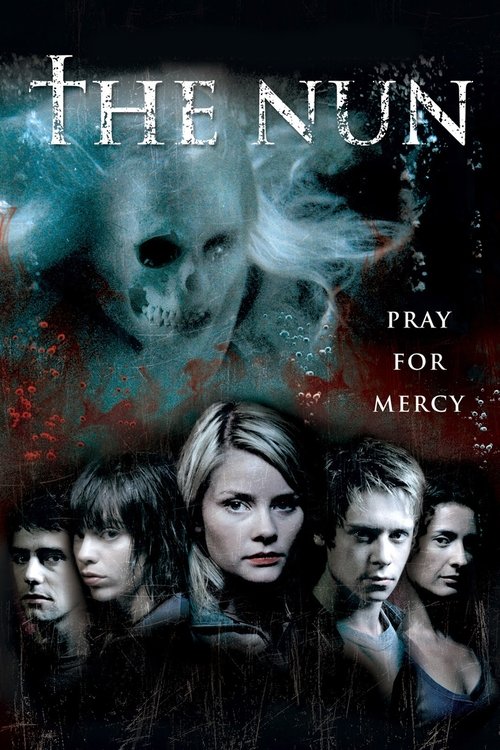
2005

1960

2017
No reviews yet. Be the first to share your thoughts on this movie!
Use the rating form above to leave a star rating and optional review.