Terror-Creatures from the Grave
1965
No user ratings available yet
Representation score: 1.4 out of 10
Representation Score
Minimal
1959
ApprovedDirector
Edward L. Cahn
Runtime
70 minutes
Average Rating
No ratings yetNew Showbiz Analysis
The film is a traditional mid-century horror movie that relies on the genre conventions of its time. Its narrative structure revolves around a patriarchal lineage and a Western protagonist facing an external supernatural threat. Although the inclusion of the Jivaro Indians adds some ethnic variety, their depiction serves mainly as a plot device to generate tension rather than as fully developed characters. Overall, the film lacks the intention to challenge social hierarchies and remains a product of its era, prioritizing suspense over diverse representation.
Category Breakdown
The film does not include any visible LGBTQ+ characters or identities that challenge traditional norms. It follows the genre conventions of the 1950s.
The story focuses on a male-driven curse and a patriarchal family line. There is no indication of female empowerment or challenges to male authority.
The Jivaro Indians are portrayed as a source of supernatural danger. This framing treats indigenous culture as an 'othered' element of fear.
The narrative presents the threat as coming from outside Western traditions. It adheres to the moral frameworks typical of mid-century Western storytelling.
There is no information about the portrayal of physical or neurodivergent disabilities in this film.
Present on Screen
Limited or Absent
Official Synopsis
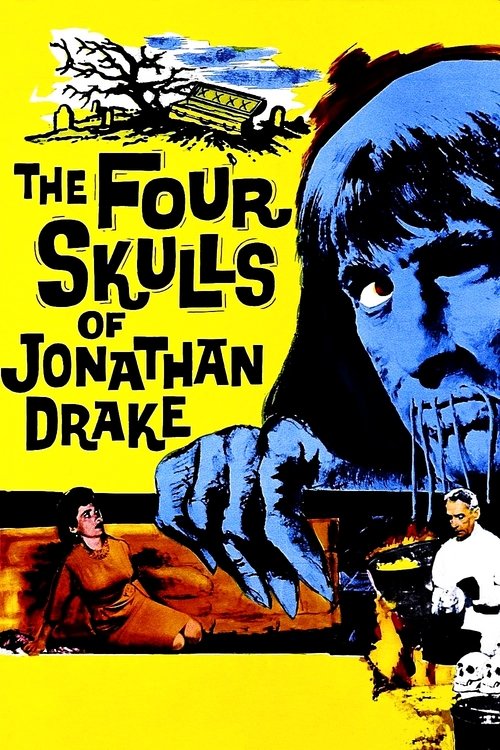
Jonathan Drake, while attending his brother's funeral, is shocked to find the head of the deceased is missing. When his brother's skull shows up later in a locked cabinet, Drake realizes an ancient curse placed upon his grandfather by a tribe of South American Jivaro Indians is still in effect and that he himself is the probable next victim.
1965
2000
1968
1961

1989
1943
1933
1959
No reviews yet. Be the first to share your thoughts on this movie!
Use the rating form above to leave a star rating and optional review.