
Maya
1989
No user ratings available yet
Diversity score: 4.4 out of 10
1969
Director
Chano Urueta, Luis Alcoriza, Ismael Rodríguez
Runtime
82 minutes
Average Rating
No ratings yetSynopsis
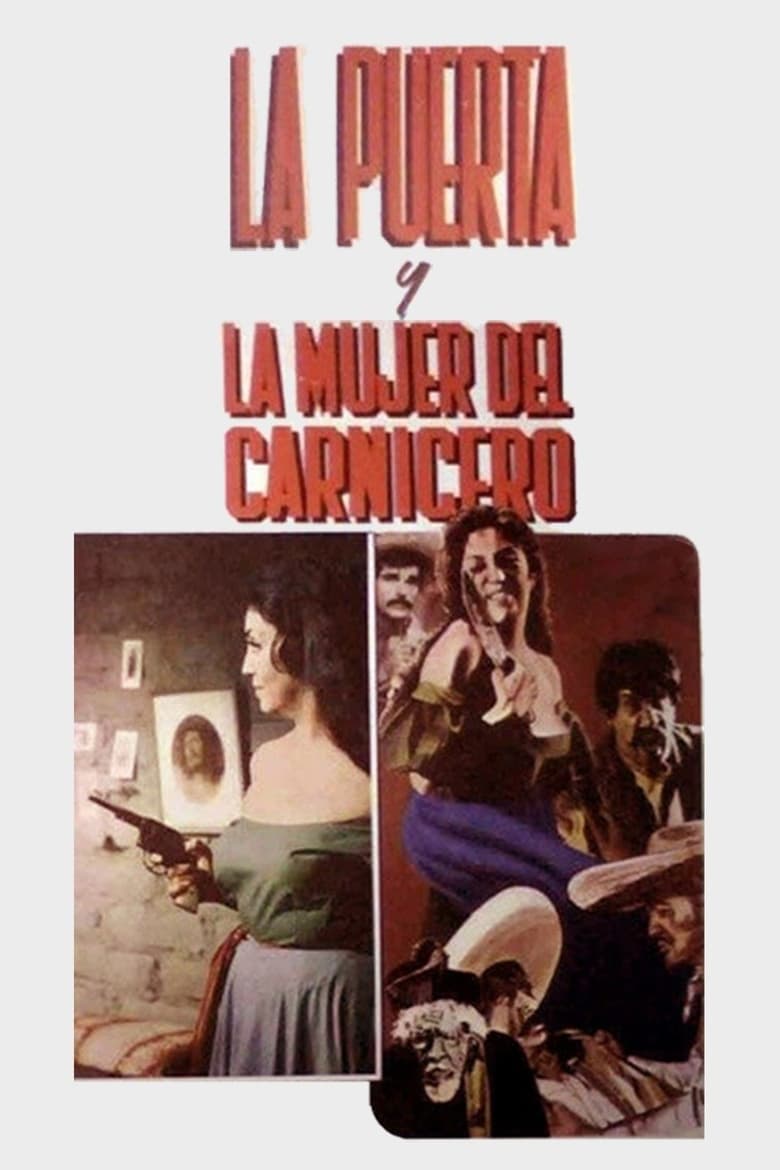
A movie divided in two segments, the first "La puerta" (The Door) is about a high society gathering in which a door inside the mansion leads to a bizarre corridor where a naked and menacing human figure appears. The second "La mujer del carnicero" (The Butcher's Wife) is set during the Mexican revolution and is about horrifying hallucinations felt by a lieutenant after committing a murder.
Overall Score
Fair
Category Breakdown
LGBTQ+ Representation
The film lacks explicit evidence of LGBTQ+ characters or non-heteronormative identities. The narrative focus remains on high society and revolutionary-era psychological trauma within a traditional framework.
Gender Representation
Characters appear to follow traditional archetypes, such as the socialite and the butcher's wife. There is no clear evidence of subverting gender hierarchies or portraying masculinity as inept.
Racial & Ethnic Diversity
As a Mexican production, the film inherently centers non-Anglo-Saxon perspectives. The revolutionary setting provides a platform for ethnic agency and prioritizes Mexican historical identity.
Religious & Cultural Diversity
The film explores morality through historical and psychological trauma. While the second segment disrupts singular moralistic storytelling, the first segment may lean toward traditional class hierarchies.
Disability Representation
Psychological distress and hallucinations are presented as symptoms of guilt rather than lived experiences of neurodivergence. There is no evidence of characters with agency regarding mental health.
Strengths
Areas for Improvement
AI Analysis
The film offers significant regional authenticity by centering Mexican historical identity and creative talent. Its setting during the Mexican Revolution provides a necessary departure from Western-centric cinematic structures. However, the narrative appears to rely on traditional social archetypes and period-specific gender dynamics. The lack of visible queer agency or the subversion of heteronormativity limits its progressive impact. Ultimately, the work functions as a culturally specific piece that prioritizes historical context over contemporary identity politics. It provides a baseline of cultural authenticity without exploring diverse lived experiences.
1989

1971

2016
1949
1964

2005
1975
1967

2019

2016
1979

1973
No reviews yet. Be the first to share your thoughts on this movie!
Use the rating form above to leave a star rating and optional review.