The Music of Strangers: Yo-Yo Ma and the Silk Road Ensemble
2016
No user ratings available yet
Representation score: 8.5 out of 10
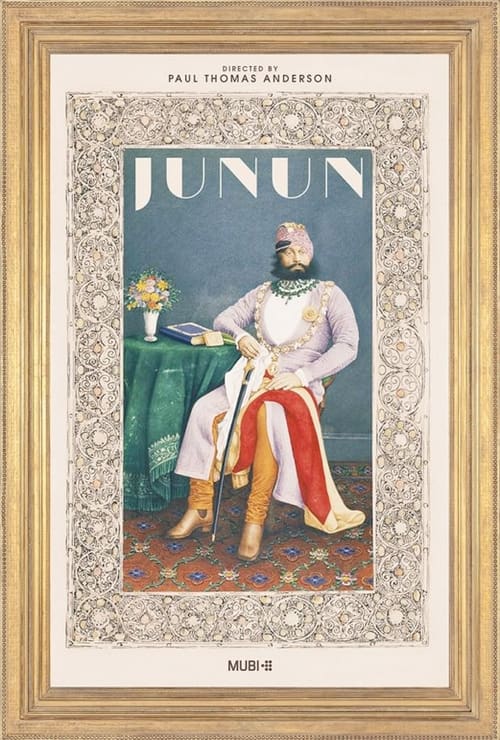
Representation Score
Good
2015
Not RatedDirector
Paul Thomas Anderson
Runtime
54 minutes
Average Rating
No ratings yetNew Showbiz Analysis
Junun is a sophisticated study of intercultural synergy that moves beyond a simple travelogue. Its primary achievement is the disruption of Western musical dominance through a meaningful exploration of cross-cultural collaboration. While the film lacks engagement with identity politics or LGBTQ+ narratives, it succeeds in framing non-Western traditions as equal, driving forces in a globalized creative dialogue. However, the documentary remains limited by its narrow focus on the technical recording process, resulting in a lack of representation regarding gender, disability, and LGBTQ+ identities.
Category Breakdown
The film focuses on the technical and spiritual aspects of musical recording. There are no documented LGBTQ+ characters or explorations of non-traditional gender identities.
The ensemble leans toward a male-dominated musical landscape. While the film avoids reinforcing submissive femininity, it does not actively challenge traditional gender roles.
The documentary excels by centering the Rajasthan Express and integrating Indian, Israeli, and Western traditions. It disrupts Western musical dominance by treating local musicians as essential architects.
The film promotes a globalist fusion model that engages with post-colonial themes of exchange. It highlights a shared, secularized devotion to the artistic process in Rajasthan.
The musicians are presented as a collective of able-bodied professionals. There is no intentional representation of neurodivergence or physical disability within the documentary.
Present on Screen
Limited or Absent
Official Synopsis
A documentary capturing the creation of the album Junun inside Rajasthan’s 15th-century Mehrangarh Fort. Paul Thomas Anderson follows Jonny Greenwood, Shye Ben Tzur, Nigel Godrich, and the Rajasthan Express as they record a cross-cultural fusion of Indian, Israeli, and Western music.
2016

2016
2017
2018
2020

1999

2017

2021
No reviews yet. Be the first to share your thoughts on this movie!
Use the rating form above to leave a star rating and optional review.