Marvin Gaye: What's Going On
2008
No user ratings available yet
Diversity score: 6.9 out of 10
2012
Director
Joe Berlinger
Runtime
102 minutes
Average Rating
No ratings yetSynopsis
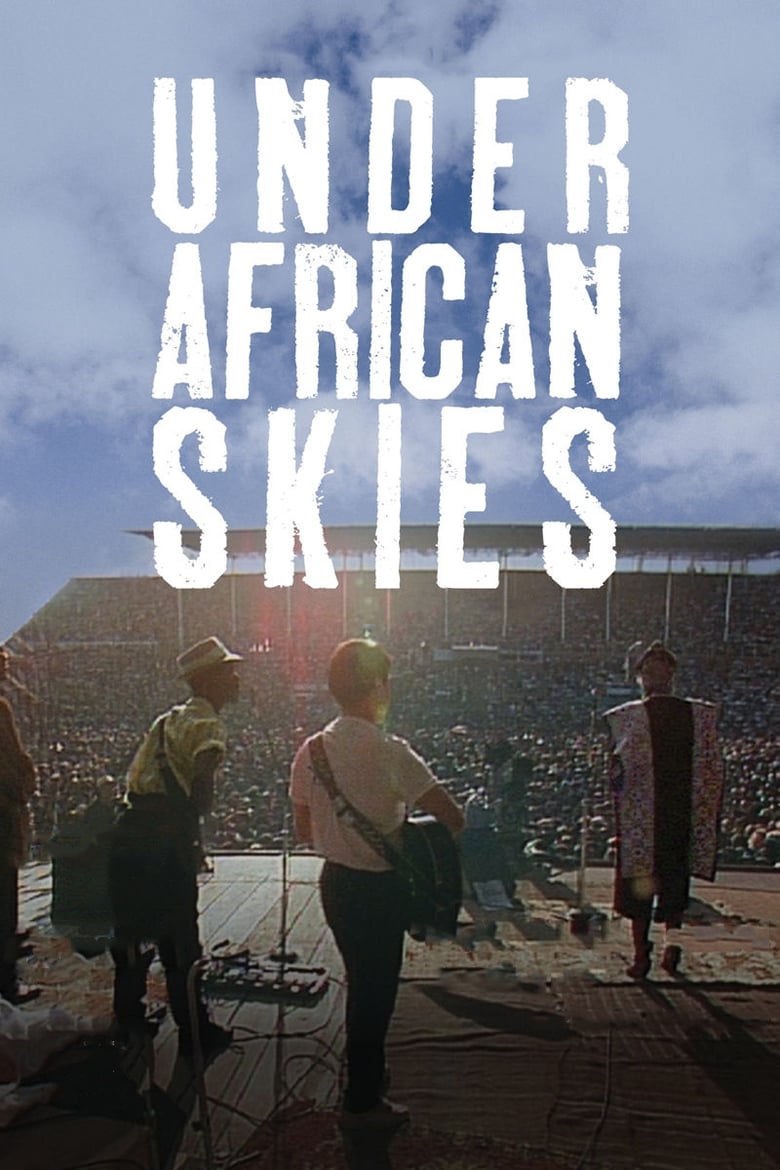
Paul Simon returns to South Africa to explore the incredible journey of his historic Graceland album, including the political backlash he received for allegedly breaking the UN cultural boycott of South Africa designed to end the Apartheid regime. On the 25th anniversary of Paul Simon's GRACELAND, acclaimed documentary filmmaker Joe Berlinger offers a glimpse at the controversy surrounding the decision to record the album in South Africa despite a UN boycott of the nation, which was aimed at ending apartheid. In the run-up to an eagerly anticipated reunion concert, Simon, Quincy Jones, Peter Gabriel, David Byrne, Harry Belafonte, Paul McCartney and others reflect on the decision to record with local artists in South Africa, and the cultural impact of the album that delivered such hits as "I Know What I Know" and "You Can Call Me Al."
Overall Score
Fair
Category Breakdown
LGBTQ+ Representation
The film functions as a musical and historical retrospective. It lacks any discernible presence of non-cisnormative gender identities or LGBTQ+ narratives.
Gender Representation
The narrative is heavily centered on the male-dominated history of the Graceland era. A lack of female agency in the central musical discourse results in a male-centric perspective.
Racial & Ethnic Diversity
The film excels by centering the collaboration between Western pop and South African choral traditions. It provides significant agency to South African musicians as essential architects of the music.
Religious & Cultural Diversity
The documentary engages deeply with post-colonial themes and the tension between global capitalism and local identities. It presents the Graceland controversy as a nuanced debate regarding political boycotts.
Disability Representation
There is no significant focus on disability within the documentary. The film does not address neurodivergence or physical disabilities as central themes or character arcs.
Strengths
Areas for Improvement
AI Analysis
Joe Berlinger’s documentary provides a sophisticated study of cultural intersectionality, specifically regarding racial and post-colonial dynamics. It moves beyond tokenism to present a multi-vocal dialogue between disparate histories. However, the film is limited by a narrow focus on the male-dominated musical landscape of the era. This results in a lack of gender diversity and a complete absence of LGBTQ+ representation. Ultimately, the work succeeds as a complex examination of systemic social structures, even if it remains focused on a specific, traditional musical history.
2008

2016

2000
2017
2012
2007

1985
2016
2014
2009

2014

2020
No reviews yet. Be the first to share your thoughts on this movie!
Use the rating form above to leave a star rating and optional review.