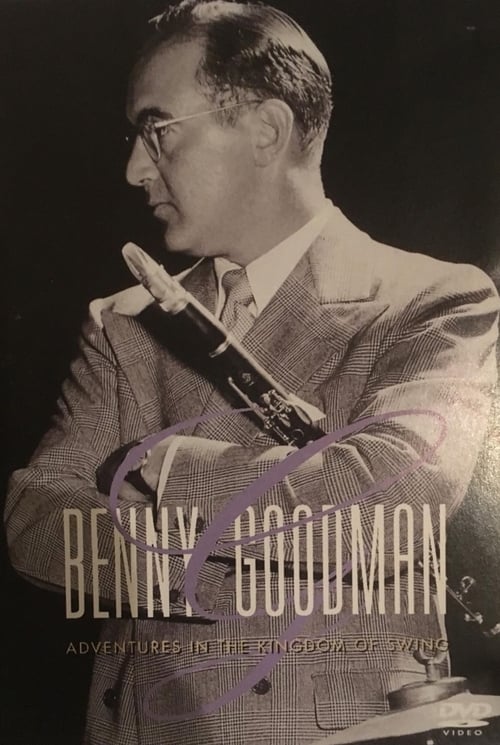
Benny Goodman - Adventures In The Kingdom Of Swing
1993
No user ratings available yet
Representation score: 2.3 out of 10
Representation Score
Minimal
1938
ApprovedDirector
Lloyd French
Runtime
9 minutes
Average Rating
No ratings yetNew Showbiz Analysis
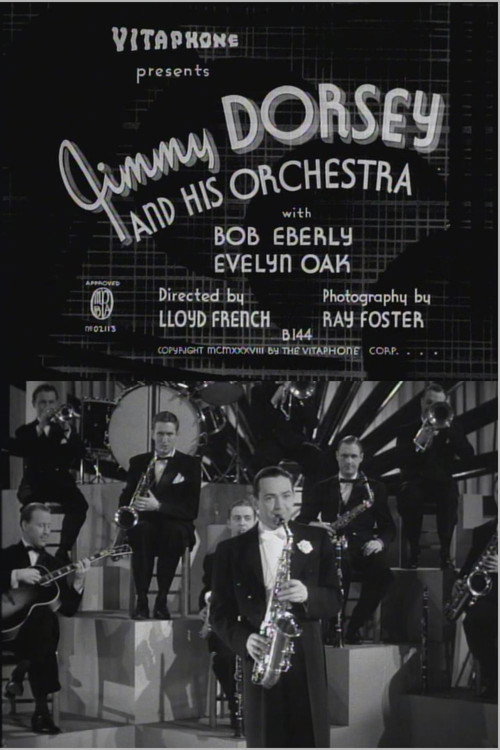
This 1938 musical short serves as a document of the big band era, focusing primarily on the documentation of a nightclub performance rather than on narrative storytelling. Since the film centers on musicality and standardized entertainment formats, it lacks the complexity necessary to explore multi-layered themes. The content reflects the social and demographic structures of the late 1930s. Ultimately, the film functions as a commercial product of its time, prioritizing the preservation of a specific musical tradition over social or identity-focused exploration.
Category Breakdown
The film does not include any characters with LGBTQ+ identities or non-cisgender narratives. It focuses solely on the musical performances of the orchestra and vocalists.
Gender representation is limited to performers following traditional 1938 standards, such as male bandleaders and female vocalists. There is no evidence of challenging gender hierarchies.
The casting reflects the typical demographics of the American big band era. There is no significant non-white representation or race-bent casting within this musical troupe.
The work highlights mainstream Western Big Band and Swing traditions. It operates as a commercial entertainment product that upholds the cultural norms of its time.
There are no characters with visible or invisible disabilities featured in the film. No individuals with disabilities are shown having a significant role in the story.
Present on Screen
Limited or Absent
Official Synopsis
In a nightclub setting, Jimmy Dorsey and His Orchestra, with two of his vocalists, perform four of the group's best known songs. For the complete list of songs, check the soundtrack listing.
1993
1944
1942
1952

1941

1966
1943
1943
No reviews yet. Be the first to share your thoughts on this movie!
Use the rating form above to leave a star rating and optional review.