
That's Entertainment! III
1994
No user ratings available yet
Representation score: 5.0 out of 10

Representation Score
Minimal
1942
ApprovedDirector
Busby Berkeley
Runtime
11 minutes
Average Rating
No ratings yetNew Showbiz Analysis
Busby Berkeley’s documentary-style revue acts as a period-specific artifact of the 1942 studio system. It prioritizes technical mastery and the grandeur of musical history over social critique. The production emphasizes established Western aesthetics and institutional stability. This focus inherently limits the space for diverse representation or the disruption of conventional social hierarchies. Ultimately, the film reflects the homogeneous industry practices of its era, favoring spectacle and traditional clichés over inclusive storytelling.
Category Breakdown
The film functions as a historical survey of musical evolution rather than a character-driven narrative. There is no depiction of LGBTQ+ identities or same-sex relationships.
The film relies on traditional Hollywood gender stereotypes. Female performers have significant screen time but are primarily showcased for their glamour and beauty rather than their leadership.
The film reflects the limitations of the studio era, focusing on Western musical scores. There is a notable absence of diverse racial casting and narratives.
The film celebrates Western musical traditions and Hollywood's industrial success. It functions as an archive of established cultural norms without critique.
The film focuses on able-bodied performers capable of high-energy choreography. There is no visible representation of neurodivergence or physical disabilities.
Present on Screen
Limited or Absent
Official Synopsis
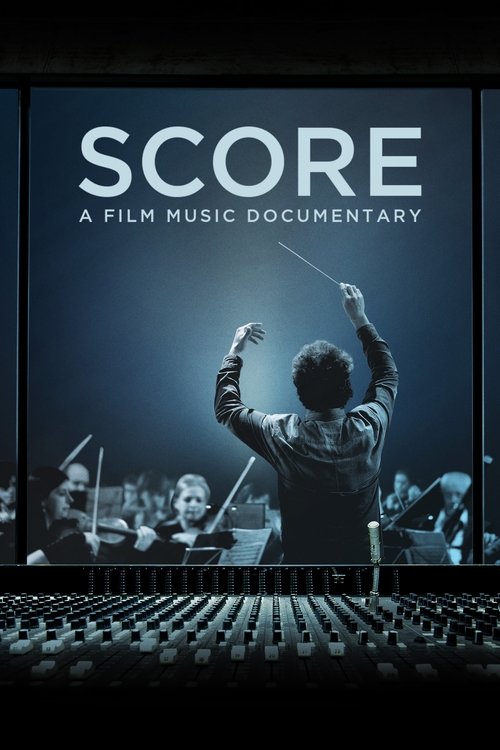
A short history of movie music is presented, from silent films accompanied by a single piano, to the elaborate song scores for musicals (with scenes from MGM's musicals) and background music for dramas. Conductor/composer
1994
2017
1976
1938
1952

1973

1941
1943
No reviews yet. Be the first to share your thoughts on this movie!
Use the rating form above to leave a star rating and optional review.