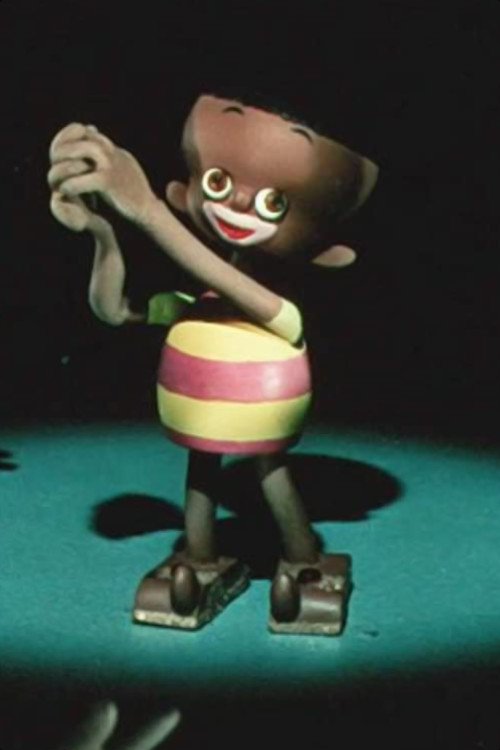
Shoe Shine Jasper
1947
No user ratings available yet
Representation score: 0.6 out of 10
Representation Score
Minimal
1952
ApprovedDirector
Eddie Donnelly
Runtime
7 minutes
Average Rating
No ratings yetNew Showbiz Analysis
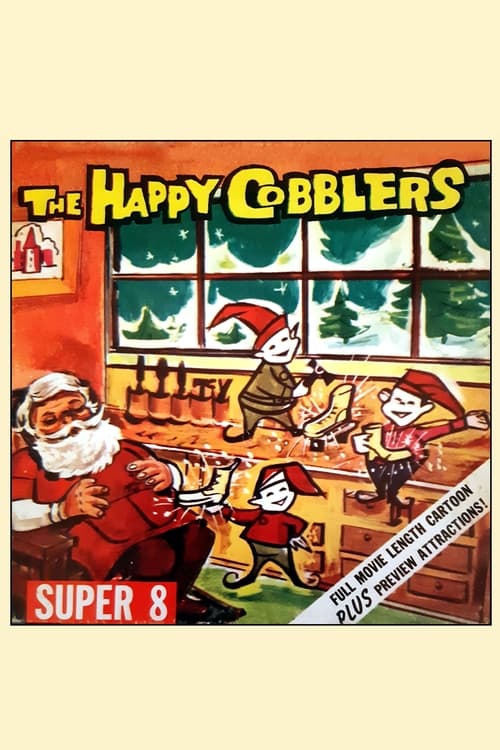
The Happy Cobblers is a traditionalist fable that adheres to the conventional folkloric structures of the early 1950s. It primarily reinforces existing social hierarchies and established archetypes rather than offering diverse perspectives. The narrative centers on male figures, such as the cobbler and the king, which limits women's ability to drive the story and representation. Combined with a non-specific mythical setting, this creates a lack of cultural and gender complexity. Ultimately, the film operates within the narrow cultural constraints of mid-century animation. It relies on familiar formulas of royal patronage and Eurocentric morality to drive its simple, moralistic plot.
Category Breakdown
The film does not depict LGBTQ+ identities or same-sex relationships. Characters follow traditional mythological archetypes.
The story relies on traditional gender roles, focusing on a male cobbler and a king. Women have limited roles, reinforcing a patriarchal society.
Set in a mythical country, the film avoids specific cultural identities. The narrative lacks visible racial diversity, favoring a Eurocentric folklore tradition.
The film reinforces Western fairy tale morality and hierarchical social orders. It promotes prosperity through royal patronage without challenging systemic power structures.
The protagonist's declining physical capability serves as a standard plot device for hardship. There is no nuanced exploration of disability or neurodivergence.
Present on Screen
Limited or Absent
Official Synopsis
In a little village in a far-away mythical country lives an old cobble and his dog. The old man can no longer make good shoes and they have fallen upon hard times until, one night, the dog hears noise in the workshop. He finds a band of merry elves making a beautiful pair of shoes. The cobbler believes his dog made them and spreads the news. The King hears about it and orders the cobble to have the dog make 500 pairs of shoes, as the King is as fond of shoes as a former first lady of the Philippines was. The elves come to the rescue, make the shoes, and the shoe-loving King is highly pleased and makes the old cobbler a rich man.
1947
1980
1950
1950
1935
1965
1929
1934
No reviews yet. Be the first to share your thoughts on this movie!
Use the rating form above to leave a star rating and optional review.