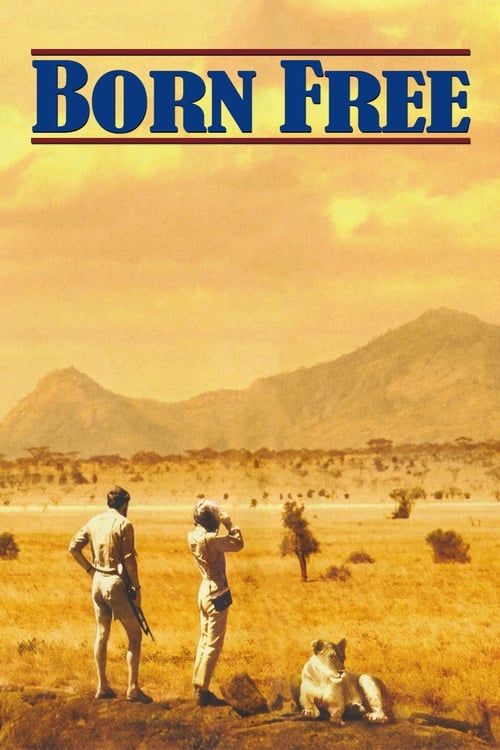
Born Free
1966
No user ratings available yet
Representation score: 1.4 out of 10
Representation Score
Minimal
1962
ApprovedDirector
Howard Hawks
Runtime
157 minutes
Average Rating
No ratings yetNew Showbiz Analysis
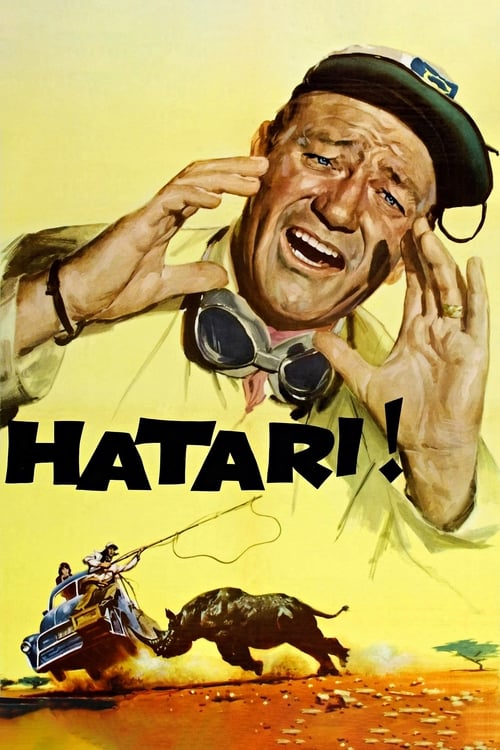
Hatari! presents a mix of progressive gender representation and regressive colonial dynamics. The film highlights a female lead who possesses professional competence and intellectual equality, moving beyond the era's typical damsel clichés. However, these advancements are offset by a narrative that reinforces 1960s social hierarchies. The racial dynamics are strictly colonial, positioning local populations as labor rather than autonomous characters. The plot also relies on traditional romantic competition to drive its resolution. Ultimately, the film is a product of its time, prioritizing the competence of a Western expeditionary crew while maintaining the era's systemic racial and straight-centered constraints.
Category Breakdown
The film follows strict assumptions that everyone is straight or cisgender. There are no non-cisgender identities represented, and the plot revolves around traditional romantic rivalry between men for a female lead.
Hurry is a professional wildlife photographer who plays a significant role in driving the story. She avoids the damsel-in-distress cliché but the story resolves through traditional romantic competition.
The setting includes a diverse local cast, but the narrative reinforces a colonial hierarchy. African characters primarily serve as a labor force for the Western protagonists.
The film celebrates Western professional codes and rugged individualism. Resource extraction is framed as a standard endeavor without critiquing capitalism or Western institutions.
There are no significant depictions of visible or invisible disabilities within the primary narrative arc.
Present on Screen
Limited or Absent
Official Synopsis
A female wildlife photographer arrives on an East African reservation where a group of men trap wild animals for zoos and circuses.
1966

1953

1981
1953

1953
1990
1963

1979
No reviews yet. Be the first to share your thoughts on this movie!
Use the rating form above to leave a star rating and optional review.