Hatari!
1962
No user ratings available yet
Representation score: 1.8 out of 10
Representation Score
Minimal
1966
PGDirector
James Hill
Runtime
95 minutes
Average Rating
No ratings yetNew Showbiz Analysis
Born Free is a product of its 1960s cultural and temporal context, functioning as a traditional biographical nature drama. It upholds a conventional hierarchy that centers Western ability to act and reinforces the social structures of the time. While the film provides a more nuanced depiction of women's ability to drive the story compared to many contemporary works, it does not challenge the colonial frameworks embedded in its setting. The narrative structure prioritizes a stable, Eurocentric perspective over subversive or multi-layered storytelling.
Category Breakdown
The film does not include any visible LGBTQ+ characters or representations of non-straight relationships. The story focuses solely on the emotional connections between the main characters and animals.
Joy Adamson is shown to have significant influence as a co-equal partner in conservation efforts. However, the film adheres to traditional colonial gender roles.
The narrative primarily focuses on the white protagonists, with limited ability to act given to local populations. These communities are mostly shown in relation to the colonial administration and the Adamsons.
The film emphasizes the presence of Western institutions in East Africa, presenting conservationists as benevolent figures. It highlights the moral clarity and effectiveness of the central Western characters.
There are no significant depictions of visible or invisible disabilities that play a key role in the narrative or provide character's ability to drive the story.
Present on Screen
Limited or Absent
Official Synopsis
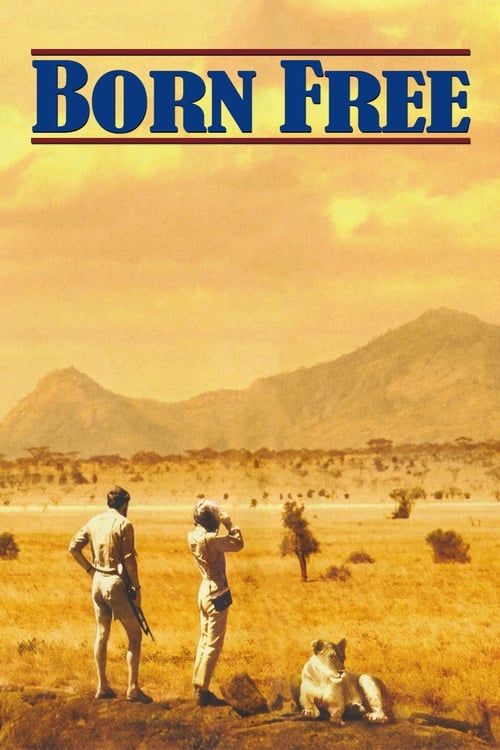
At a national park in Kenya, English game warden George Adamson and his wife, Joy, care for three orphaned lion cubs. After the two larger lions are shipped off to a zoo in the Netherlands, the smallest of the three, Elsa, stays with the couple. When Elsa is blamed for causing an elephant stampede in the nearby village, head warden John Kendall demands the young lion either be trained to survive in the wilds of the Serengeti or be sent to a zoo.
1962
2004
1999
1983
1962
1979
1972

2005
No reviews yet. Be the first to share your thoughts on this movie!
Use the rating form above to leave a star rating and optional review.