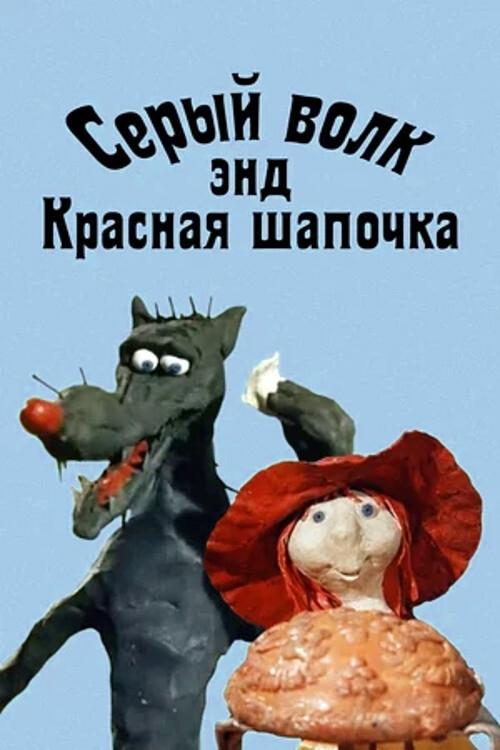
The Grey Wolf & Little Red Riding Hood
1990
No user ratings available yet
Diversity score: 5.2 out of 10
1986
Director
Garri Bardin
Runtime
10 minutes
Average Rating
No ratings yetSynopsis
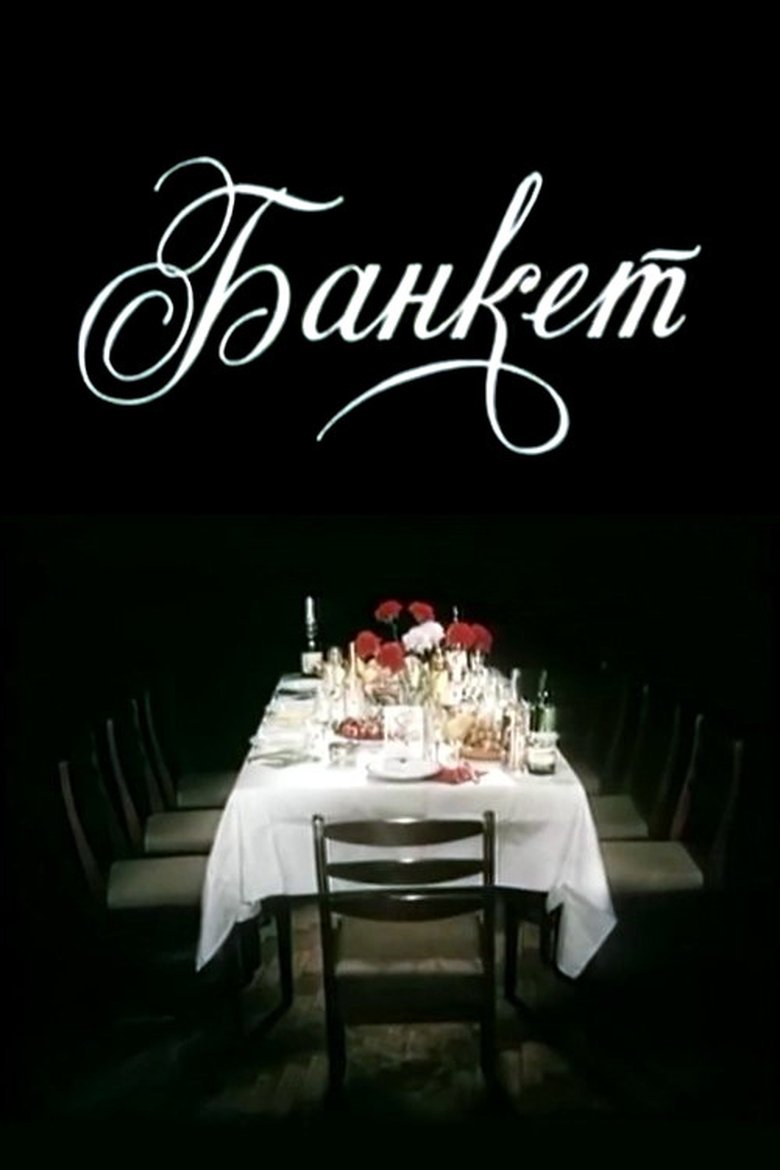
A riotous dinner party where the guests are invisible to the viewer.
Overall Score
Fair
Category Breakdown
LGBTQ+ Representation
The film's abstract nature and invisible guests preclude any explicit depiction of sexual orientation. While it avoids heteronormative tropes, it lacks specific LGBTQ+ identities.
Gender Representation
The absence of visible characters avoids traditional gender hierarchies and patriarchal leadership. However, the lack of character agency prevents the film from actively subverting gender dynamics.
Racial & Ethnic Diversity
The allegorical framework avoids racial stereotyping or whitewashing through its invisible cast. It lacks intentional inclusion of diverse ethnic identities, focusing instead on the universal consumer.
Religious & Cultural Diversity
The narrative aligns with critiques of bourgeois excess and consumption. It uses allegory to challenge capitalist structures and deconstruct traditional Western-style consumerist values.
Disability Representation
There is no evidence of characters with visible or invisible disabilities. The focus on objects precludes the exploration of neurodivergence or physical disability.
Strengths
Areas for Improvement
AI Analysis
Banquet is a conceptually sophisticated work that prioritizes systemic critique over individual identity. By utilizing invisible guests, the film shifts the focus from personal demographics to the mechanics of social hierarchy and excess. The film's strength lies in its ability to disrupt conventional celebratory narratives through anti-consumerist allegory. It functions as a semiotic critique of social stratification rather than a character-driven study. However, the very abstraction that allows for this critique also limits demographic representation. The lack of visible characters means the film cannot actively engage with specific identities regarding gender, race, or orientation.
1990
1978
1970
1996

1965
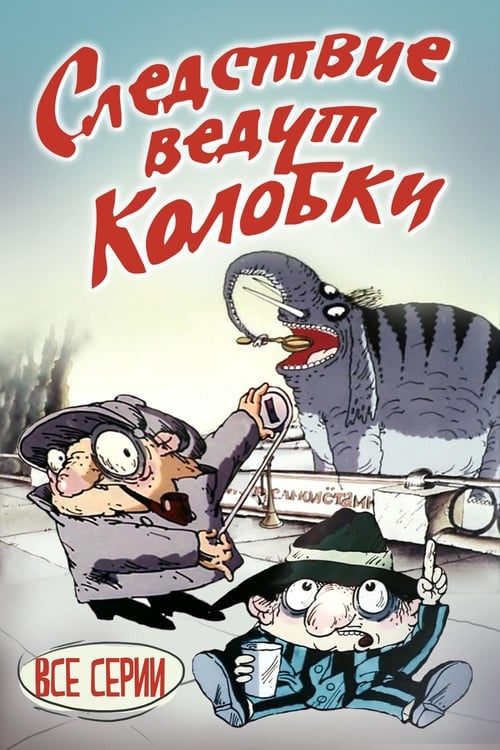
1986
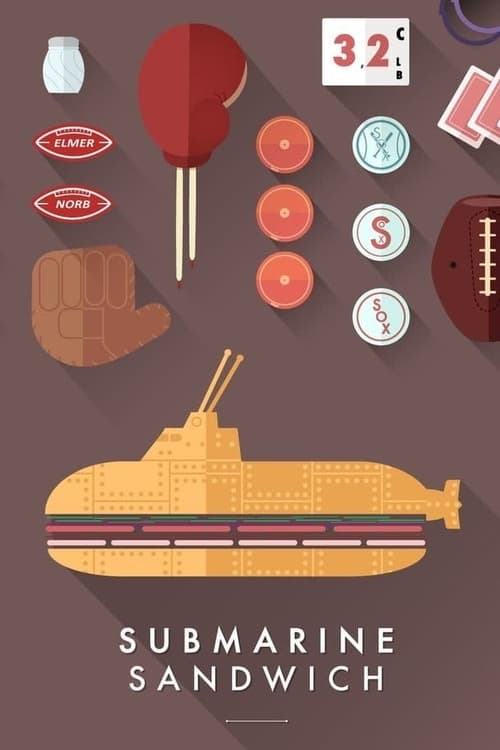
2015
1962
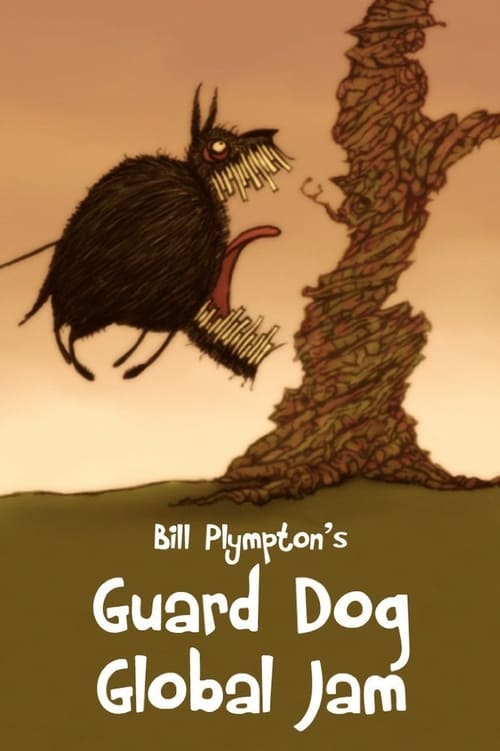
2011

2017
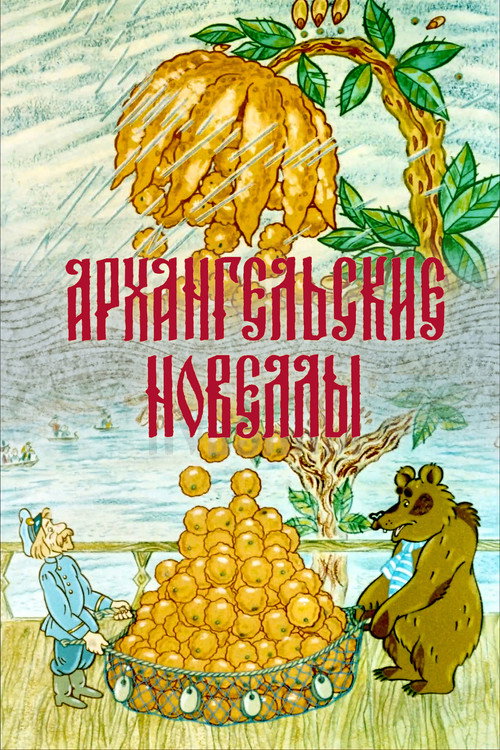
1986
2016
No reviews yet. Be the first to share your thoughts on this movie!
Use the rating form above to leave a star rating and optional review.