
A Day in Court
1954
No user ratings available yet
Representation score: 2.8 out of 10
Representation Score
Limited
1985
Director
Steno
Runtime
108 minutes
Average Rating
No ratings yetNew Showbiz Analysis
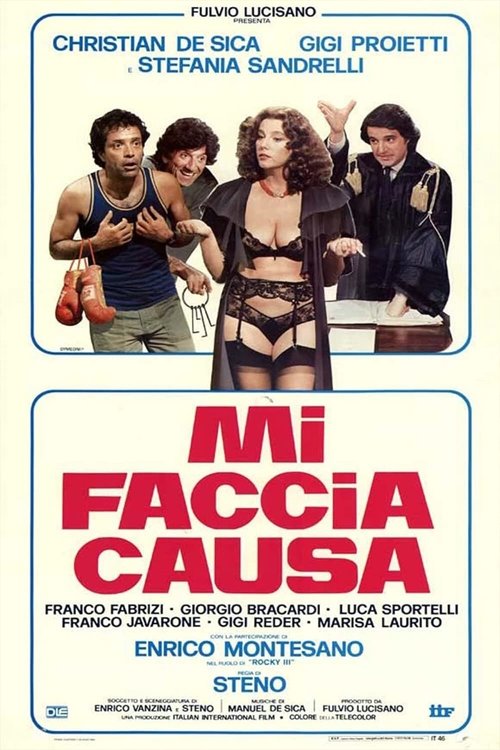
Sue Me is a product of its specific temporal and geographic context, adhering to the demographic norms of 1980s European cinema. It utilizes social satire to examine systemic friction through the lens of a judicial protagonist. The film lacks the multi-layered approaches found in contemporary media. Instead, it relies on traditional narrative structures and a localized social perspective. While the satire offers a critique of bureaucracy, the representation remains largely conventional and lacks significant diversity in terms of race, gender, or identity.
Category Breakdown
The film does not include explicit LGBTQ+ narratives or characters with non-conforming gender identities. It focuses on the social dynamics typical of mid-80s Italian comedy, which assumes everyone is straight and cisgender.
The story centers around a male judge who navigates a world of ordinary citizens. This setup emphasizes traditional patriarchal hierarchies rather than challenging gendered leadership roles.
The production reflects the demographic homogeneity of 1980s Italian cinema. The setting and cast center on a localized, predominantly white Mediterranean social fabric.
The film uses satire to critique legal and social institutions. It operates within an established Western social order rather than promoting anti-Western or anti-capitalist ideologies.
While citizens are described as suffering from various issues, there is no clear evidence of the representation of visible or invisible disabilities.
Present on Screen
Limited or Absent
Official Synopsis
Judge Pennisi deals with a lot of citizens every day, some of them criminals, but almost always ordinary people, suffering from a wide range of problems.
1954

1983

1963
1975

2014

1982

1962
1986
No reviews yet. Be the first to share your thoughts on this movie!
Use the rating form above to leave a star rating and optional review.