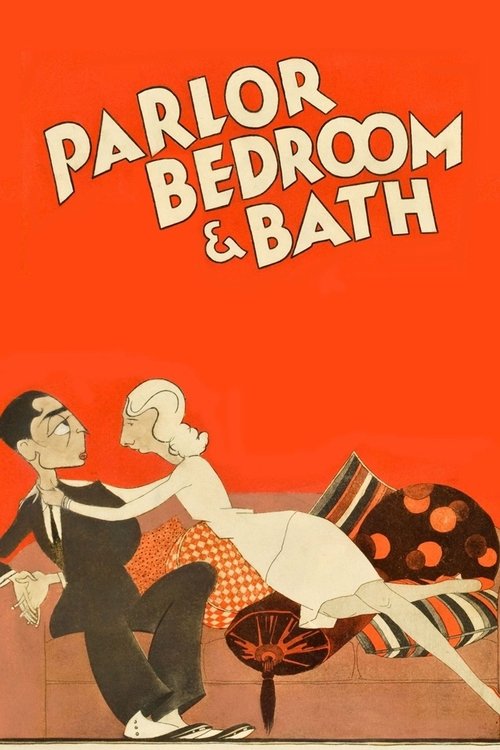
Parlor, Bedroom and Bath
1931
No user ratings available yet
Representation score: 1.1 out of 10
No Poster Available
Representation Score
Minimal
1931
PassedDirector
Bobby Vernon
Runtime
20 minutes
Average Rating
No ratings yetNew Showbiz Analysis
For the Love of Fanny is a conventional early sound-era comedy that adheres strictly to the social hierarchies of its time. The plot revolves around a male protagonist's attempts to gain social status through a fraternity, using romantic maneuvering as a primary driver. Representation is minimal, as the film relies on standard formulas of the 1930s. Characters function within narrow archetypes, such as the passive female love interest and the competitive male rival, offering little room for diverse perspectives. Ultimately, the film serves as a period piece reflecting the era's lack of narrative disruption. It prioritizes slapstick and traditional courtship over any meaningful exploration of underrepresented identities.
Category Breakdown
The film centers on a traditional heterosexual relationship between Glenn and Fanny. There is no depiction of queer identities or challenges to the assumption that everyone is straight.
Gender roles remain traditional, with the male protagonist's social struggles taking precedence. Fanny is portrayed as a passive 'sweet patootie' rather than an active participant in her own story.
The story lacks any indication of non-white or non-Anglo-Saxon characters. It follows the homogeneous casting norms typical of 1931 Hollywood.
The plot relies on established social institutions like the collegiate fraternity system. It focuses on social climbing and courtship rather than any subversive cultural or moral frameworks.
The narrative contains no mention of characters with physical or neurodivergent disabilities. No representation of disability is present in the available material.
Present on Screen
Limited or Absent
Official Synopsis
Glenn (Glenn Tryon), is trying to get into a secret fraternity in order to impress his girlfriend, Fanny (Helen Mann). But his rival is the president of the fraternity and has some very special plans for Glenn. The latter soon finds himself crooning a love song to two tough policeman. and being instructed to convince his blond sweet patootie, Fanny, that he prefers a brunette sweet patootie.
1931
1925
1934
1926
1931
1927
1937
1932
No reviews yet. Be the first to share your thoughts on this movie!
Use the rating form above to leave a star rating and optional review.