
Diagnosis Bipolar: Five Families Search for Answers
2010
No user ratings available yet
Representation score: 7.9 out of 10
Representation Score
Good
2005
TV-PGDirector
Ellen Goosenberg Kent
Runtime
27 minutes
Average Rating
No ratings yetNew Showbiz Analysis
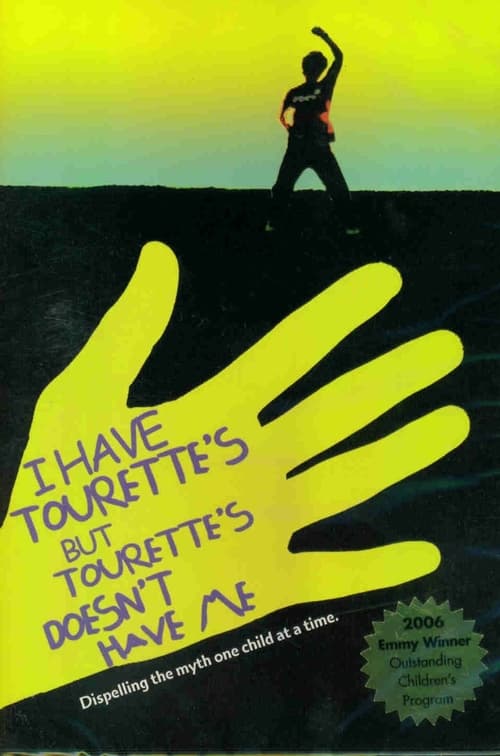
The documentary stands out by centering the lived experiences of neurodivergent children. By letting them discuss stigma and control measures directly, the film offers meaningful ability to act to a underrepresented group. While the film significantly contributes to the discourse on neurodiversity, it does not explicitly address multi-layered identities. There is minimal information about racial or LGBTQ+ representation within the narrative. Overall, the film's strength lies in its disruption of traditional social hierarchies, prioritizing the voices of children over institutional or clinical perspectives.
Category Breakdown
The documentary focuses on neurological differences rather than sexual orientation. There is no indication that LGBTQ+ themes play a central role in the narrative.
The film centers on children aged 6 to 13, which shifts the focus away from typical adult power structures. This approach gives younger subjects a more prominent role in driving the narrative.
The subjects are described as American children. Without specific casting information, the racial diversity aligns with standard domestic production practices of this time period.
The film challenges conventional norms by emphasizing the children's personal experiences and subjective realities over clinical viewpoints. It values individual perspectives over societal expectations.
This is the film's primary strength. It avoids 'inspiration porn' by allowing children to lead the narrative and define their relationship with Tourette's syndrome.
Present on Screen
Limited or Absent
Official Synopsis
This insightful Home Box Office documentary profiles some American children afflicted with Tourette's syndrome -- a hereditary neurological disorder manifested by recurrent, involuntary vocal and motor tics. More than a dozen youngsters ranging from ages 6 to 13 discuss the stigma of Tourette's, what it's like to grow up with the condition, control measures and the challenges they face to be viewed as normal.
2010
2016
2006

2023

2019
2010
2000

2008
No reviews yet. Be the first to share your thoughts on this movie!
Use the rating form above to leave a star rating and optional review.