
Manic
2017
No user ratings available yet
Representation score: 7.0 out of 10
Representation Score
Good
2010
UnratedDirector
Ralf Huettner
Runtime
96 minutes
Average Rating
No ratings yetNew Showbiz Analysis
Vincent Wants to Sea stands out for its empathetic and nuanced portrayal of neurodivergence, presenting characters with Tourette's syndrome and compulsive disorders. However, the film remains tied to traditional social structures, lacking LGBTQ+ representation and maintaining conventional gender and racial dynamics. The conflict is driven by established power structures, such as the relationship between a son and his politically influential father. Despite this, the film offers a powerful critique of institutional failures in supporting individuals with disabilities.
Category Breakdown
The film does not center on queer romantic arcs or non-assuming gender matches what was assigned at birth identities. It explores 'otherness' through neurodivergence rather than sexual orientation.
The film maintains conventional gender roles, focusing on Marie's struggle with anorexia rather than challenging patriarchal structures.
The story centers on a predominantly white cast, lacking diverse characters to disrupt the traditional Eurocentric setting.
The narrative highlights systemic barriers to reintegration, critiquing the stability of the Western family unit and the inadequacy of political and mental health institutions.
The film's strongest aspect is its empathetic and complex portrayal of neurodivergence, granting characters genuine ability to act and avoiding mockery.
Present on Screen
Limited or Absent
Official Synopsis
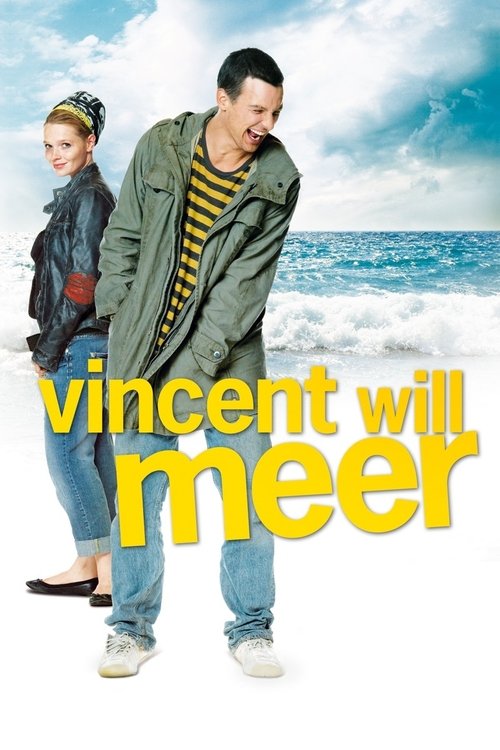
Vincent, a young man who suffers from Tourette's syndrome, has just lost his mother. His father, a successful politician, does not want to take care of him and therefore places him into a mental institution. He is put into a room with Alexander, a guy with a compulsive disorder, and is shown around by Marie, an anorectic girl.
2017

2011
1998

1999

2021

2010

2015

2002
No reviews yet. Be the first to share your thoughts on this movie!
Use the rating form above to leave a star rating and optional review.