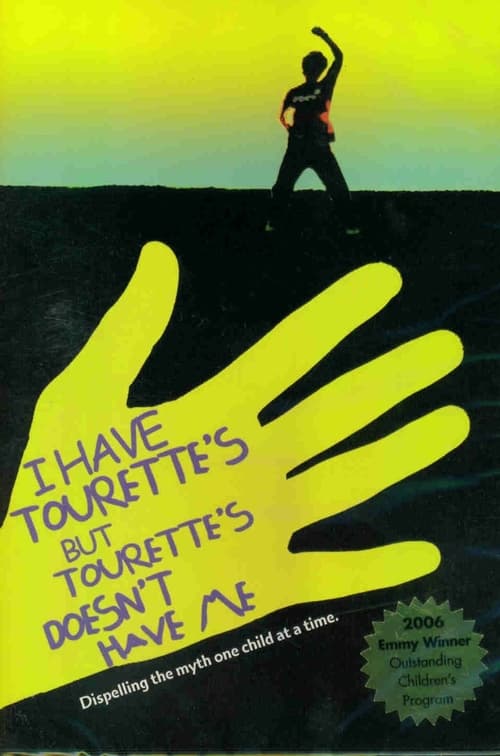
I Have Tourette's But Tourette's Doesn't Have Me
2005
No user ratings available yet
Representation score: 7.7 out of 10
No Poster Available
Representation Score
Fair
2006
AtpDirector
Erwin Michelberger, Oleg Tcherny
Runtime
79 minutes
Average Rating
No ratings yetNew Showbiz Analysis
But Still offers a profound look at neurodivergence by centering the lives of people with Tourette syndrome. The film avoids treating their condition as a spectacle, instead focusing on their shared humanity through discussions of love and fear. The production maintains a balanced gender dynamic, which helps dismantle traditional hierarchies of masculine stoicism. This creates a space where emotional labor is shared equally between the men and women present. While the film succeeds in disability ability to act and gender parity, the lack of information regarding racial diversity and specific LGBTQ+ identities prevents a higher overall score. It remains a focused study of subjective, unconventional experience.
Category Breakdown
The film explores themes of love and intimacy among the participants. However, it lacks explicit evidence regarding non-straight relationships or same-sex depictions.
A balanced ratio of three men and three women avoids traditional patriarchal dominance. This structure allows for an egalitarian exchange of emotional vulnerability and dreams.
The provided information does not offer specific details regarding the ethnic or racial composition of the participants. No data is available to assign a score.
The narrative prioritizes individual truth and personal beliefs over institutional dogma. It frames neurodivergent expression as a valid mode of existence outside traditional social norms.
The film excels by centering individuals with Tourette syndrome. It integrates their lived reality into the core human experience rather than using their condition as a plot device.
Present on Screen
Limited or Absent
Official Synopsis
A woodland setting flooded by sunlight. Three men and three women meet for a picnic, and talk and argue about love, dreams, beliefs and fears. All of them suffer from so-called tics: the Tourette syndrome.
2005
1978
2015
2016
2017
2010
2016
2017
No reviews yet. Be the first to share your thoughts on this movie!
Use the rating form above to leave a star rating and optional review.