
Boy Interrupted
2009
No user ratings available yet
Representation score: 7.1 out of 10
Representation Score
Good
2010
TV-PGDirector
Kate Davis
Runtime
48 minutes
Average Rating
No ratings yetNew Showbiz Analysis
Kate Davis’s documentary excels by centering the lived experiences of families dealing with Bipolar Mood Disorder. Rather than relying on clinical detachment, the film provides a raw, longitudinal look at how neurodivergence impacts domestic stability and systemic interactions. The work is most impactful in its portrayal of disability, giving real power to those affected by mental health conditions. It moves beyond mere drama to explore the biological and social complexities of the disorder. While the film lacks explicit focus on LGBTQ+ identities or radical social subversion, it succeeds in its nuanced integration of race, class, and medical management.
Category Breakdown
The film does not center on queer narratives or non-cisgender identities. Instead, it focuses on traditional nuclear and extended family structures navigating psychiatric crises.
Both men and women are shown as equally susceptible to the disorder and equally burdened by caregiving responsibilities. The film presents a realistic domestic view without actively challenging traditional gender roles.
The production includes families from diverse racial backgrounds, including Black and White households. This avoids a monolithic view of the American experience by integrating varied racial perspectives.
The narrative critiques the effectiveness of Western medical institutions and the medical-industrial complex. It portrays the healthcare system as a source of stress rather than a seamless provider.
This is the film's strongest area, treating neurodivergence who play a significant role in driving the story. It avoids 'inspiration porn' by framing manic and depressive episodes as complex biological realities.
Present on Screen
Limited or Absent
Official Synopsis
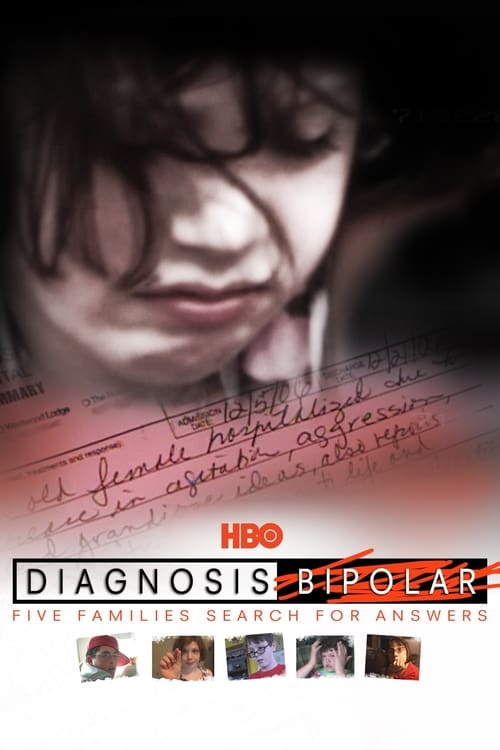
Traumatized. Immobilized. Stigmatized. Families reveal the struggles, hopes and fears that arise from raising young children with Bipolar Mood Disorder. Shot over the course of 12 months, the film focuses on five sets of parents and how they handle the unique challenges of caring for their bipolar children in the shadow of depression, violence and the threat of suicide.
2009

2011
2018
2006
1994

2023

2017

2006
No reviews yet. Be the first to share your thoughts on this movie!
Use the rating form above to leave a star rating and optional review.