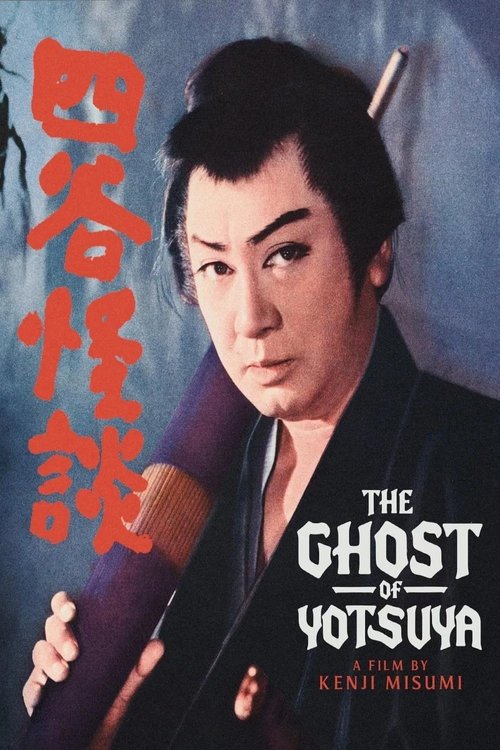
The Ghost of Yotsuya
1959
No user ratings available yet
Representation score: 4.4 out of 10
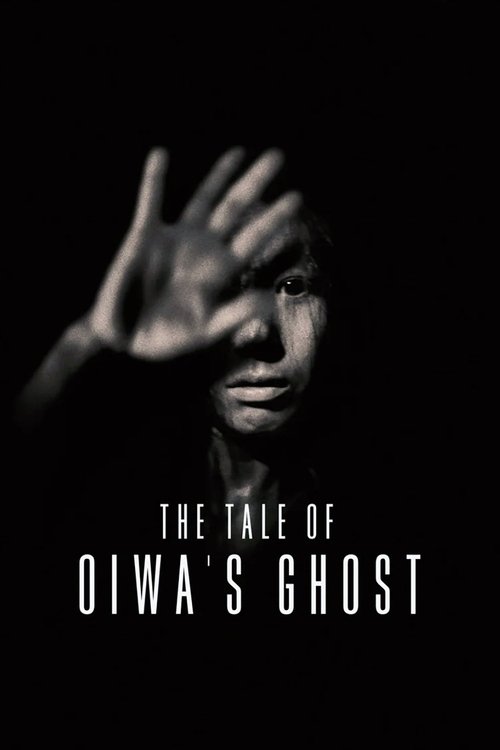
Representation Score
Fair
1961
Director
Tai Katō
Runtime
94 minutes
Average Rating
No ratings yetNew Showbiz Analysis
Tai Katō’s film uses the kaidan genre to challenge traditional gender hierarchies. By focusing on a woman's vengeance, it transforms a victim of patriarchal betrayal into a powerful figure. Though the film lacks modern identity politics and diverse casting, it provides a sophisticated critique of social structures. Folklore is used to explore the moral consequences of greed and the fragility of traditional family units. Ultimately, the film grants significant power to a underrepresented female character, though its portrayal of physical trauma leans towards horror clichés.
Category Breakdown
The film emphasizes traditional marriage and family structures, focusing on heterosexual relationships. It does not include characters with non-binary or LGBTQ+ identities or same-sex relationships.
Oiwa transitions from a vulnerable domestic role to a powerful supernatural force. Her story revolves around her revenge against patriarchal betrayal and greed.
The film features an ethnically uniform cast reflective of feudal Japan. While it avoids whitewashing, it does not incorporate modern casting practices that embrace diversity.
The narrative employs folklore to critique personal ambition and social climbing. It highlights how the breakdown of family units results from individual corruption.
Physical disfigurement is used as a catalyst for the supernatural storyline. However, the film primarily leverages trauma for horror purposes rather than exploring the lived experiences of those with disabilities.
Present on Screen
Limited or Absent
Official Synopsis
A samurai plots to reclaim his estranged wife after she leaves him over a murder scandal. When her sister falls victim to a scheme, he and his friend manipulate events, but their plans lead to supernatural vengeance.
1959
1960

1958
1968
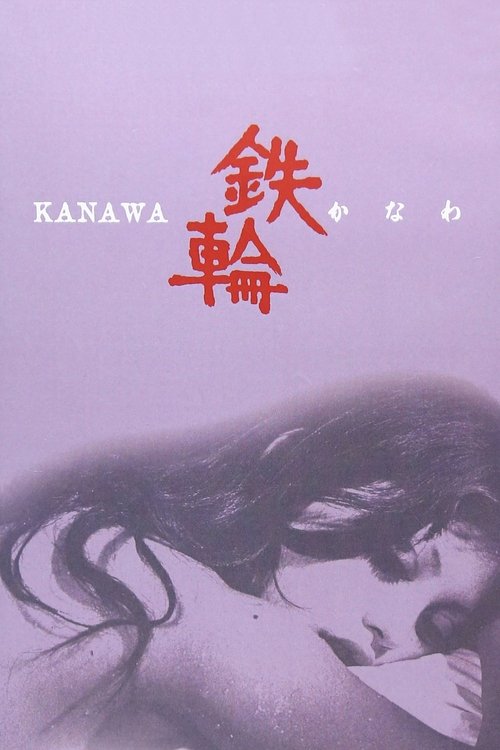
1972
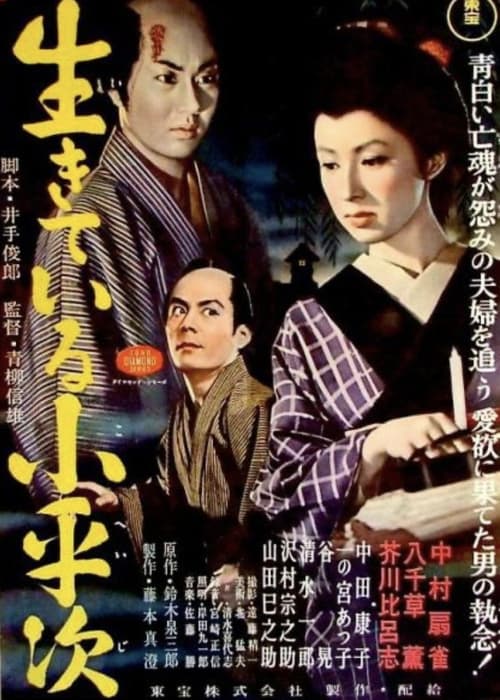
1982
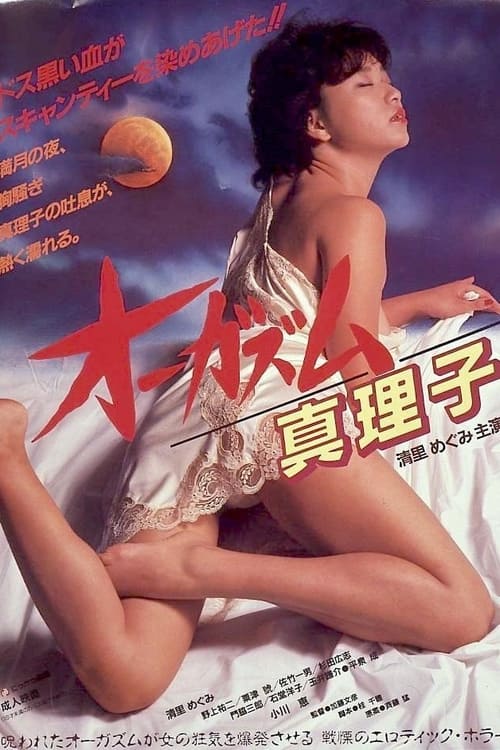
1985
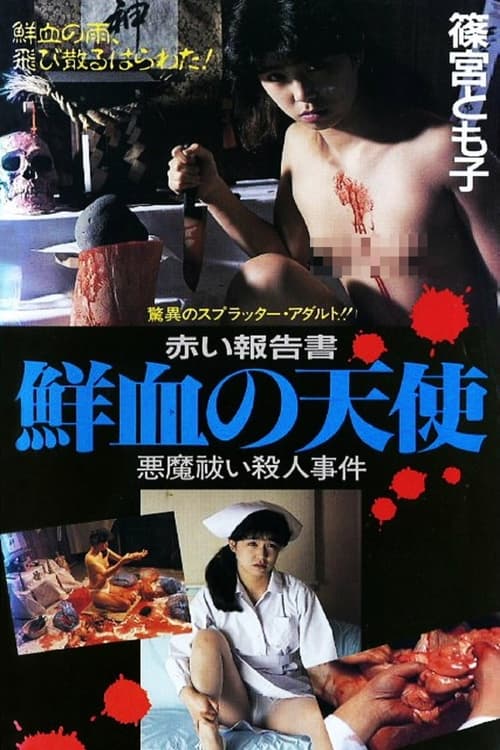
1988
No reviews yet. Be the first to share your thoughts on this movie!
Use the rating form above to leave a star rating and optional review.