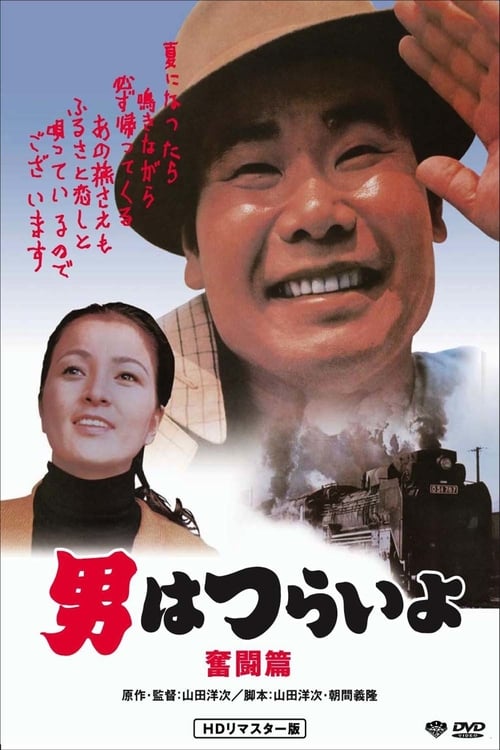
Tora-san, the Good Samaritan
1971
No user ratings available yet
Representation score: 0.9 out of 10
Representation Score
Minimal
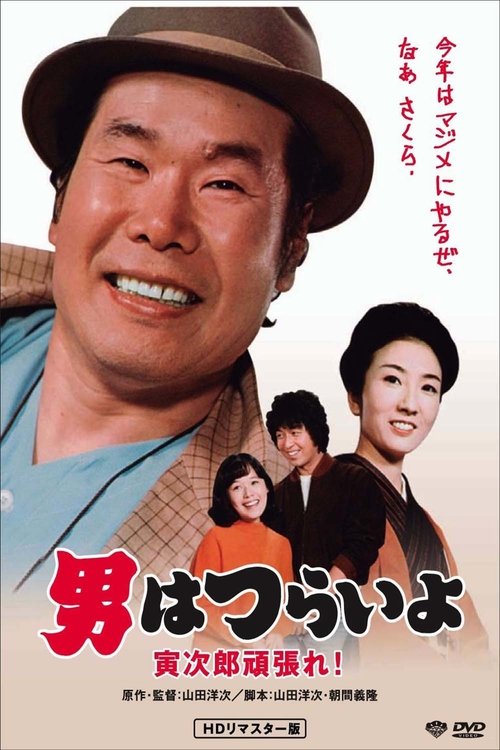
1977
Director
Yoji Yamada
Runtime
95 minutes
Average Rating
No ratings yetNew Showbiz Analysis
Tora-san Plays Cupid functions as a cinematic record of traditional Japanese working-class life. It prioritizes the preservation of specific cultural identities and social structures over disrupting established norms. The film's focus on the Shibamata district leads to a culturally specific but homogeneous environment with limited racial or LGBTQ+ diversity. It reinforces conventional family dynamics and traditional gender roles. While the protagonist's eccentricities create minor social disruptions, they are treated as personal traits rather than systemic challenges. The work serves as a conservative preservation of heritage.
Category Breakdown
The film does not include any LGBTQ+ characters or explore non-straight identities. Romantic storylines focus solely on traditional relationships and heterosexual stability.
Women such as Sakura play key roles in managing family affairs and providing emotional support. However, the film relies on traditional gender roles where women serve as stabilizing forces for men.
The story focuses on the Japanese working class in Shibamata. It portrays a culturally homogeneous environment without any non-Japanese characters or racial blending.
The narrative highlights nostalgia for traditional Japanese institutions and neighborhood ties. It emphasizes family cohesion and traditional social roles without challenging them.
There are no prominent depictions of visible or invisible disabilities. The main characters and supporting cast do not include neurodivergence or chronic illness.
Present on Screen
Limited or Absent
Official Synopsis
Tora-san becomes friends with Toraya's newest tenant, a pachinko-playing electrician that goes by the nickname Watt. Tora attempts to match Watt with a young waitress.
1971
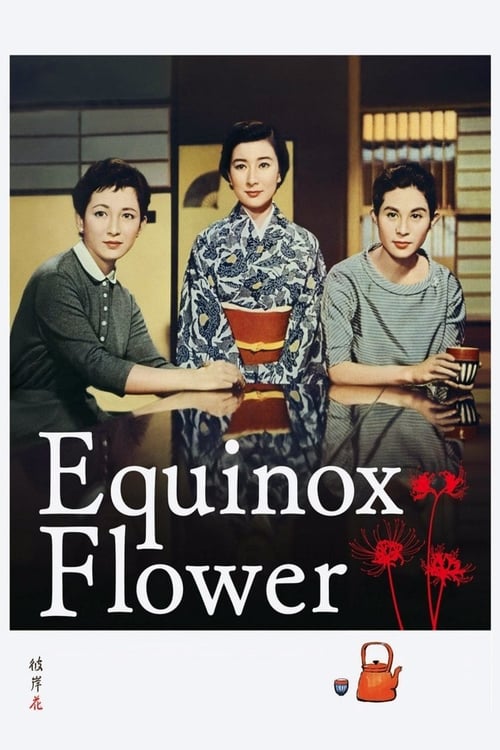
1958
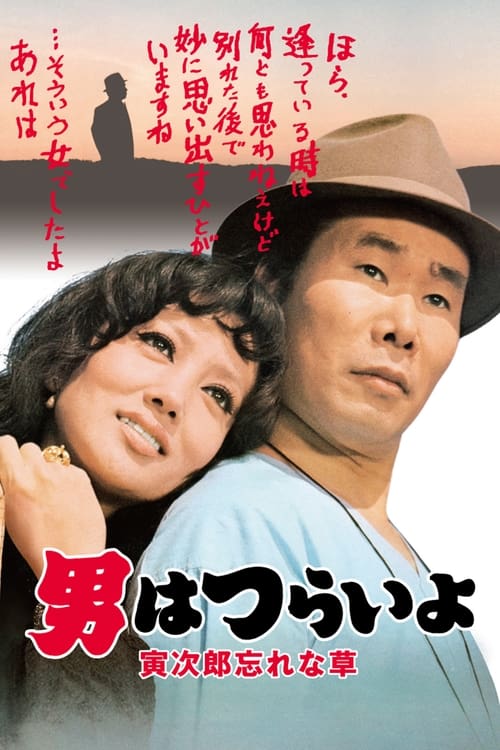
1973

1960
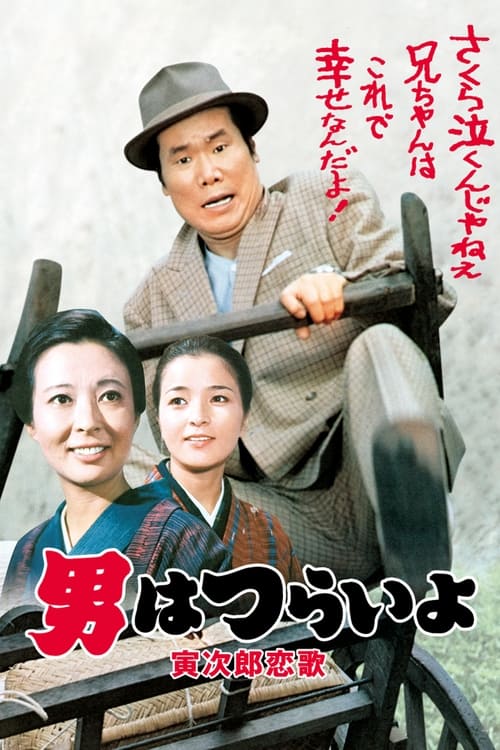
1971
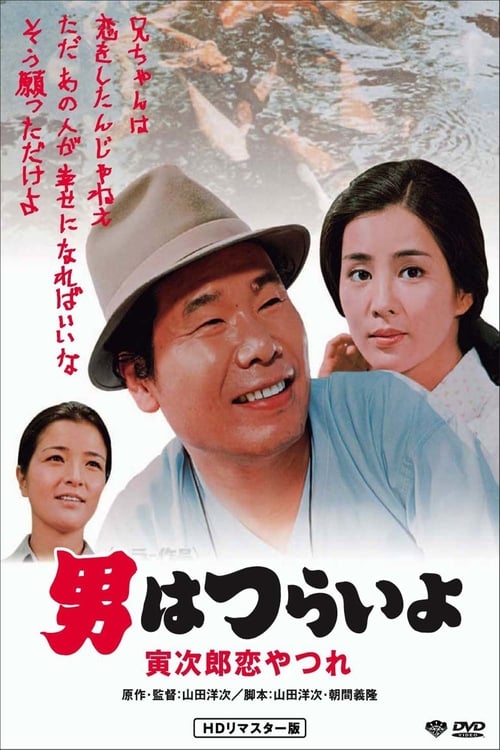
1974
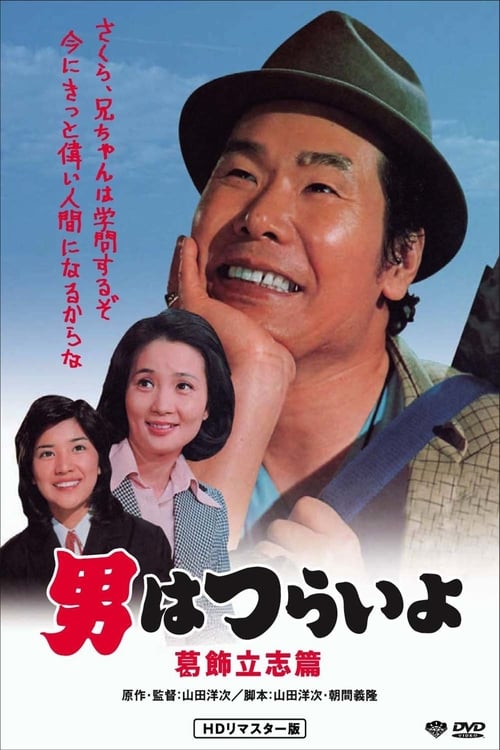
1975
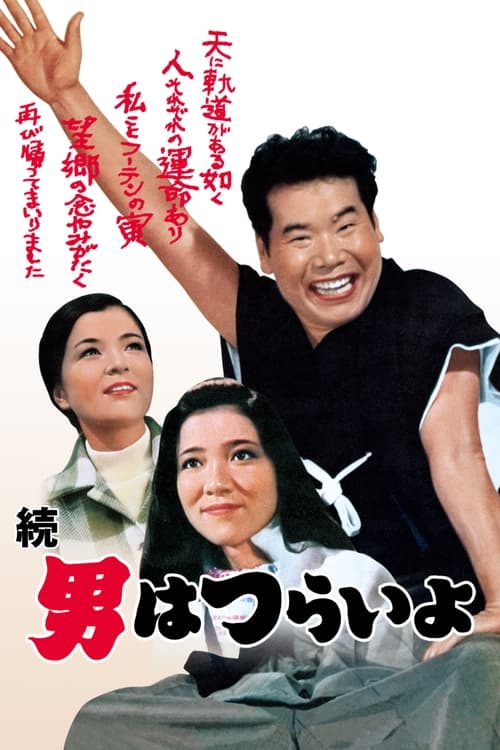
1969
No reviews yet. Be the first to share your thoughts on this movie!
Use the rating form above to leave a star rating and optional review.