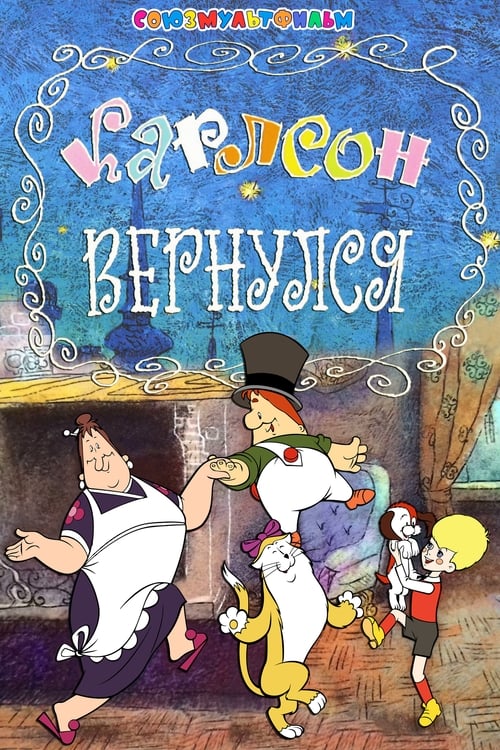
Karlson Returns
1970
No user ratings available yet
Diversity score: 4.5 out of 10
1968
Director
Boris Stepantsev
Runtime
18 minutes
Average Rating
No ratings yetSynopsis
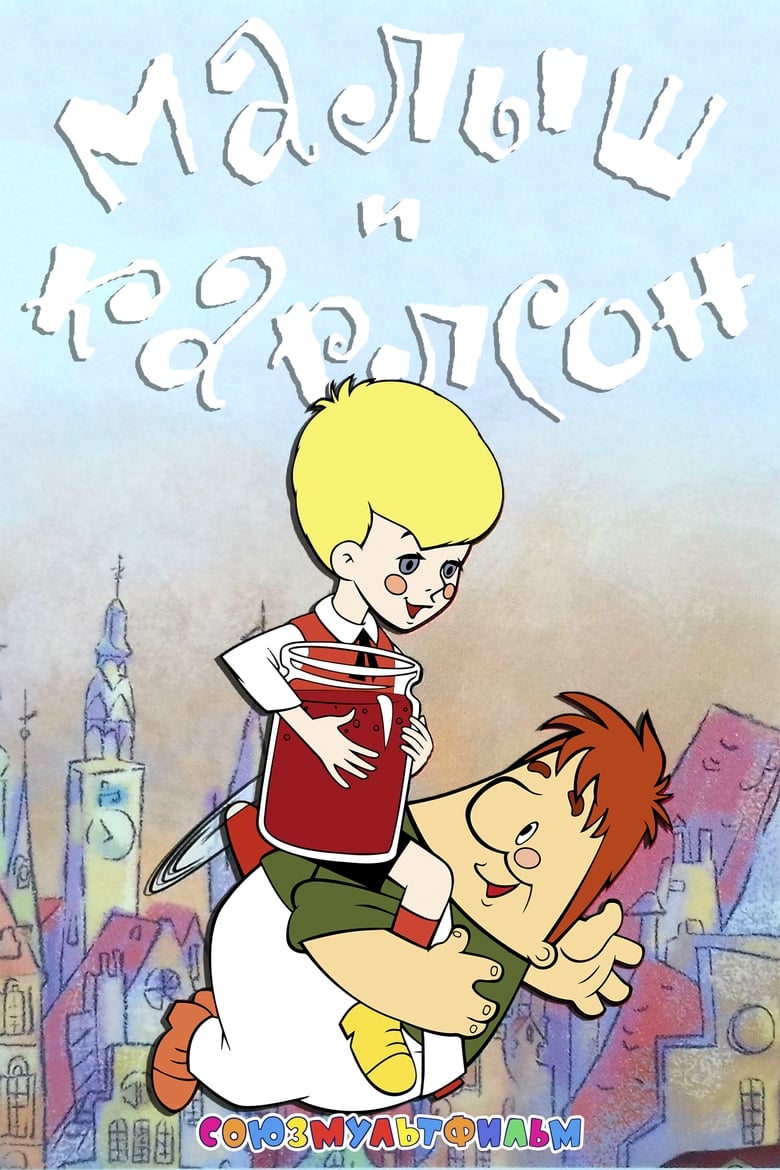
A Soviet cult cartoon, so untypical for a Western viewer, especially, a little one. A boy named Malysh ("A Little One") suffers from solitude being the youngest of the three children in a Swedish family. The acute sense of solitude makes him desperately want a dog, but before he gets one, he "invents" a friend - the very Karlson who lives upon the roof. So typical for the Russian culture spirit of mischief, which is, actually, never punished, and the notion that relative welfare not necessarily means happiness made the book by Astrid Lindgren and its TV adaptations tremendously popular in the Soviet Union and nowadays Russia and vice versa - somewhat alienated to the Western reader and viewer (see User's comments below). However, both the book and the cartoon are truly universal - entertaining and funny for the children and thought-provoking and somewhat sad for grownups.
Overall Score
Fair
Category Breakdown
LGBTQ+ Representation
The story centers on a platonic bond between a child and a supernatural entity. No non-cisnormative identities or queer subtext are present in the character arcs.
Gender Representation
The film operates within a traditional domestic framework. While it avoids reinforcing masculine dominance, it lacks intentional subversion of gender roles, keeping the environment conventional.
Racial & Ethnic Diversity
The characters reflect a localized, homogeneous social context. There is no use of diverse ethnic ensembles or intentional intersectional layering within the setting.
Religious & Cultural Diversity
The film excels by framing mischief as a valid form of liberation rather than a moral failing. It critiques the idea that material welfare equates to emotional fulfillment.
Disability Representation
No characters with visible or invisible disabilities serve as central narrative drivers. The protagonist's solitude is treated as a universal emotion rather than a clinical portrayal.
Strengths
Areas for Improvement
AI Analysis
Junior and Karlson (1968) is a culturally distinct piece of animation that prioritizes imaginative autonomy over Western pedagogical norms. It finds its strength in a philosophical approach to childhood that values joy and mischief over rigid domestic structure. However, the film lacks representation in modern identity-based categories. It presents a homogeneous social world that does not engage with diverse racial, ethnic, or LGBTQ+ identities. Ultimately, the film is a study of emotional fulfillment versus material stability. While it misses contemporary diversity benchmarks, it offers a unique cultural perspective on social disruption and human connection.
1970

1965
1964
1981
1984

1987
2015
1974
1964
No reviews yet. Be the first to share your thoughts on this movie!
Use the rating form above to leave a star rating and optional review.