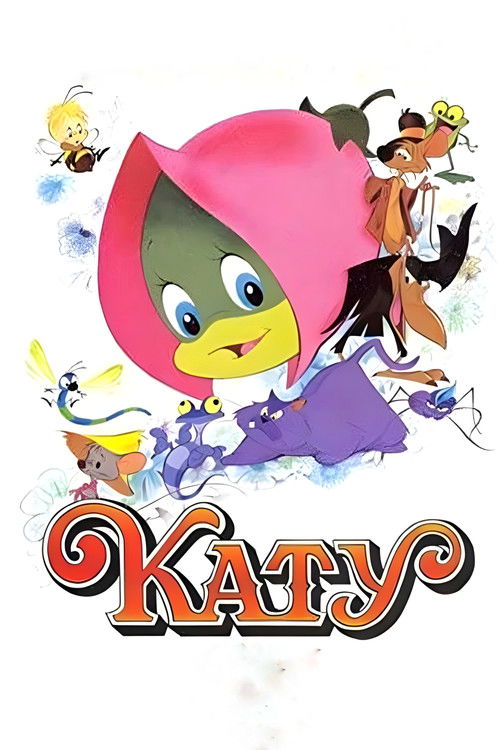
Katy Caterpillar
1984
No user ratings available yet
Diversity score: 3.8 out of 10
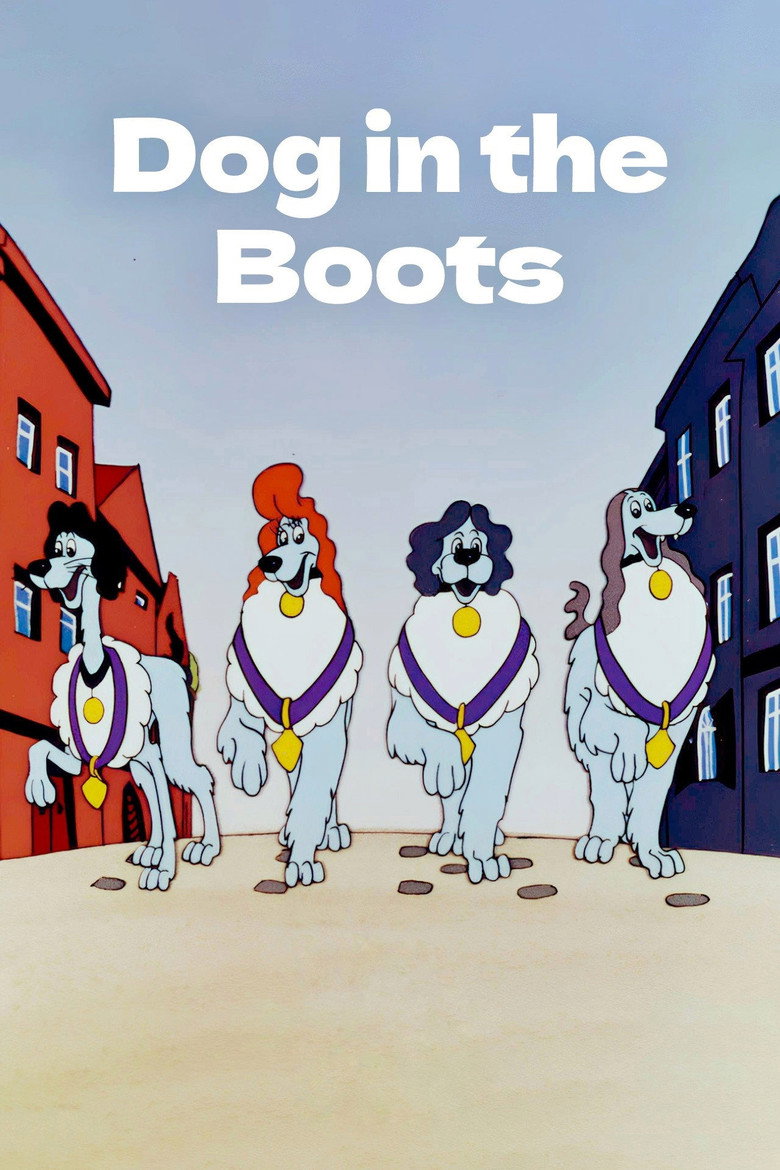
1981
Director
Yefim Gamburg
Runtime
20 minutes
Average Rating
No ratings yetSynopsis
The story about an enamored singing dog who isn't thoroughbred - that's a minus, but honorable - that's a plus.
Overall Score
Limited
Category Breakdown
LGBTQ+ Representation
The film lacks depictions of non-cisnormative identities or same-sex intimacy. The narrative follows traditional romantic tropes centered on a singular protagonist.
Gender Representation
The story focuses on an enamored protagonist, suggesting a conventional romantic arc. Character agency appears to follow traditional gender roles prevalent in early 80s animation.
Racial & Ethnic Diversity
The use of anthropomorphic characters serves as a social allegory rather than a tool for ethnic diversity. There is no evidence of intentional racial blending.
Religious & Cultural Diversity
Themes emphasize classical virtues like honor over the deconstruction of social institutions. The storytelling relies on traditional moral archetypes rather than modern secular frameworks.
Disability Representation
The film provides no evidence of characters with physical or neurodivergent disabilities.
Strengths
Areas for Improvement
AI Analysis
The Dog in Boots is a character-driven adventure that prioritizes classical moral storytelling over contemporary social representation. It functions within the collective social paradigm of 1981 Soviet animation, focusing on individual honor and virtue. Because the film utilizes anthropomorphic characters and traditional romantic tropes, it lacks the intentionality needed to disrupt social hierarchies. The narrative architecture is rooted in the era's conventional storytelling rather than intersectional or progressive frameworks. Ultimately, the film serves as a moral allegory. It lacks specific evidence of diverse racial, gender, or disability representation, adhering instead to the established norms of its time and origin.
1984
1964
1970
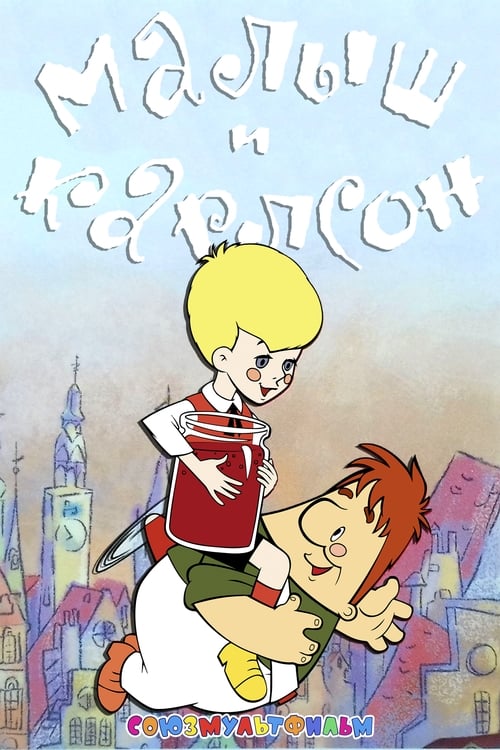
1968

1965
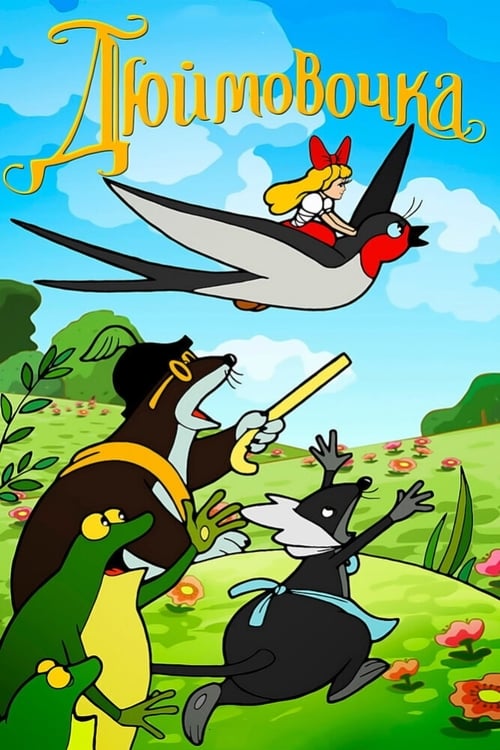
1964
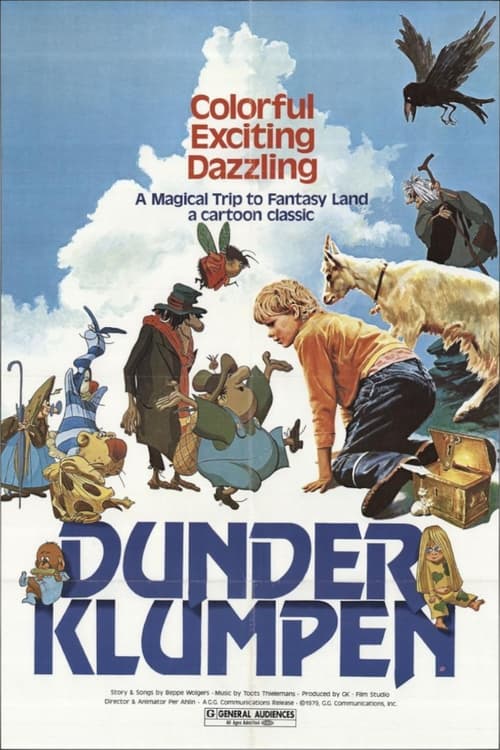
1974
No reviews yet. Be the first to share your thoughts on this movie!
Use the rating form above to leave a star rating and optional review.