Pachamama
2018
No user ratings available yet
Representation score: 4.2 out of 10
Representation Score
Limited
2013
Not RatedDirector
Alfredo Soderguit
Runtime
80 minutes
Average Rating
No ratings yetNew Showbiz Analysis
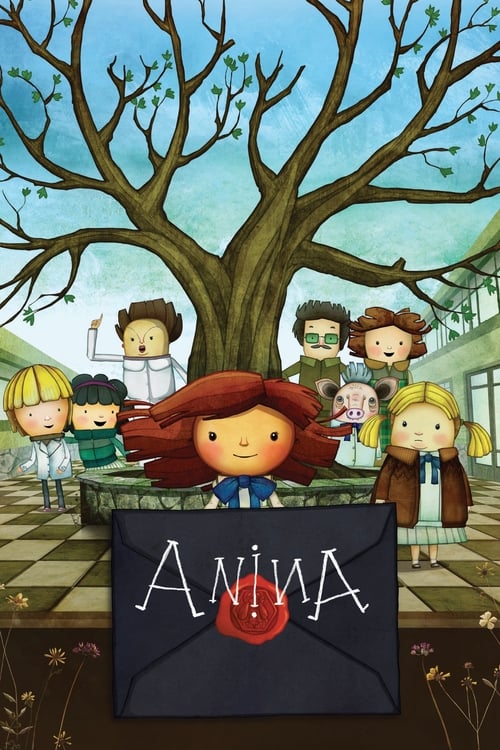
Anina is a poetic coming-of-age story that focuses on the micro-politics of childhood. By centering on the subjective experience of a young girl, the film challenges traditional genre conventions. One of the film's main strengths is its regional authenticity and its focus on female-centric storytelling. It avoids the homogenized feel of global animation by placing the characters in a specific Uruguayan coastal context. However, the narrative remains limited in its exploration of diverse identities. It does not address LGBTQ+ themes or include characters with physical or neurodivergent disabilities, focusing instead on universal emotional experiences.
Category Breakdown
The film does not feature any explicit LGBTQ+ characters or stories. It focuses on childhood friendships and the protagonist's inner world.
The story centers on the female experience and emphasizes female friendships over traditional male-centric adventure stories.
The film highlights a Latin American setting, offering a non-Anglo-centric perspective on coming-of-age stories.
The narrative prioritizes a child's personal viewpoint over strict institutional rules. It explores ethical dilemmas in a nuanced way rather than following a single moral code.
The film does not prominently depict physical or neurodivergent disabilities. Such identities do not play central roles in the plot or character development.
Present on Screen
Limited or Absent
Official Synopsis
Anina Yatay Salas is a ten-year-old whose name spells trouble: those three palindromes in a row are an ongoing source of teasing at school. When a playground fight results in mysterious punishment, Anina will learn to put her problems in perspective and empathize with others in this sweet little daydream of a tale.
2018
2018
2013
2015
1984
2015
2013
2015
No reviews yet. Be the first to share your thoughts on this movie!
Use the rating form above to leave a star rating and optional review.