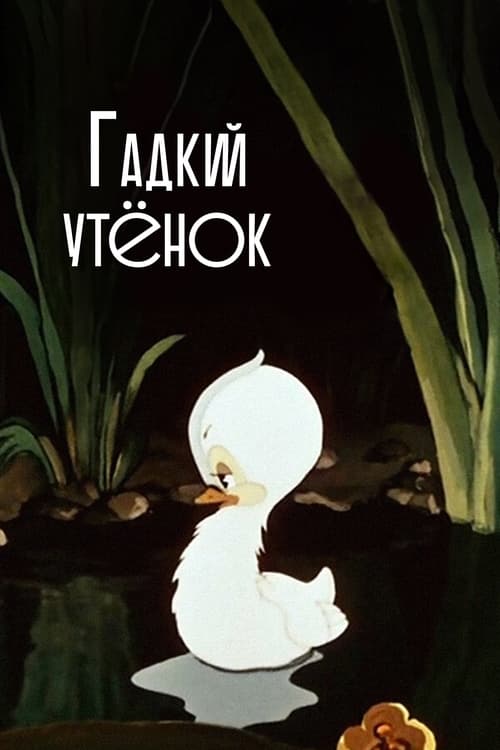
The Ugly Duckling
1956
No user ratings available yet
Representation score: 4.9 out of 10
Representation Score
Minimal
1964
Director
Leonid Amalrik
Runtime
30 minutes
Average Rating
No ratings yetNew Showbiz Analysis
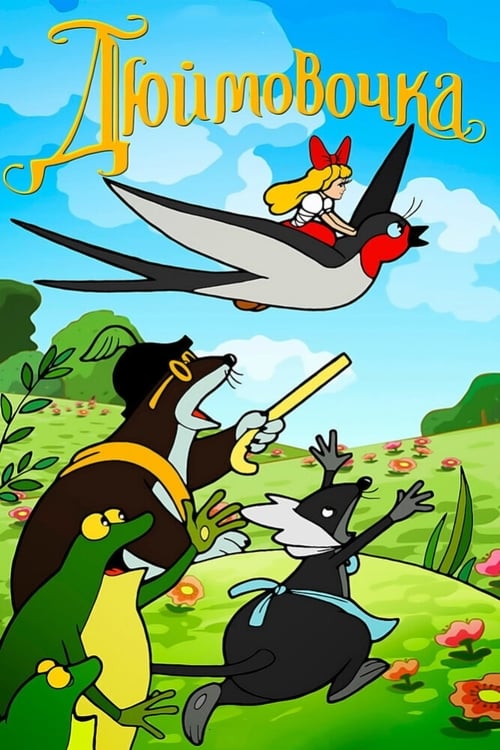
Thumbelina (1964) is a traditionalist adaptation of a classic literary work. It adheres closely to mid-century storytelling conventions, focusing on established folklore rather than modern social complexities. The film's structure prioritizes a singular moralistic view of destiny. This results in a narrative that lacks exploration of diverse cultural perspectives or disruption of social hierarchies. Ultimately, the production reflects the homogeneous cultural and aesthetic standards of its era, offering a conventional experience rather than a diverse one.
Category Breakdown
The film follows a traditional storyline focused on heterosexual relationships. There are no representations of non-binary gender identities or stories that challenge typical romantic structures.
Thumbelina is a female character who navigates a world dominated by external forces. However, her role often revolves around survival and being rescued.
The production reflects a Eurocentric aesthetic typical of 19th-century fairy tales. It lacks diverse ethnic representation or non-human metaphors for different racial identities.
The story functions as a traditional moral fable centered on destiny and romantic fulfillment. It lacks exploration of diverse cultural perspectives or subversion of institutional norms.
The narrative does not include characters with visible or invisible disabilities. Such traits are not used as narrative devices within the story.
Present on Screen
Limited or Absent
Official Synopsis
A story based on the popular Hans Christian Anderson fairy tale "Thumbelina".
1956
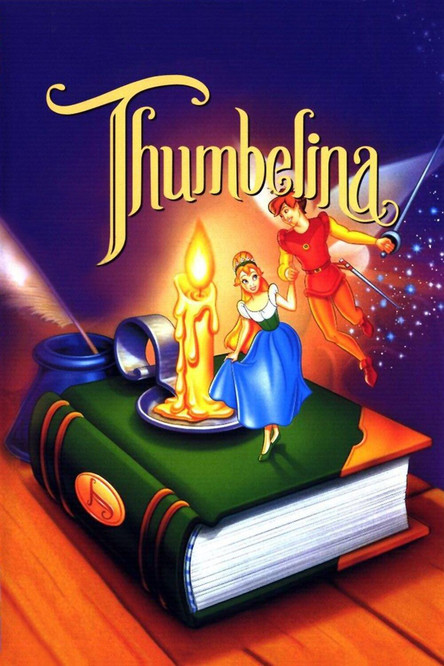
1994
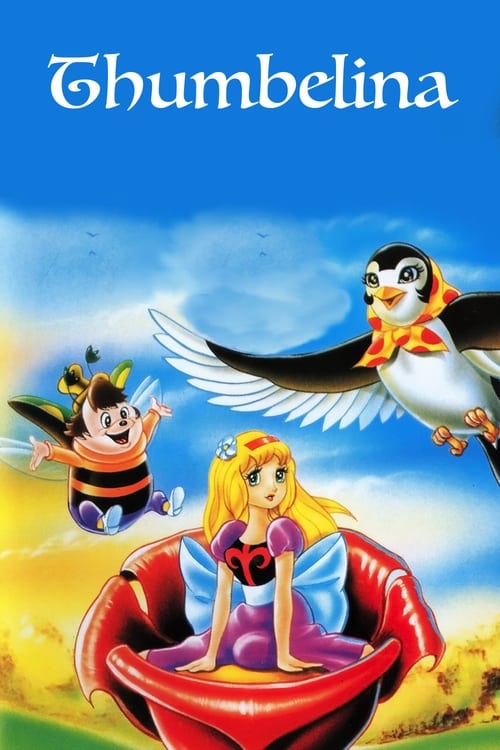
1978
1965
1979
1968
1971

1962
No reviews yet. Be the first to share your thoughts on this movie!
Use the rating form above to leave a star rating and optional review.