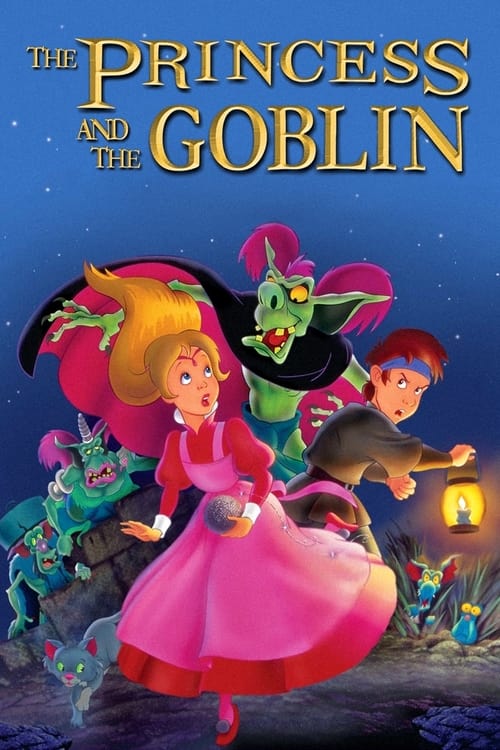
The Princess and the Goblin
1991
No user ratings available yet
Diversity score: 4.4 out of 10
1965
Director
Boris Stepantsev
Runtime
19 minutes
Average Rating
No ratings yetSynopsis
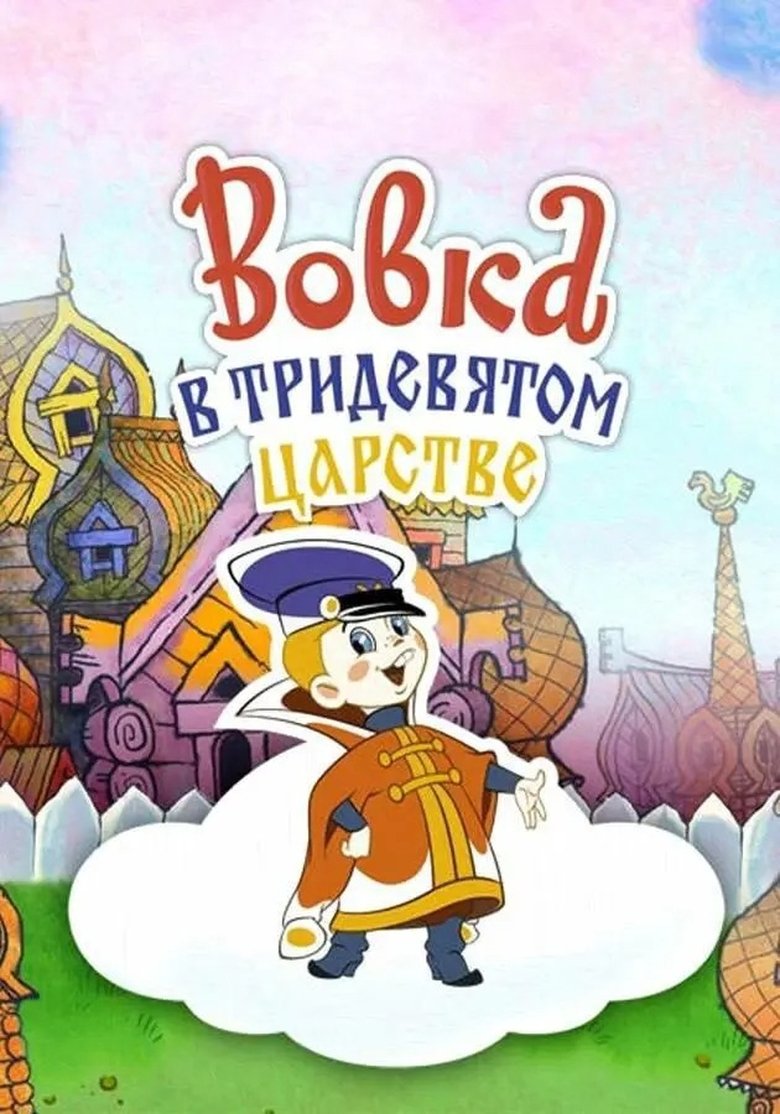
A schoolboy gets into a fairy tale with the help of a librarian and DIY book. But life in the magical land is not as easy as it seems.
Overall Score
Limited
Category Breakdown
LGBTQ+ Representation
The film operates within a conventional heteronormative framework. There are no depictions of non-cisnormative gender identities or same-sex intimacy.
Gender Representation
The story centers on a male protagonist, Vovka, whose journey drives the plot. Female characters function within established fairy-tale tropes that do not challenge patriarchal structures.
Racial & Ethnic Diversity
Character designs are archetypal and lack intentional racial or ethnic diversity. The visual language reflects a homogeneous aesthetic typical of Soviet-era children's media.
Religious & Cultural Diversity
The narrative prioritizes a structured, moralistic adventure aligned with Soviet-era collective frameworks. It does not engage in radical critiques of traditional institutions.
Disability Representation
Characters are depicted as able-bodied archetypes. There is no visible or invisible disability portrayed with agency or used as a narrative device.
Strengths
Areas for Improvement
AI Analysis
Vovka in the Kingdom of Far Far Away is a traditional fairy-tale adventure that prioritizes moralistic storytelling over social subversion. The film relies heavily on established archetypes that reinforce existing social hierarchies rather than challenging them. The narrative is centered on a singular male hero, leaving little room for diverse perspectives or varied gender agency. This focus, combined with a homogeneous visual style, results in a lack of intersectional representation. Ultimately, the film is a product of its historical context, emphasizing communal values and traditional structures rather than progressive identity politics.
No reviews yet. Be the first to share your thoughts on this movie!
Use the rating form above to leave a star rating and optional review.