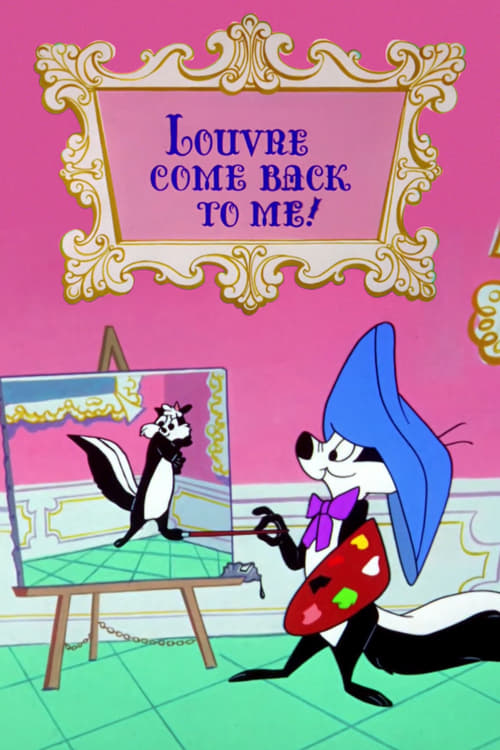
Louvre Come Back to Me!
1962
No user ratings available yet
Representation score: 1.6 out of 10

Representation Score
Minimal
1949
NRDirector
Chuck Jones
Runtime
7 minutes
Average Rating
No ratings yetNew Showbiz Analysis
Chuck Jones creates a technically skilled piece of animation centered on visual humor. The film operates as a self-contained system of humor that avoids broader social or cultural critique. The narrative structure depends on traditional archetypes and comedic formulas. It does not aim to break down existing social hierarchies or engage with progressive themes. Ultimately, the work is a classic example of its time, emphasizing stylized humor and comedic timing over diverse representation or social commentary.
Category Breakdown
The film focuses solely on traditional heterosexual relationships and does not include any LGBTQ+ identities or critiques of traditional romance.
The movie relies on conventional gender roles where the female character primarily supports the plot rather than having her own independent storyline.
The cast is made up of anthropomorphized animals, so there is no direct representation of human racial diversity. The setting uses European aesthetics but does not explore multiple layers of diversity.
The story follows a typical mid-century Western comedy style without questioning any religious or institutional norms. It maintains a traditional social order.
There are no representations of physical, sensory, or neurodivergent disabilities. Characters are defined by their animated traits rather than their lived experiences with disabilities.
Present on Screen
Limited or Absent
Official Synopsis
Pepé Le Pew invades a Parisian perfumery, where he sniffs the various scents. The shopkeeper runs in horror and recruits a female cat to run the skunk out of the shop. She tosses the cat inside, and a bottle of dye falls over, accidentally painting a white stripe down the cat's back. Pepé gives chase...
1962
1961
1959
1955
1956
1957
1952
1947
No reviews yet. Be the first to share your thoughts on this movie!
Use the rating form above to leave a star rating and optional review.