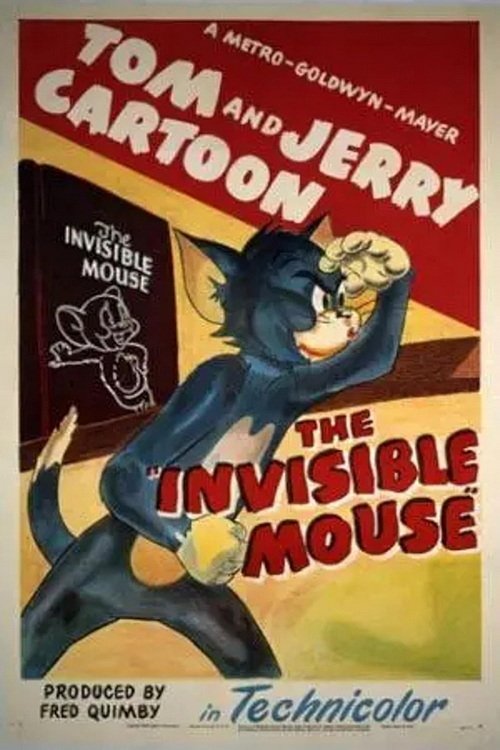
The Invisible Mouse
1947
No user ratings available yet
Representation score: 0.1 out of 10
Representation Score
Minimal
1965
ApprovedDirector
Chuck Jones
Runtime
6 minutes
Average Rating
No ratings yetNew Showbiz Analysis
Of Feline Bondage is a traditional comedic short that emphasizes slapstick humor and magical interventions over exploring identity. The narrative revolves around a repetitive cycle of conflict and reconciliation between two main characters. Since the film uses universalized, non-specific character types, it lacks complexity in representing multiple aspects of identity. The story adheres to the structural norms of 1960s animation, focusing on situational comedy rather than broader social critiques. Ultimately, the work centers on a character-driven power struggle without attempting to challenge social hierarchies or represent diverse human demographics through its anthropomorphic characters.
Category Breakdown
The story focuses on a conflict between two animal characters without showing any non-traditional gender identities or same-sex relationships.
Power dynamics remain tied to physical struggles between Tom and Jerry. Magic creates temporary changes but the overall power balance stays transactional.
The film uses anthropomorphic animals in a pool hall setting. There are no visible signs of racial or ethnic diversity or symbolic representations.
The setting and slapstick humor align with mid-century Western entertainment styles. The story follows a conventional arc focused on restoration rather than challenging societal norms.
The characters' actions follow standard comedic clichés of pursuit and mischief. There is no exploration of neurodivergence or physical disabilities.
Present on Screen
Limited or Absent
Official Synopsis
Tom chases Jerry around a pool hall. Jerry's fairy godmouse arrives, and Jerry tells the story; she gives him an invisibility potion. Jerry uses this to do some creative barbering on Tom, but when the potion wears off, Tom gets his revenge, and they both have a good laugh.
1947
1965
1965
1963
1965
1965
1964
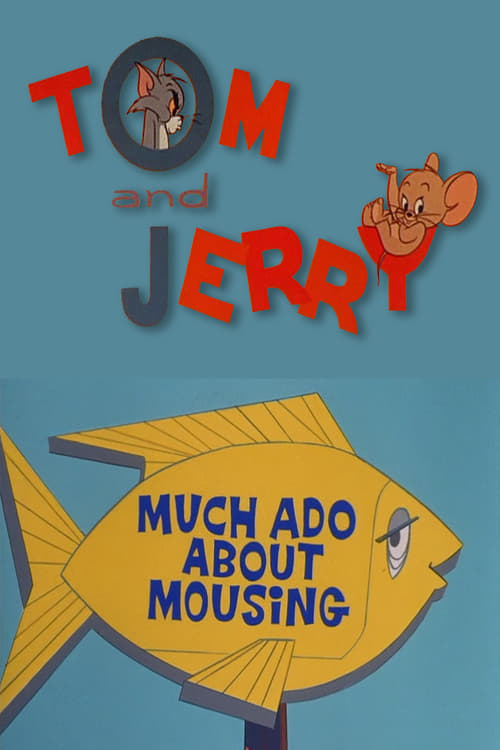
1964
No reviews yet. Be the first to share your thoughts on this movie!
Use the rating form above to leave a star rating and optional review.