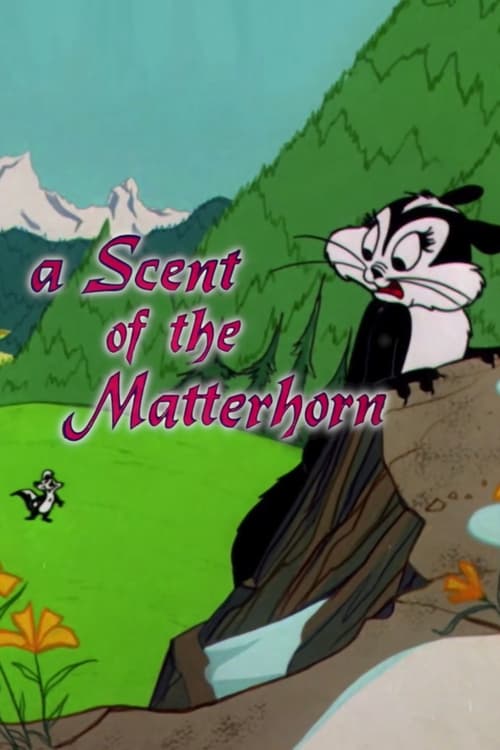
A Scent of the Matterhorn
1961
No user ratings available yet
Representation score: 1.7 out of 10
Representation Score
Minimal
1962
ApprovedDirector
Chuck Jones
Runtime
6 minutes
Average Rating
No ratings yetNew Showbiz Analysis
This 1962 Chuck Jones short is a product of its time, emphasizing slapstick comedy and traditional character types over social complexity. The narrative revolves around a biological misunderstanding between Pepe Le Pew and a female cat, focusing strictly on situational farce. The film does not intentionally represent diverse identities or challenge social hierarchies. Instead, it relies on well-established comedic clichés that do not engage with varied cultural or identity backgrounds. Ultimately, the work serves as a typical situational comedy, using a high-culture setting for irreverent humor without delving into deeper social or identity-based themes.
Category Breakdown
The film does not depict any non-cisgender identities or queer subtext, focusing solely on heterosexual relationships.
The female character is primarily reactive, lacking significant control over her own story and serving mainly as an object of pursuit.
The cast includes anthropomorphic animals set in a European context, with no meaningful representation of racial or ethnic diversity.
The film uses the Louvre as a comedic setting, treating the museum with slapstick humor without engaging in any anti-institutional narratives.
There are no depictions of physical, sensory, or neurodivergent disabilities, with character actions driven by instinct and accidental physical comedy.
Present on Screen
Limited or Absent
Official Synopsis
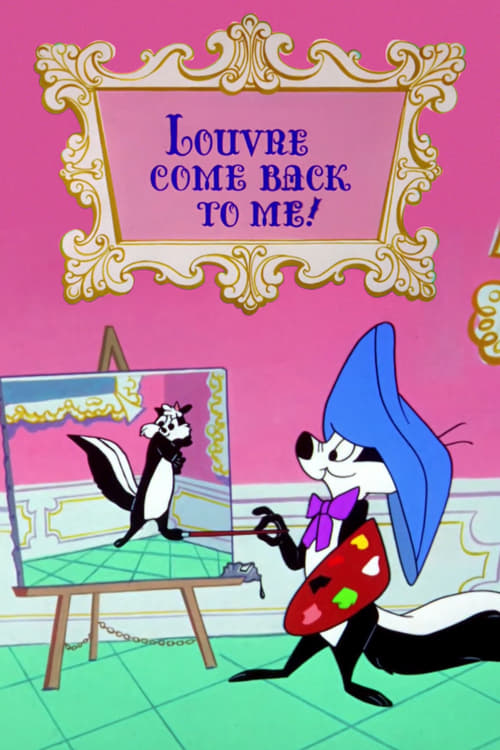
Pepe Le Pew, the eternally amorous skunk, is in Paris, where his stench sends a female cat upward to hit a freshly painted flagpole, which puts a white stripe on her back and causes Pepe to think she also is a skunk. He lustfully pursues her into the Louvre art gallery.
1961

1949
1957
1955
1956
1959
1960
1952
No reviews yet. Be the first to share your thoughts on this movie!
Use the rating form above to leave a star rating and optional review.