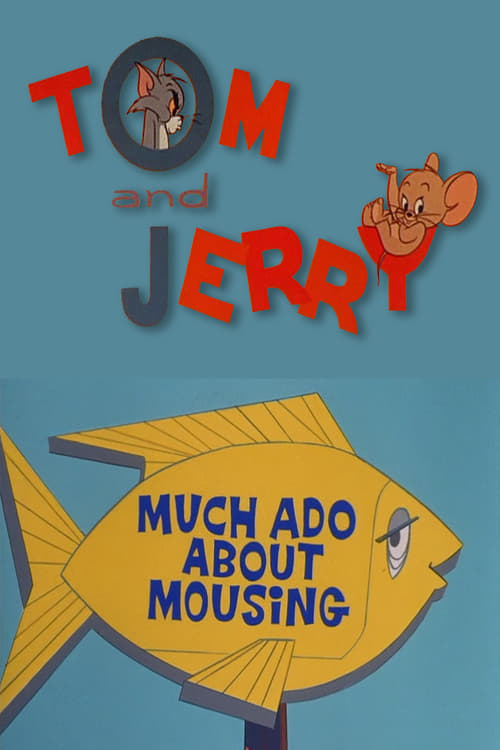
Much Ado About Mousing
1964
No user ratings available yet
Representation score: 2.3 out of 10
Representation Score
Minimal
1965
ApprovedDirector
Chuck Jones
Runtime
6 minutes
Average Rating
No ratings yetNew Showbiz Analysis
The film is a standard comedic vignette that prioritizes traditional slapstick pacing over progressive narrative development. It relies on the classic underdog cliché, where the smaller character seeks external tools to disrupt the status quo. While Chuck Jones is known for sophisticated character psychology, this specific work does not engage with multi-layered identity politics. The narrative structure remains a self-contained comedic loop typical of mid-century animation. Ultimately, the film operates within a narrow framework of consumerism and physical conflict, offering no meaningful engagement with social hierarchies or diverse human experiences.
Category Breakdown
The film doesn't include any representation of LGBTQ+ identities. The story revolves around animal-based slapstick humor.
Characters follow traditional predator and prey roles. While Jerry gains some control by ordering a dog, the gendered power dynamics don't challenge conventional hierarchies.
Since the film features anthropomorphic animals, there is no racial or ethnic casting. There are no human racial hierarchies present.
The story reflects a capitalist framework through the use of a catalog to resolve conflicts. It lacks any systemic critique or religious themes.
There is no indication of characters dealing with neurodivergence or physical disabilities. The actions are driven by standard cartoon physics and predatory instincts.
Present on Screen
Limited or Absent
Official Synopsis
Jerry orders a vicious dog from a catalog, but when it arrives, it's even smaller than Jerry. However, despite its size, it launches an impressive attack on Tom
1964
1944

1964
1965
1941
1965
1953
1965
No reviews yet. Be the first to share your thoughts on this movie!
Use the rating form above to leave a star rating and optional review.