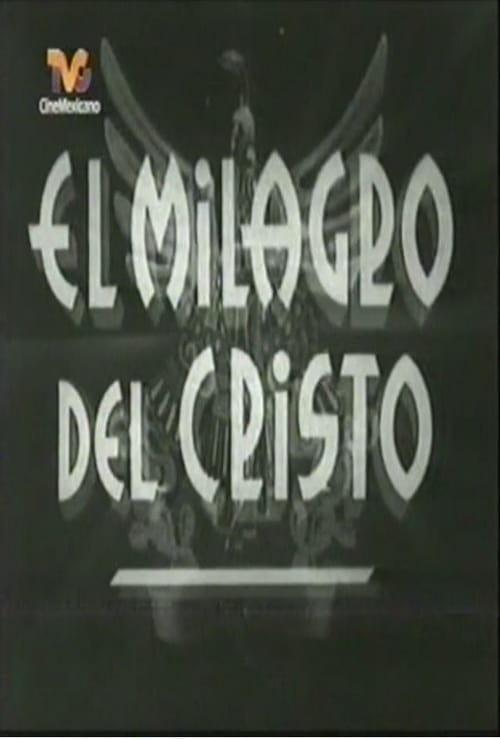
El milagro de Cristo
1941
No user ratings available yet
Representation score: 1.8 out of 10

Representation Score
Minimal
1942
Director
Antonio Helú
Runtime
77 minutes
Average Rating
No ratings yetNew Showbiz Analysis
Antonio Helú’s 1942 drama is a product of the Golden Age of Mexican cinema, characterized by strict social hierarchies. The film aligns closely with the conventional moral and social structures typical of 1940s Latin American cinema. The work adheres to established studio systems, lacking any evidence of progressive or subversive elements. Its representation remains consistent with the cultural context of the time, without challenging traditional norms. Overall, the film reflects the conservative framework of its era, focusing on traditional dramatic structures rather than diverse or underrepresented perspectives.
Category Breakdown
The film does not include any characters with non-binary or transgender identities. It also does not challenge the idea that everyone is straight or cisgender.
The film features several prominent actresses, but there is no indication that it challenges traditional gender roles or hierarchies. It focuses on female characters within the context of the era's standards.
The film has a predominantly Mexican cast, reflecting the country's diverse population. However, it does not actively challenge or subvert racial stereotypes.
The movie adheres to traditional Western and Catholic moral frameworks, emphasizing stable family structures and social order. It does not explore secularist themes or challenge religious norms.
There is no information available regarding the depiction of physical disabilities or neurodivergence within this film.
Present on Screen
Limited or Absent
Official Synopsis
A 1942 film.
1941

2010
1949
1945
1947
1940

1941
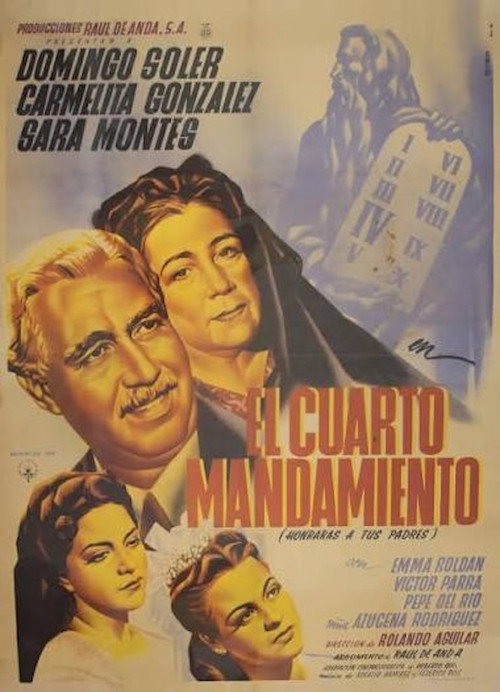
1948
No reviews yet. Be the first to share your thoughts on this movie!
Use the rating form above to leave a star rating and optional review.