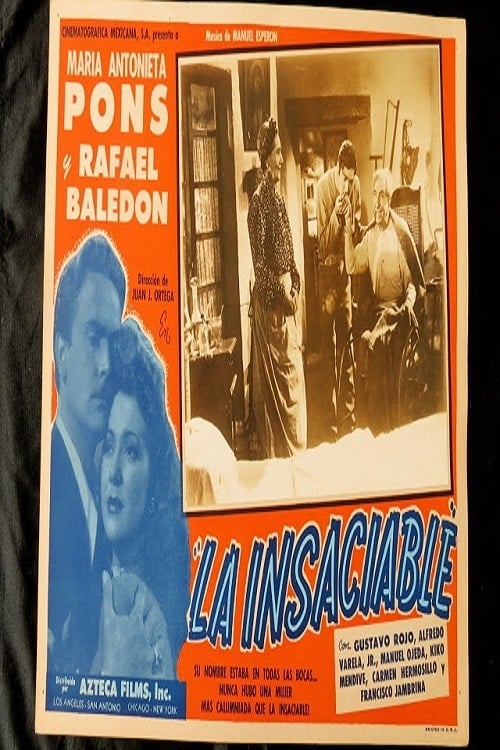
La insaciable
1947
No user ratings available yet
Representation score: 1.9 out of 10
No Poster Available
Representation Score
Limited
1949
Director
Jaime de Mayora
Runtime
114 minutes
Average Rating
No ratings yetNew Showbiz Analysis
El sótano is a product of its specific historical and regional context, mirroring the rigid social hierarchies of the late 1940s. The film lacks a multi-layered approach, opting instead to align with the era's prevailing moral and institutional values. The production appears to favor homogeneity across gender, race, and identity. Rather than challenging social norms, the work functions as a reflection of the traditionalist structures common to mid-century dramatic cinema.
Category Breakdown
The film does not depict any non-straight identities or same-sex relationships, reinforcing the assumption that everyone is straight or cisgender. It adheres to the straight-centered structures typical of 1949 cinema.
Female characters likely adhere to conventional domestic or submissive roles. There is no evidence of women exercising significant control over the story or subverting patriarchal leadership.
The casting appears homogeneous, reflecting the era's standard industry practices. There is no indication of a multi-ethnic cast or characters of color possessing significant influence.
The narrative likely functions within established moral and religious frameworks. It emphasizes traditional social cohesion rather than secularist or anti-traditionalist themes.
There is no evidence of characters with disabilities portrayed with significant influence. Such roles in this era were often relegated to tragic plot devices.
Present on Screen
Limited or Absent
1947
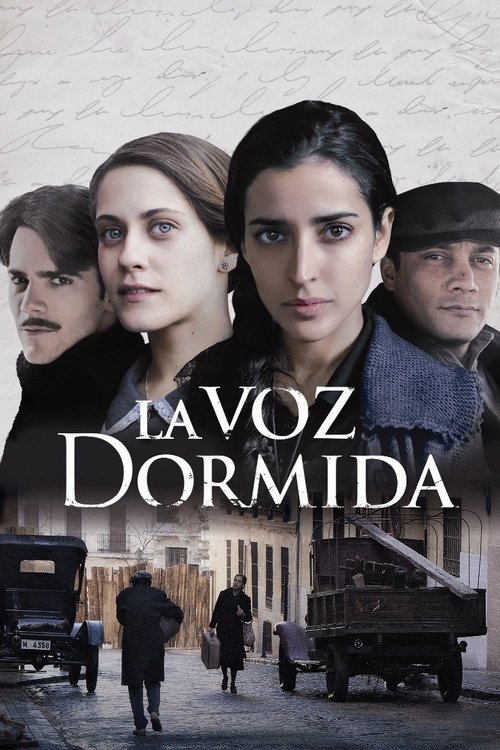
2011
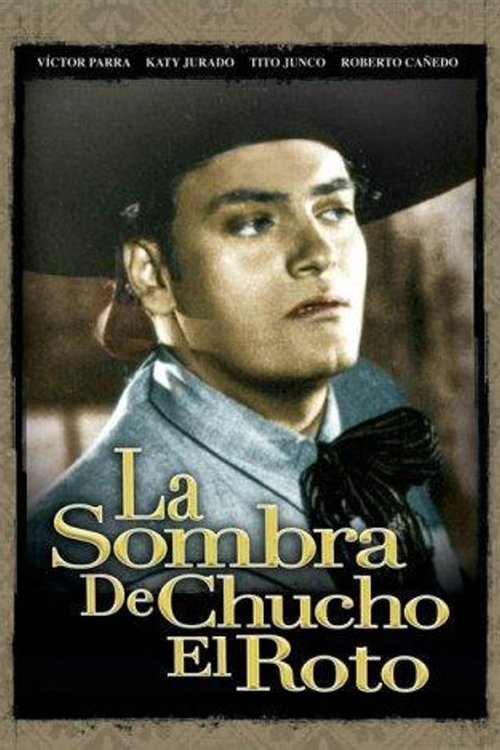
1945
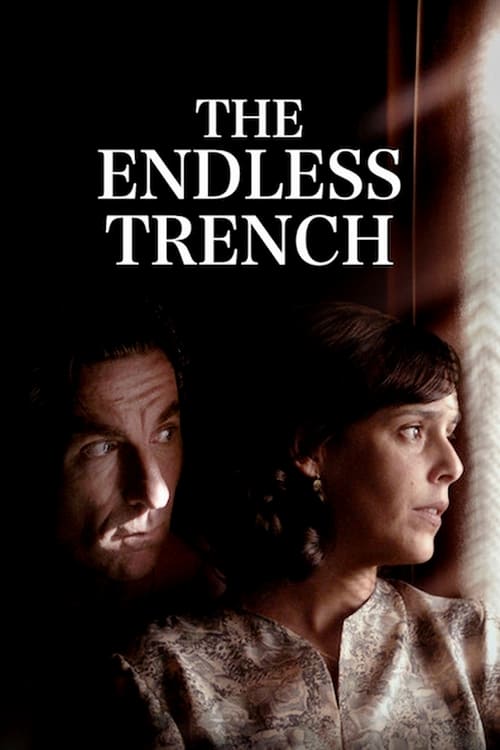
2019
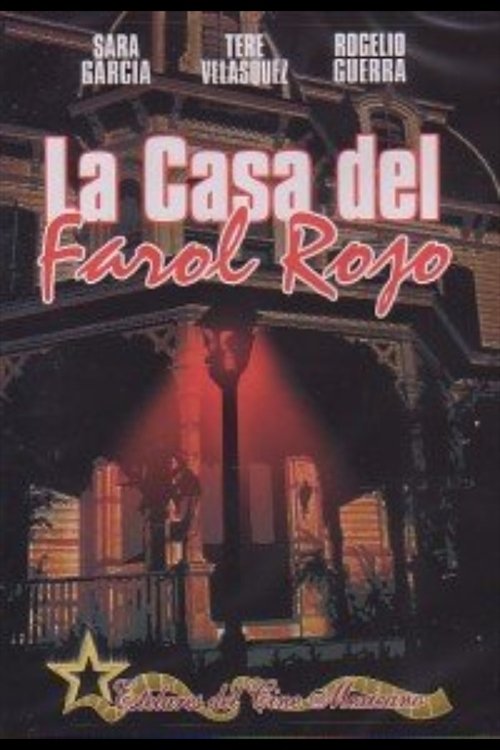
1971
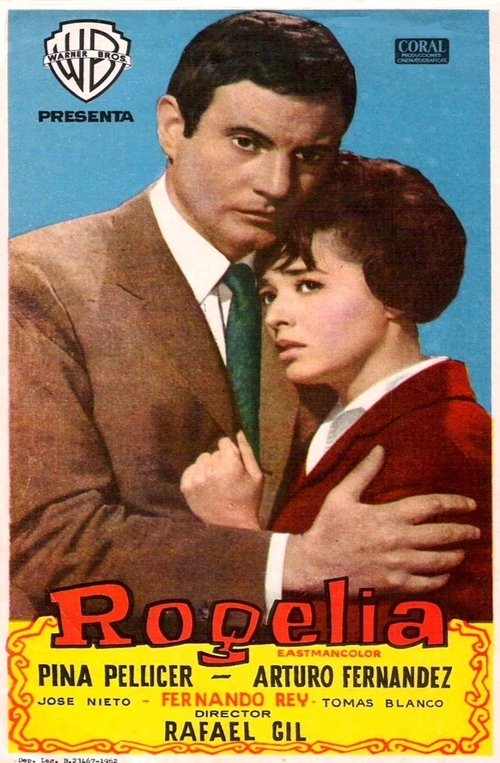
1962
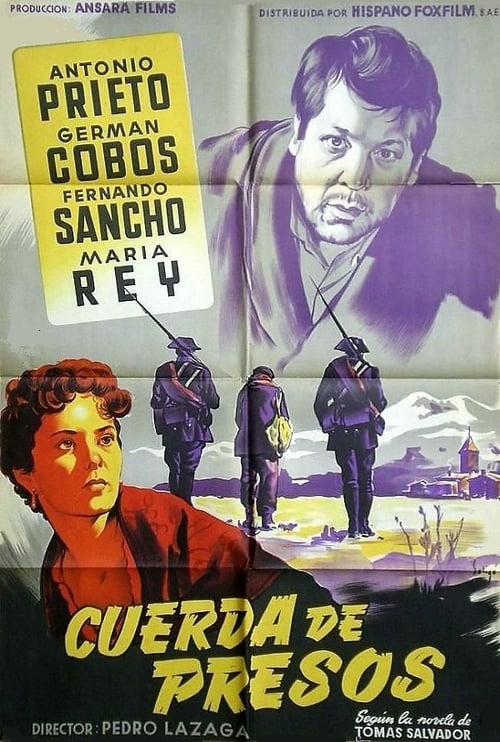
1956
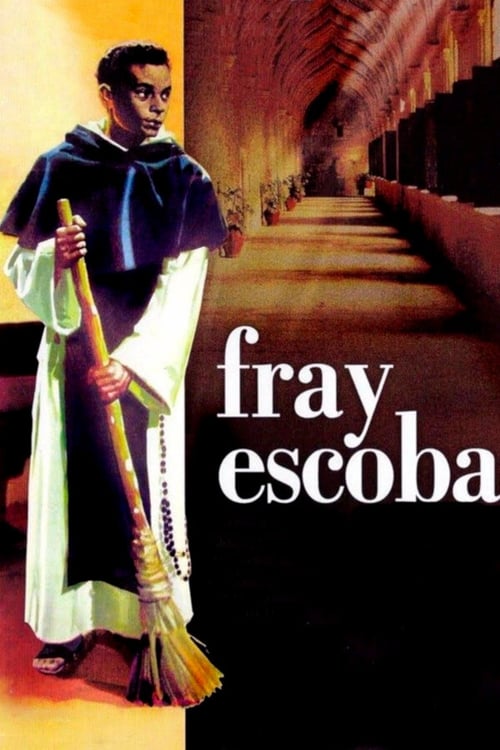
1961
No reviews yet. Be the first to share your thoughts on this movie!
Use the rating form above to leave a star rating and optional review.