
¡Cuando la tierra tembló!
1942
No user ratings available yet
Representation score: 0.9 out of 10
Representation Score
Minimal
1941
Director
Francisco Elías
Runtime
102 minutes
Average Rating
No ratings yetNew Showbiz Analysis
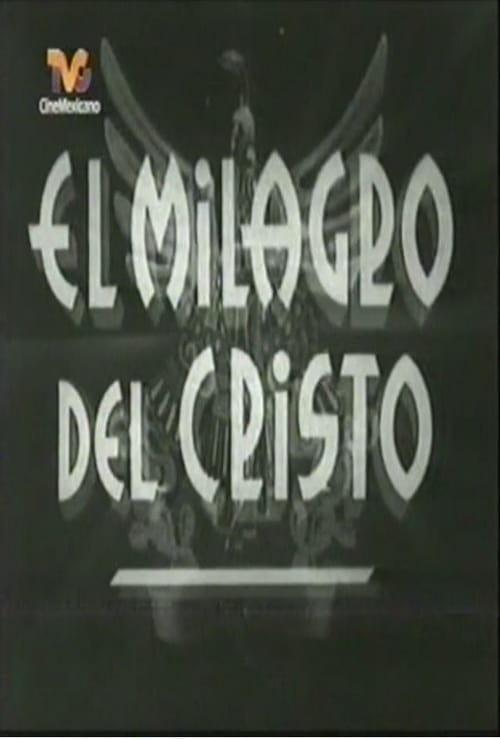
El milagro de Cristo is a period-specific drama that appears to function as a traditionalist narrative. It aligns with the socio-religious constraints of 1941 Mexican cinema, likely reinforcing established cultural and religious hierarchies rather than challenging them. The film's focus on Christian morality suggests a framework rooted in traditional Western values. While it provides regional representation as a Mexican production, it lacks evidence of multi-layered depth or subversive storytelling. Overall, the work reflects the cinematic conventions of its era, prioritizing religious themes and standard social structures over diverse or non-traditional perspectives.
Category Breakdown
The film likely adheres to the assumption that everyone is straight or cisgender. There is no evidence of non-straight or non-cisgender identities or critiques of this assumption.
Dramas of this era typically reinforce traditional gender hierarchies. Women are often portrayed in domestic or sacrificial roles within religious or familial frameworks.
As a Mexican production, the film features a non-Anglo-Saxon cast. However, there is no specific detail regarding the way different parts of someone's identity overlap.
The title suggests a narrative centered on Christian morality and divine intervention. It likely prioritizes singular religious ideals over secularism or moral relativism.
There is no verifiable evidence regarding the inclusion of characters with physical or neurodivergent disabilities.
Present on Screen
Limited or Absent
Official Synopsis
A 1941 Mexican film.
1942

2011
1940
1948
1945
1949

1947
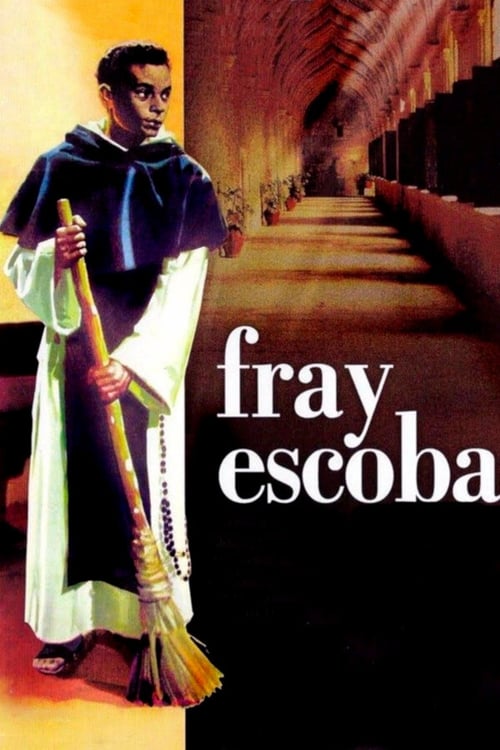
1961
No reviews yet. Be the first to share your thoughts on this movie!
Use the rating form above to leave a star rating and optional review.