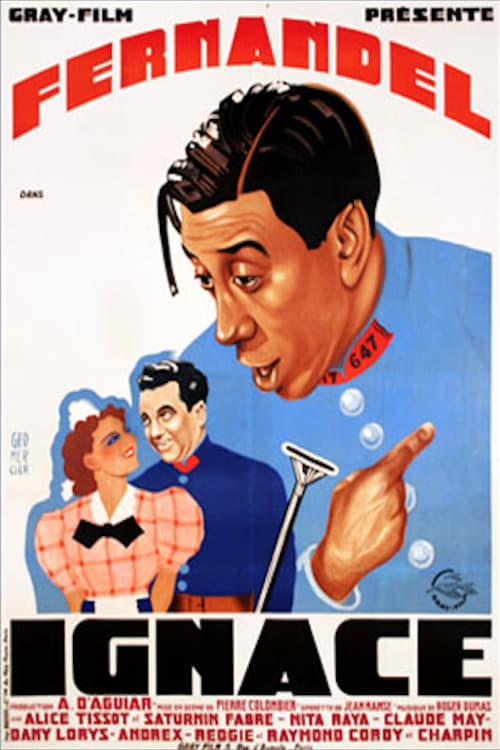
Ignace
1937
No user ratings available yet
Representation score: 0.4 out of 10
Representation Score
Minimal
1933
Director
Maurice Cammage
Runtime
80 minutes
Average Rating
No ratings yetNew Showbiz Analysis
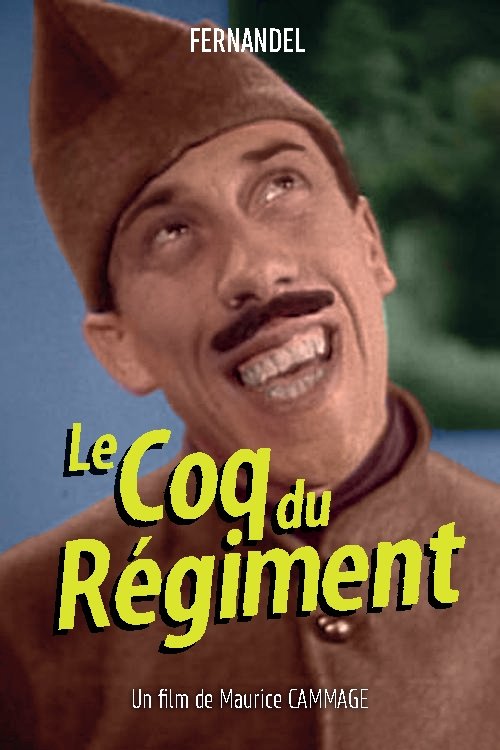
Le Coq du régiment is a typical comedy from the early 1930s that upholds the social hierarchies of French cinema during that time. The narrative revolves around a lieutenant's pursuit of women, establishing a framework of traditional gender roles. The film relies on well-established comedic clichés of the era, centered on military life and infidelity. It does not provide any evidence of intentional characters who reflect more than one aspect of diversity or subversion of systemic norms. Overall, the work serves as a conventional situational comedy that aligns with the moral and social norms of its time.
Category Breakdown
The film focuses on heterosexual relationships and infidelity. There are no representations of LGBTQ+ identities or critiques of heterosexist assumptions.
The narrative follows a traditional gender hierarchy where women primarily serve as objects of desire or catalysts for the male protagonist's comedic situations.
The film reflects the homogeneous society of 1933 France. There is no indication of diverse casting or challenging Eurocentric norms.
The story is set within traditional military and marital contexts. It uses these settings as backdrops for situational comedy without critiquing them.
There is no mention of characters with physical or neurodevelopmental disabilities in the synopsis.
Present on Screen
Limited or Absent
Official Synopsis
The story is about a lieutenant, nicknamed "the Rooster of the Regiment", a married man, who just can't help running after any woman passing around, and one of his friend, who always has "good ideas" to give him a hand to come out of "ubuesque" situations.
1937
1932
1953

1968
1959
1935

1981

1953
No reviews yet. Be the first to share your thoughts on this movie!
Use the rating form above to leave a star rating and optional review.