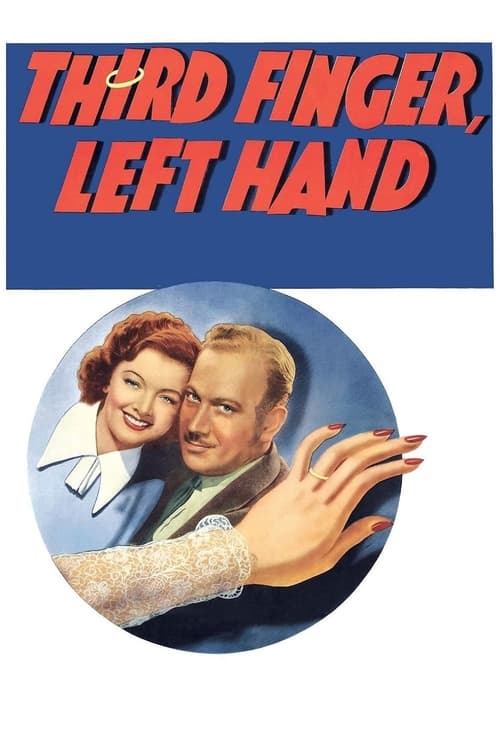
Third Finger, Left Hand
1940
No user ratings available yet
Representation score: 0.4 out of 10
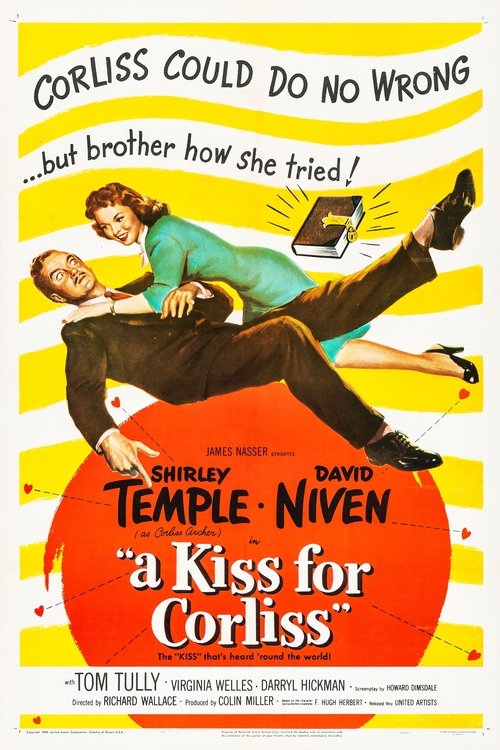
Representation Score
Minimal
1949
ApprovedDirector
Richard Wallace
Runtime
88 minutes
Average Rating
No ratings yetNew Showbiz Analysis
A Kiss for Corliss exemplifies the typical 1949 Hollywood film. It emphasizes conventional romantic comedy clichés and moral codes without challenging the social norms of the time. The structure of the film supports the status quo, focusing on traditional heterosexual relationships and a predominantly white social setting. It lacks the depth needed to challenge the era's systemic norms. Overall, the film serves as a standard example of mid-century mainstream cinema, reinforcing established social structures without disrupting them.
Category Breakdown
The film follows the conventions of the 1940s, assuming everyone is straight and cisgender. There is no depiction of same-sex relationships or diverse gender identities.
Corliss Archer uses her musical talent and romantic strategies to navigate traditional social roles. However, her actions are still influenced by the societal norms of her time.
The film reflects the homogeneous society of its era, featuring a predominantly white cast with no significant racial or ethnic diversity.
The story fits within the context of traditional Western culture and capitalism. It upholds the social norms of the mid-20th century without questioning religious or cultural institutions.
The film does not include any characters with visible or invisible disabilities, such as neurodivergence or physical impairments.
Present on Screen
Limited or Absent
Official Synopsis
After a brief encounter with the romantic and thrice divorced Kenneth Marquis, Corliss Archer decides to write in her diary that they are together in order to make her boyfriend Dexter jealous. Corliss' father had also served as attorney representing Kenneth Marquis' ex-wife during his most recent divorce trial. When Corliss and Dexter don't come home one evening until five in the morning, Corliss decides to pretend to have amnesia to avoid the inevitable punishment awaiting her.
1940
1948
1948

1944

1946
1939
1940

1942
No reviews yet. Be the first to share your thoughts on this movie!
Use the rating form above to leave a star rating and optional review.