The Great Battle
2018
No user ratings available yet
Representation score: 4.5 out of 10
Representation Score
Fair
2017
NRDirector
Hwang Dong-hyuk
Runtime
140 minutes
Average Rating
No ratings yetNew Showbiz Analysis
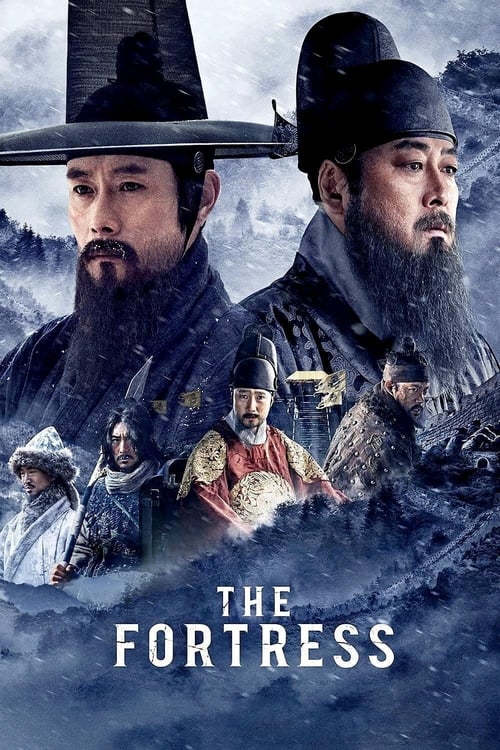
The Fortress offers a sophisticated critique of traditional notions of national pride and leadership. Instead of glorifying patriotism, it delves into the complexities of moral ambiguity and the failure of established systems. The film examines the tension between upholding a nation and ensuring the survival of its people, providing a nuanced perspective on sovereignty.
Category Breakdown
The film does not include any representation of LGBTQ+ identities or non-binary gender roles. It stays true to the historical context of 17th-century Joseon, where there is no visible presence of diverse sexual orientations or gender identities.
The story centers around masculine power structures such as military command, reinforcing traditional gender roles. Female characters are present but play minor roles in the main conflict.
The plot highlights the geopolitical tensions between Joseon and Manchu identities. The cast is primarily Korean, but the Manchu invaders are portrayed as a distinct ethnic group representing an opposing force.
The film questions the rigid adherence to traditional values by contrasting honorable sacrifice with pragmatic survival. It critiques how outdated institutions can hinder effective responses to crises.
The film does not emphasize neurodivergence or physical disabilities as key drivers of the narrative. The impact of war on individuals is shown but not explored in depth.
Present on Screen
Limited or Absent
Official Synopsis
Ancient Korea, 17th century. The powerful Khan of the Jurchen tribe of Manchuria, who fights the Ming dinasty to gain China, becomes the first ruler of the Qing dinasty and demands from King In-jo of Joseon to bow before him; but he refuses, being loyal to the Mings. On December 14th, 1636, the Qing horde invades Joseon, so King In-jo and his court shelter in the mountain fortress of Namhan and prepare to defend the kingdom.
2018
2001
2008
2017
2017

2023
2011
2013
No reviews yet. Be the first to share your thoughts on this movie!
Use the rating form above to leave a star rating and optional review.