
Croon Crazy
1933
No user ratings available yet
Representation score: 1.4 out of 10
Representation Score
Minimal
1937
NRDirector
Frank Tashlin
Runtime
7 minutes
Average Rating
No ratings yetNew Showbiz Analysis
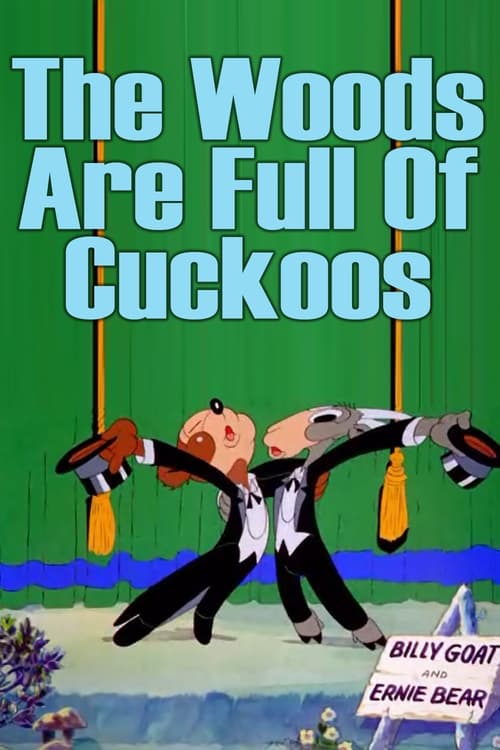
The Woods Are Full of Cuckoos is a rhythmic, short-form animated musical segment designed for entertainment rather than social commentary. Due to its use of anthropomorphic animals within a 1930s studio context, it lacks the structure to explore diverse identities. The film upholds the social and cultural norms of its time. Ultimately, the film prioritizes the organized entertainment industry of the era over complex character development or critical examination of societal structures.
Category Breakdown
The film features anthropomorphic animals in a variety show format. It does not depict any non-binary gender identities or same-sex relationships, sticking to the assumption that everyone is straight or cisgender.
Gender roles follow traditional stereotypes common in 1930s animation. There is no indication of women taking a leading role or challenging the established male leadership.
The cast is made up of forest animals, creating a homogeneous environment without exploring human racial diversity. Animal characters are not used as metaphors to discuss racial issues.
The story highlights a 'Woodland Community' through a radio variety show, emphasizing traditional community bonds without questioning institutional norms.
The focus on a swing variety show implies a standard of physical ability. No characters are shown with visible or invisible disabilities.
Present on Screen
Limited or Absent
Official Synopsis
Forest animals participate in the Woodland Community Swing Variety Show on radio station KUKU.
1933
1938
1935
1938
1935
1934
1933
1935
No reviews yet. Be the first to share your thoughts on this movie!
Use the rating form above to leave a star rating and optional review.