Mutts About Racing
1958
No user ratings available yet
Representation score: 1.1 out of 10
Representation Score
Minimal
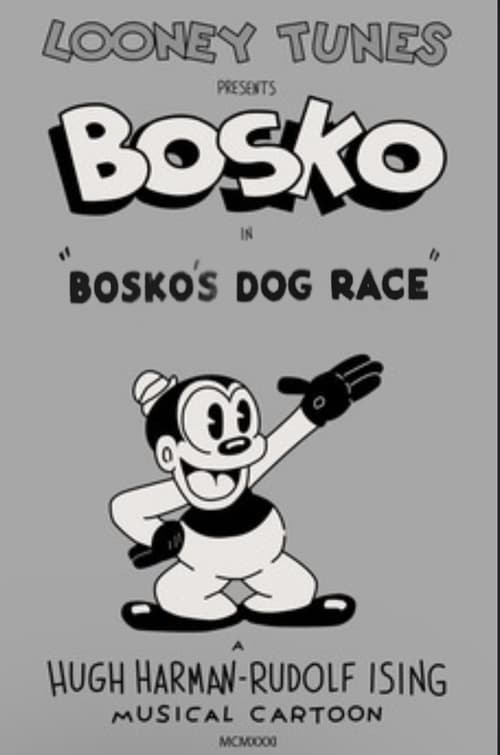
1932
Director
Hugh Harman
Runtime
8 minutes
Average Rating
No ratings yetNew Showbiz Analysis
Bosko's Dog Race is a product of the early 1930s animation industry, reflecting the biases of its time. While featuring a Black protagonist is historically significant, the execution relies heavily on racial caricatures and blackface aesthetics. The film's reliance on the restrictive visual language of the period prevents it from offering meaningful representation or ability to act for its central character. The narrative structure reinforces existing social hierarchies and uses conventional comedic clichés that maintain the status quo.
Category Breakdown
The film focuses entirely on animal competition and a sporting event. It contains no non-assuming gender matches what was assigned at birth identities or narratives addressing the assumption that everyone is straight or cisgender.
The short does not explore gender dynamics and follows a traditional, non-gendered slapstick format that avoids challenging traditional hierarchies.
Bosko is a Black protagonist, but his design uses the era's blackface aesthetic, reinforcing racial stereotypes instead of providing nuanced ability to act.
The story operates within a traditional framework of competition and sport, offering no critiques of Western institutions or secular themes.
There are no characters with visible or invisible disabilities. The film does not engage with neurodivergence or physical impairment.
Present on Screen
Limited or Absent
Official Synopsis
Bosko enters his dog, Bruno, in a dog race.
1958
1937
1937
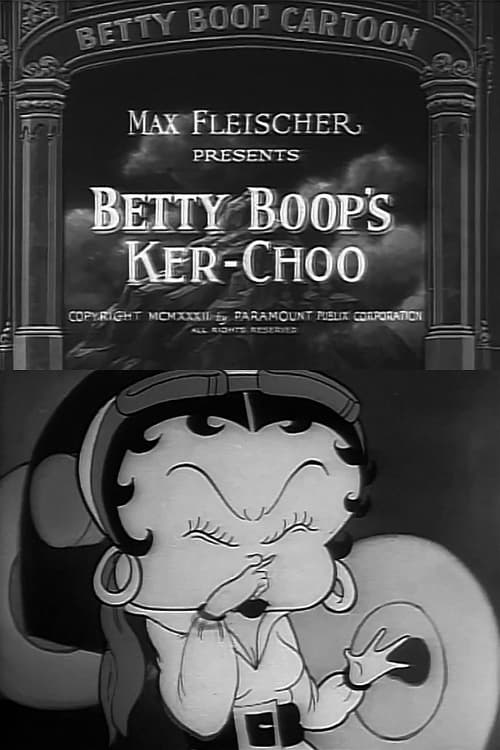
1933
1939
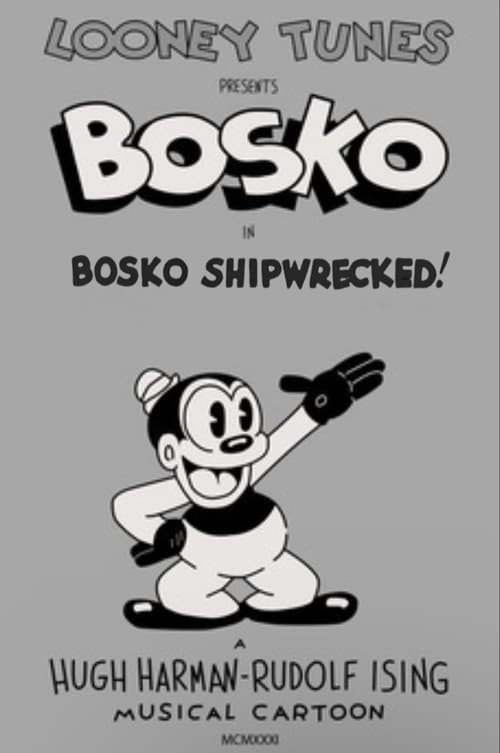
1931
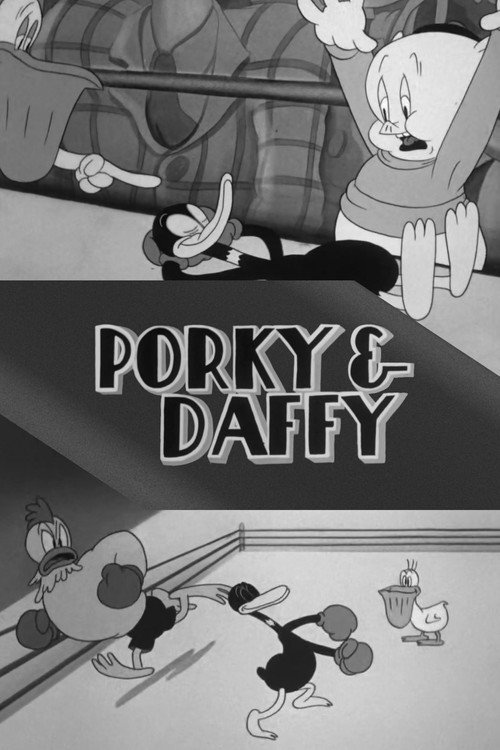
1938
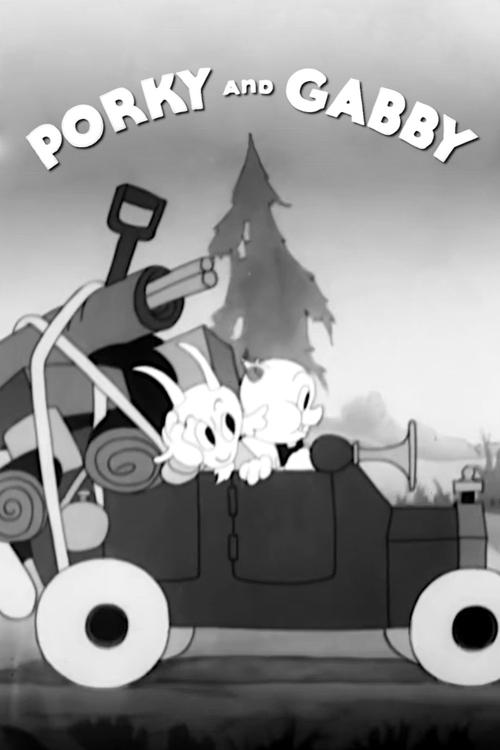
1937
No reviews yet. Be the first to share your thoughts on this movie!
Use the rating form above to leave a star rating and optional review.