And the Children Shall Lead
1985
No user ratings available yet
Representation score: 5.1 out of 10
Representation Score
Limited
1961
ApprovedDirector
Philip Leacock
Runtime
73 minutes
Average Rating
No ratings yetNew Showbiz Analysis
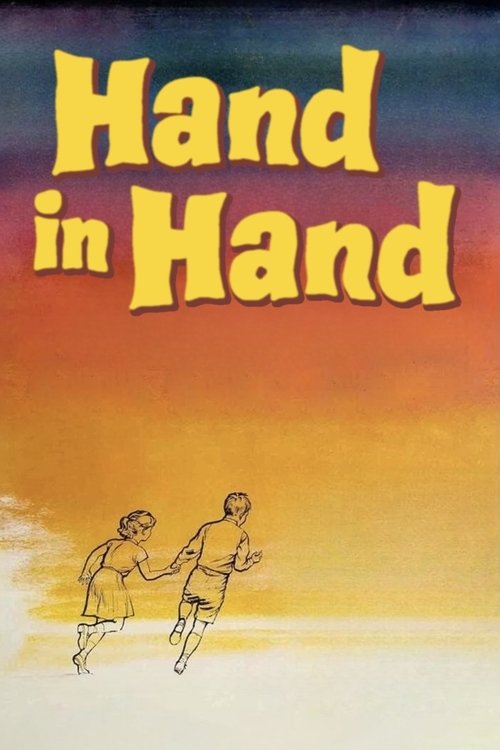
Hand in Hand uses a child-centric perspective to examine the friction between individual connection and communal prejudice. By centering the bond between an Irish Catholic boy and a Jewish girl, the film challenges the notion of a monolithic, tolerant community. The narrative functions as a critique of systemic religious intolerance. It positions the protagonists as agents of social cohesion who must navigate the sectarian divisions imposed by the adults around them. While the film lacks modern multi-layered complexity, it disrupts mid-century family film clichés by highlighting tribalism as a corrosive social force rather than a community strength.
Category Breakdown
The film does not include any LGBTQ+ characters or narratives. It reflects the strictly heterosexual social landscape of the mid-20th century.
Rachel serves as a central protagonist, offering a rare instance of women's ability to drive the story for a period piece. However, the supporting cast largely reinforces traditional 1960s gender roles.
The cast is predominantly white, but the story focuses on the tension between Irish Catholic and Jewish heritages. It explores how ethnic subgroups face exclusion within a community.
The film critiques religious institutions by framing them as sources of intolerance. It prioritizes the emotional truth of the children over rigid communal doctrines.
There is no evidence of characters with visible or invisible disabilities driving the narrative or serving as central figures.
Present on Screen
Limited or Absent
Official Synopsis
Seven-year-olds Michael and Rachel are best friends who do everything together and who have vowed to remain friends "forever and ever and can't be parted for never and never". Unfortunately, the society that Michael and Rachel live in is one of religious intolerance. The fact that Michael is Irish Catholic and Rachel is Jewish is a point of conflict for just about everyone in the community.
1985
2003

1992
1997
1975
1995
2008
2002
No reviews yet. Be the first to share your thoughts on this movie!
Use the rating form above to leave a star rating and optional review.