
Blackbird
1988
No user ratings available yet
Representation score: 7.5 out of 10
Representation Score
Fair
2008
Director
Giedrė Beinoriūtė
Runtime
46 minutes
Average Rating
No ratings yetNew Showbiz Analysis
The film serves as a nuanced character study that disrupts conventional expectations of domestic stability. It avoids reinforcing the sanctity of the traditional family, focusing instead on the fragmentation of parental roles. By centering on the emotional landscapes of children navigating divorce, the narrative finds strength in its departure from idealized social structures. While the film offers a sophisticated look at systemic instability and unconventional communication, it lacks explicit representation of LGBTQ+ identities or diverse racial demographics due to its specific period setting.
Category Breakdown
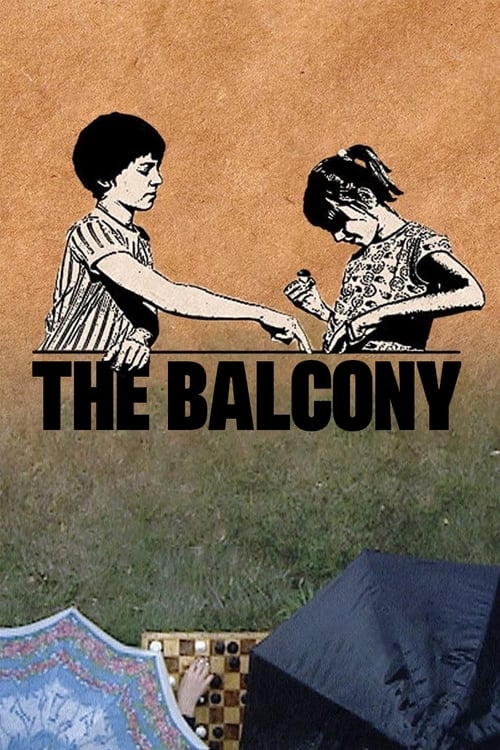
The film focuses on a childhood friendship between a boy and a girl. It does not depict any explicit LGBTQ+ identities or non-straight relationships.
The narrative challenges traditional family structures by emphasizing the ability to act of children over adult authority and hierarchical roles.
Set in a Soviet-era context, the film reflects the ethnic homogeneity of its time and place. It presents a localized cultural moment without evidence of intentional whitewashing.
The Soviet eighties setting provides a backdrop where traditional Western or religious ideals are not the primary moral compass. It explores unconventional methods of human connection.
An accident prevents a character from using the balcony, but it is unclear if this results in a permanent disability. The portrayal remains inconclusive.
Present on Screen
Limited or Absent
Official Synopsis
Soviet eighties. A little town in the periphery. After his parents' divorce, 11-year-old Rolanas and his dad move in next door to same-aged Emilija. Friendship is born between the kids, however, shyness or fear of opening up makes them communicate through the wall, sitting in their own balconies, or through a socket connecting their flats. Emilija's parents also appear to be on the verge of divorce. The children discover common topics, activities. Unfortunately, a nearly tragic accident prevents Emilija to go to the balcony. This encourages both children to set out for a "real" date.
1988
1961
2004

1980
1985
1999
1958
2011
No reviews yet. Be the first to share your thoughts on this movie!
Use the rating form above to leave a star rating and optional review.