
Les années sandwiches
1988
No user ratings available yet
Representation score: 5.9 out of 10
Representation Score
Limited
2003
RDirector
François Dupeyron
Runtime
91 minutes
Average Rating
No ratings yetNew Showbiz Analysis
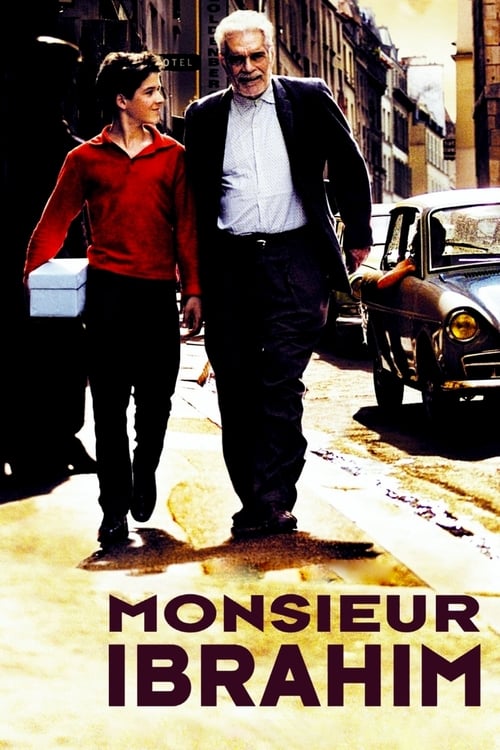
Monsieur Ibrahim is a humanist drama that excels in its exploration of intercultural empathy. By highlighting a relationship between a Jewish teenager and a Muslim grocer, the film challenges the expected homogeneity of 1960s France. This focus provides substantial depth to characters from religious minority backgrounds. While the film shines in depicting racial and religious diversity, it remains tied to traditional gender roles. Women are often confined to domestic and religious roles, which limits the film's progressive impact in this area. Nonetheless, the protagonist's journey offers a powerful critique of rigid institutional norms. In essence, the film's strength lies in its ability to use diverse ethnic and religious backgrounds to foster a meaningful dialogue about personal discovery and human connection.
Category Breakdown
The film does not include any LGBTQ+ characters or non-straight relationships. The story focuses solely on the friendship between two men, emphasizing a platonic bond.
Women in the film are primarily portrayed in domestic and religious roles, reflecting traditional gender norms of the 1960s. However, the protagonist Momo demonstrates emotional independence and intellectual engagement.
The film stands out by focusing on a friendship between a Jewish teenager and a Muslim grocer, showcasing diverse identities in a Western context. This portrayal avoids stereotypes and highlights the complexity of these identities.
The movie delves into moral relativism as Momo transitions from a strict religious upbringing to a broader worldview. It questions traditional religious structures, suggesting they can be limiting.
The film does not feature any significant representations of visible or invisible disabilities central to the narrative.
Present on Screen
Limited or Absent
Official Synopsis
Paris, 1960s. Momo, a resolute and independent Jewish teenager who lives with his father, a sullen and depressed man, in a working-class neighborhood, develops a close friendship with Monsieur Ibrahim, an elderly Muslim who owns a small grocery store.
1988

1983

1981
1974

1995

2005

1967

2007
No reviews yet. Be the first to share your thoughts on this movie!
Use the rating form above to leave a star rating and optional review.