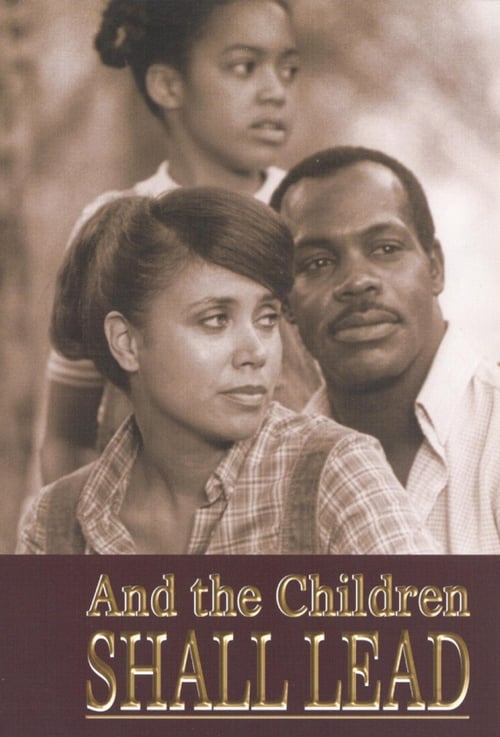
And the Children Shall Lead
1985
No user ratings available yet
Representation score: 5.1 out of 10
Representation Score
Good
1975
GDirector
Ashley Lazarus
Runtime
85 minutes
Average Rating
No ratings yetNew Showbiz Analysis
Ashley Lazarus creates a progressive work of social realism that challenges 1970s cinematic conventions. By focusing on the lived experiences of young people from diverse backgrounds, the film prioritizes identity formation over traditional plot progression. The film's strength lies in its intentional subversion of social norms. It successfully integrates various aspects of identity and systemic critiques into a cohesive, realistic narrative structure. While the film excels in portraying diverse urban subcultures, its focus remains heavily centered on class-based solidarity. This specific lens occasionally limits the breadth of its cultural exploration.
Category Breakdown
The film incorporates queer subcultures into its main storyline rather than treating them as side stories. It explores various gender expressions and same-sex relationships to challenge the era's assumptions about straight and cisgender relationships.
Female characters play significant roles in driving the story, moving away from traditional submissive roles. The narrative shows women actively participating in their own social and sexual explorations, challenging traditional patriarchal norms.
A diverse cast includes Black and South Asian characters as integral parts of the urban social fabric. This avoids including someone from a minority group without giving them real depth by presenting these groups as essential components of the city's social structure.
The narrative uses a postmodern perspective to critique capitalist structures and Western institutions. It presents unconventional lifestyles through moral relativism, rejecting traditional social cohesion and parental authority.
There is insufficient evidence to provide a definitive score regarding the depiction of physical or neurodivergent disabilities.
Present on Screen
Limited or Absent
Official Synopsis
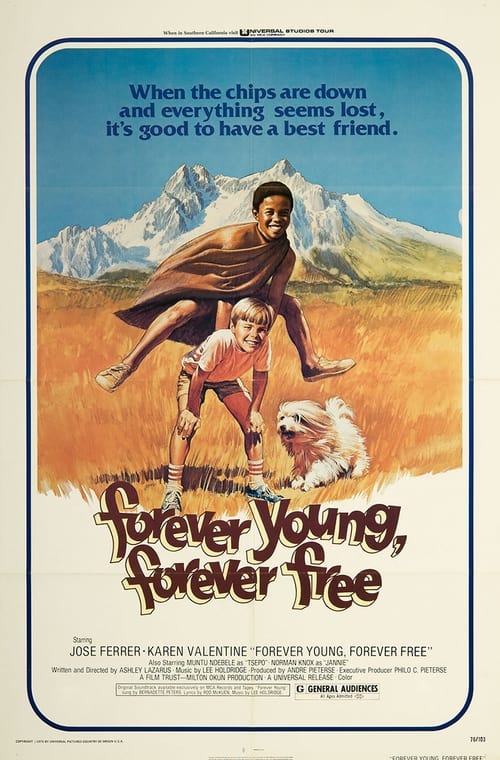
A poignant tale of friendship and resilience between two South African children, Tsepo and Jannie, set against the contrasting backdrops of rural Africa and 1970s New York City. Their bond faces trials as they navigate the challenges of injury and the quest for healing.
1985

1937
1995

1995
2002
1965
1982

2005
No reviews yet. Be the first to share your thoughts on this movie!
Use the rating form above to leave a star rating and optional review.