
Perfect Harmony
1991
No user ratings available yet
Representation score: 5.4 out of 10
Representation Score
Fair
1985
TV-GDirector
Michael Pressman
Runtime
58 minutes
Average Rating
No ratings yetNew Showbiz Analysis
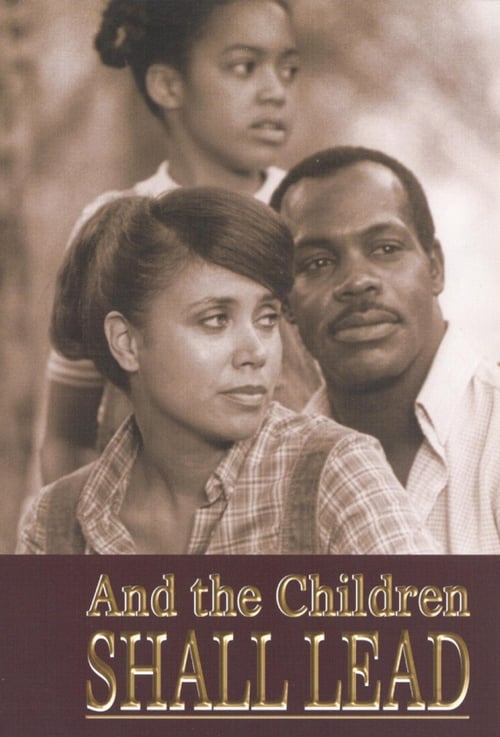
And the Children Shall Lead is a period drama that centers on the roles of youth and people of color. By framing the Civil Rights era through the eyes of children, the film disrupts traditional power hierarchies and prioritizes underrepresented perspectives. The film excels in its depiction of racial dynamics, moving beyond including someone from a minority group without giving them real depth to show integrated youth activism. However, the narrative is narrow in its scope of identity, lacking representation for LGBTQ+ individuals and characters with disabilities.
Category Breakdown
The film does not include any visible LGBTQ+ characters or narratives. The story focuses on racial and generational dynamics rather than sexual orientation or gender identity.
A 12-year-old female protagonist drives the plot and acts as a catalyst for social change. This positioning challenges traditional male-centric leadership and patriarchal structures of the 1960s.
The narrative centers an African-American girl within a multi-ethnic group of children. It explores complex racial tensions and provides characters of color with significant roles.
The film critiques traditional institutions and authority figures as obstacles to progress. It uses civil disobedience to challenge the perceived infallibility of established social orders.
There is no documented evidence regarding the inclusion or portrayal of characters with physical or neurodivergent disabilities.
Present on Screen
Limited or Absent
Official Synopsis
Mississippi in the early '60s is the setting for this story of a 12-year-old African-American girl who, along with her white friends, tries to ease increasing racial tensions.
1991

1965

1998
1990
1961

2022
1975

2019
No reviews yet. Be the first to share your thoughts on this movie!
Use the rating form above to leave a star rating and optional review.