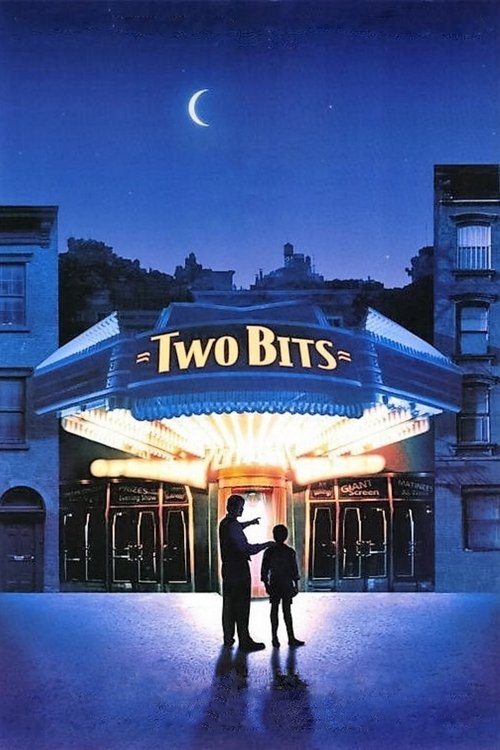
Two Bits
1995
No user ratings available yet
Representation score: 5.7 out of 10
Representation Score
Fair
2002
PGDirector
Alexander Johnston
Runtime
93 minutes
Average Rating
No ratings yetNew Showbiz Analysis
The film centers on socio-economic disparity through a character-driven narrative. It explores class divides and the challenges faced by single-parent families in a mid-century setting. However, the narrative lacks explicit markers of diversity such as LGBTQ+ representation and racial diversity. Its focus on traditional moral frameworks and sentimentalism limits its progressive impact.
Category Breakdown
The film set in the 1950s focuses on childhood friendships and family dynamics. Queer identities or non-straight relationships are not explicitly shown.
A single mother raising a child in poverty breaks away from typical 1950s homemaking roles. The story emphasizes the emotional labor and protective role of the young male protagonist.
Social tensions arise mainly from economic disparities rather than racial differences. There is no indication of a racially diverse cast.
The film critiques socio-economic hierarchies through a period setting. However, the quest for a Christmas gift leans toward traditional sentimentality rather than challenging cultural norms.
Sandy, a key character, is portrayed as ill, making health issues a central emotional theme. Her condition drives much of the narrative’s central conflict.
Present on Screen
Limited or Absent
Official Synopsis
The story of two small town boys from different sides of the tracks: 1950's childhood and self-redemption. Young "Whitey" Black (so called because of a tuft of blanched hair on the left side of his head) lives in poverty with his single mother and ailing, four-year old sister, Sandy. Just across town, young Jerry Barlow lives the advantages of a middle class lifestyle with both parents and his younger brother. When mischief casts Whitey and Jerry into a shared paper route, Jerry quickly learns of Whitey's desire to buy his sister an angel doll for Christmas. Even though no such dolls exist in their hometown, Whitey, Jerry and a host of colorful characters set out in search of Sandy's gift. Along the way, reversals of fortune, theft, prejudice and, ultimately, the boy's friendship opens their eyes to the vastness of the small town around them.
1995
1937

2013

1997
1975
1985
1982

1988
No reviews yet. Be the first to share your thoughts on this movie!
Use the rating form above to leave a star rating and optional review.